

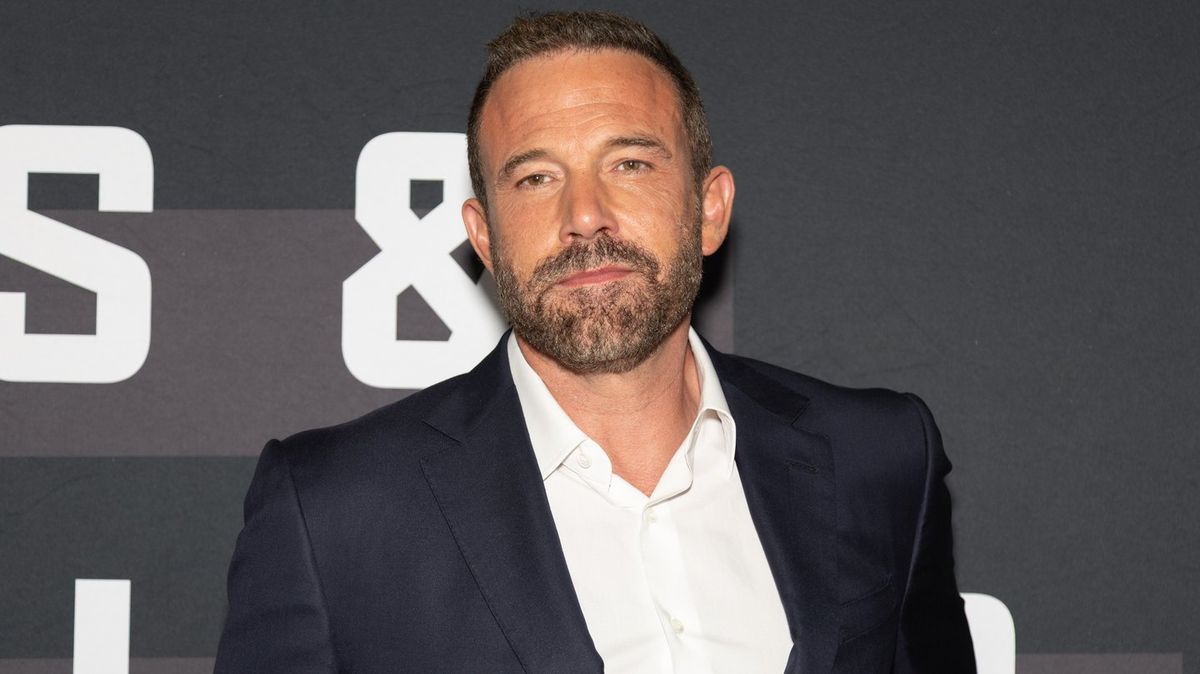
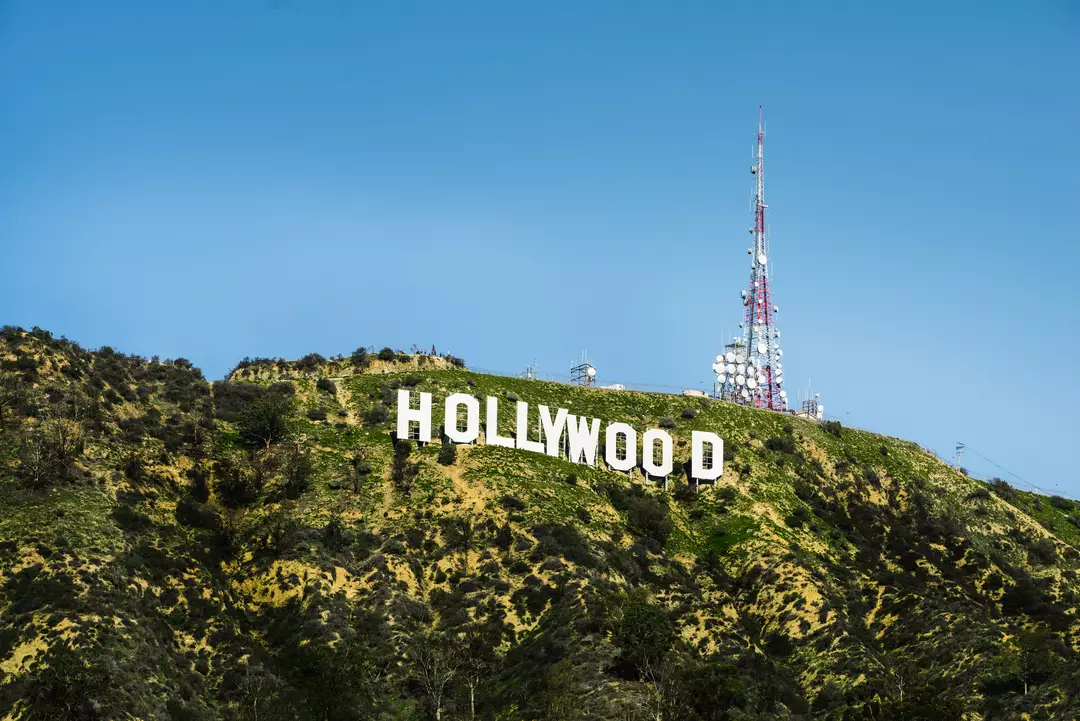
Ben Affleck says there’s some ‘truth’ to claims that Hollywood is “dead”, even as he continues to line up new work in the industry.
For decades, Hollywood has been viewed as the center of filmmaking — a place associated with huge budgets, big stars, and the promise of success. But Affleck has suggested that the traditional model is under real pressure, particularly when it comes to the rising cost of making movies.
More than 40 years after his first acting credit, the 53-year-old discussed the topic while appearing on the All the Smoke podcast. Hosts Matt Barnes and Stephen Jackson asked him: “What do you say to the people that say ‘Hollywood is dead, it’s too expensive to make movies’.”
While blockbusters can still generate enormous revenue, Affleck agreed that the economics behind getting projects made have become a serious obstacle — especially for smaller productions and filmmakers trying to break in.
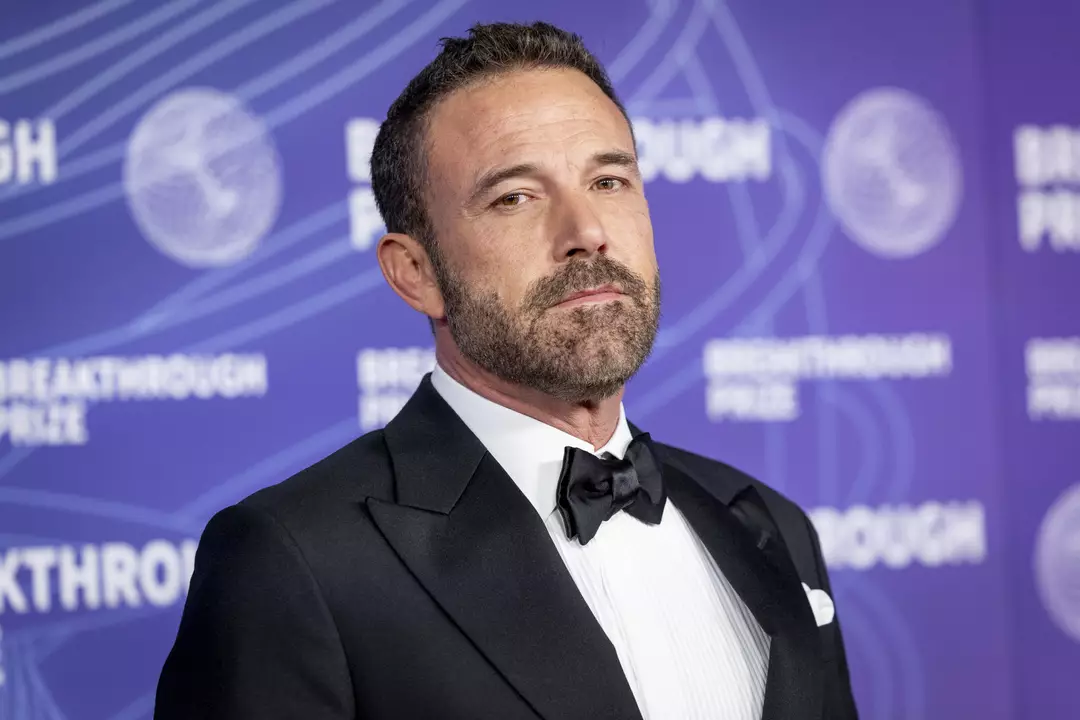
Reflecting on his early years, Affleck explained: “Where I started in this business was… A bunch of very low budget like $250,000 movie or you know, a million dollar movie, which to me that seemed like a lot of money. You got to go get a million dollars from somebody, and it shouldn’t be that the barrier to entry is so high.
“I think there should be…like kind of tiers where you can come in and do something that’s, you know, not trying to be a very big commercial movie, trying to take some risk, trying to do some interesting stuff that still can use professional people. I would love for that to be possible.”
He pointed out that plenty of people still want to work in film and TV, but said the costs of producing in California can be higher than in other places that lure productions with tax incentives, rebates, and breaks.
Affleck also weighed in on what it takes to get a film to the point where it can realistically play in theaters, suggesting that even reaching the starting line can require major spending. He estimated it can take around $25 million — before additional costs stack up.
As he explained, budgets can balloon fast depending on the kind of film being made.
He continued: “It really varies, but like people will tell you now it’s very very difficult to make a movie for less than $25 million,” he said. “And it can go up very quickly as soon as you got a big stunt unit or big action stuff or visual effects.”
That’s only part of the financial challenge, because marketing can add a similar amount again — meaning a movie can quickly represent a $50 million commitment.
Affleck then broke down the box office math, noting that theaters often keep about half of ticket sales, leaving studios with roughly 50 percent of the gross. In other words, even a film that looks successful on paper may only be halfway to breaking even on a large budget once the split is applied.
“You got a $25 million movie, you got to gross $100 million just in simple math,” Affleck said.
Despite the concerns, interest in filmmaking clearly hasn’t disappeared. Affleck himself remains busy, with IMDb listing him as a producer on nine upcoming projects, alongside a couple of acting roles in the pipeline.
Still, his comments underline a broader issue: as costs rise, the financial risks grow — and that can make it harder for all but the biggest projects to get made.