

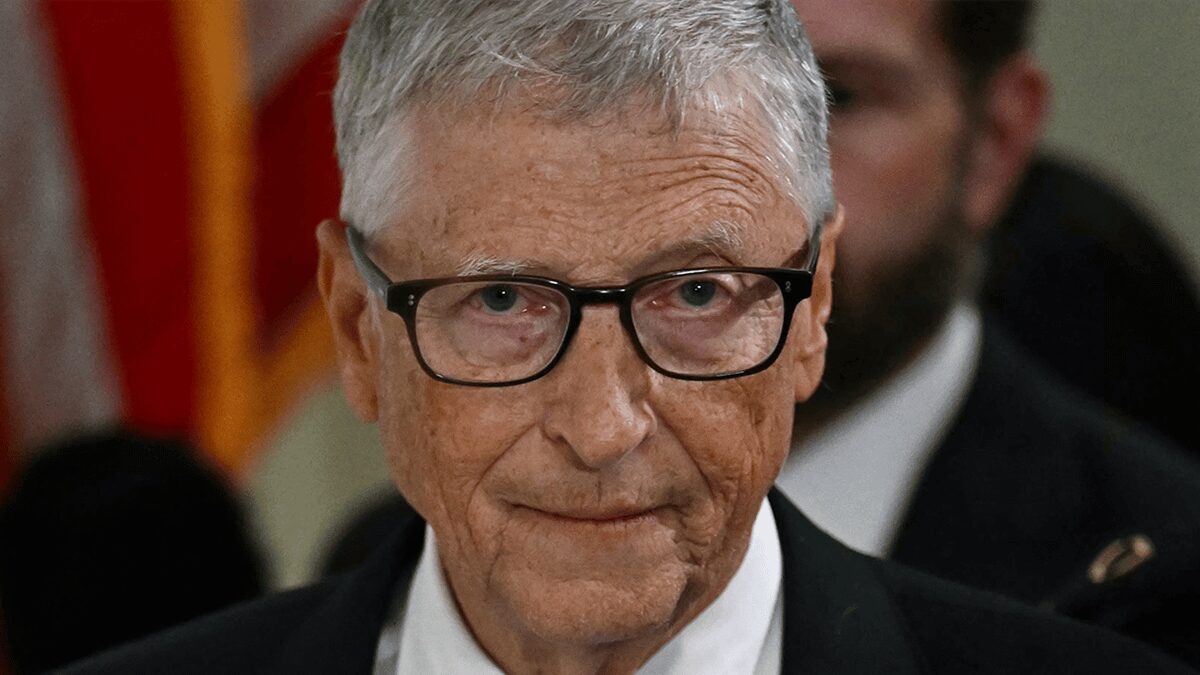
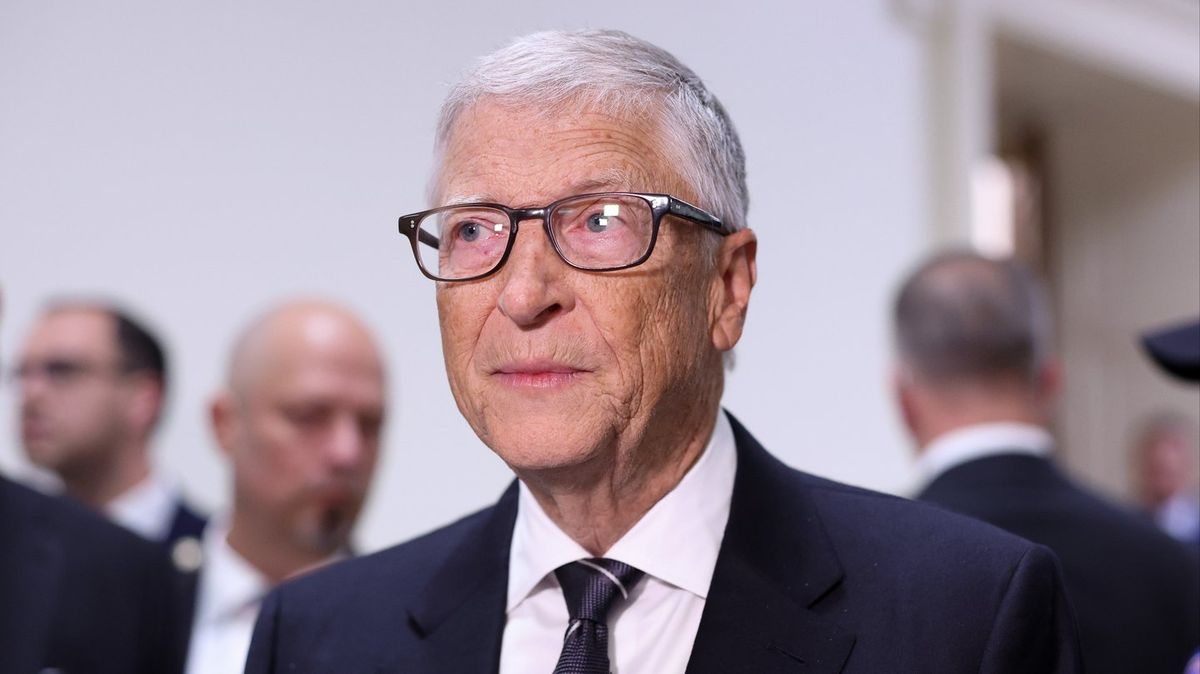
Bill Gates has made a stark prediction about the future of work in an age of artificial intelligence: only four professions will remain safe from automation. Speaking to the Economic Times earlier in 2026, the Microsoft co-founder identified coders, biologists, energy workers, and professional athletes as the careers most likely to survive the AI takeover as machines become capable of handling the vast majority of human tasks.
Gates expanded on his reasoning during an appearance on The Tonight Show with Jimmy Fallon, where he explained why he believes AI will fundamentally reshape the workforce. According to Gates, coders will remain essential because they serve as the architects and overseers of AI systems themselves, fixing errors and refining the very technology driving automation. Biologists, he argued, will continue to play a crucial role because scientific breakthroughs require human intuition and original thinking that machines cannot yet replicate. Energy workers will be needed to manage crisis situations and make complex decisions in an industry that is inherently unpredictable and highly volatile.
When Fallon asked Gates about the future of professional athletes, the tech pioneer offered a simple explanation: “You know, like baseball. We won’t want to watch computers play baseball.” It was a lighter moment in an otherwise sobering conversation about mass unemployment and societal transformation.
But Gates’ most unsettling comments came when Fallon directly asked whether humans would still be needed in an AI-dominated world. Gates replied plainly, “Not for most things—we’ll decide.” He did clarify that humans would likely retain some roles, particularly in entertainment and sports, and he acknowledged that people might work significantly fewer hours. “So there’ll be some things that we reserve for ourselves, but in terms of making things and moving things, and growing food, over time, those will be basically solved problems,” he said.
This prediction arrives at a moment when AI is already having profound effects on the global labor market. In the United Kingdom, research from investment bank Morgan Stanley found that companies adopting AI experienced an 8 percent net job loss over the past year, the highest among major economies including Germany, Japan, Australia, and the United States. This represents double the international average. Yet the research also showed that British companies achieved an average 11.5 percent productivity gain from AI adoption, suggesting efficiency improvements are coming at the cost of employment.
Gates has been vocal about AI’s potential to disrupt specific professions. He told Fallon that within the next decade, roles like doctors and teachers—currently considered rare expertise—will become commonplace as AI systems achieve “great medical advice” and “great tutoring.” He described AI as ushering in an era of “free intelligence,” where access to top-tier knowledge and services becomes universally available and inexpensive.
In 2025, Microsoft released a study listing 40 jobs considered most at risk from AI disruption, based on how closely their tasks align with current AI capabilities. The research identified customer service representatives, writers, journalists, editors, translators, and web developers as particularly vulnerable. Microsoft senior researcher Kiran Tomlinson clarified that the study was not predicting job replacement, but rather exploring how AI chatbots could be productively integrated into different occupations. Still, the distinction did little to ease widespread anxiety about automation replacing human workers.
The prediction has not gone unchallenged. Meta CEO Mark Zuckerberg pushed back against Gates’ grim outlook, arguing that the future depends on how companies choose to develop AI. Rather than viewing automation as inevitable, Zuckerberg suggested that businesses should focus on what he called “personal super intelligence,” designed to make individual workers more productive rather than replace them entirely. In a recent essay, Zuckerberg argued that AI distributed broadly could actually create new jobs and opportunities, pointing to how previous technological shifts—like the rise of personal computers—generated entirely new categories of employment that didn’t previously exist.
Zuckerberg pointed to jobs like app developers, social media creators, and data center operators as examples of positions that barely existed a generation ago. He predicted that new careers will emerge in areas like personal biology, virtual world design, and AI supervision that don’t yet exist.
Gates’ broader perspective on AI suggests he views it not merely as a tool but as a transformative force that will fundamentally alter how society functions. His comments reflect growing concern among technologists about the pace of AI advancement and the adequacy of current societal preparation for widespread automation. Whether the four professions he identified will actually remain immune to further automation, or whether Zuckerberg’s more optimistic vision of AI-driven economic growth will prove correct, remains an open question that will likely define the coming decades.