

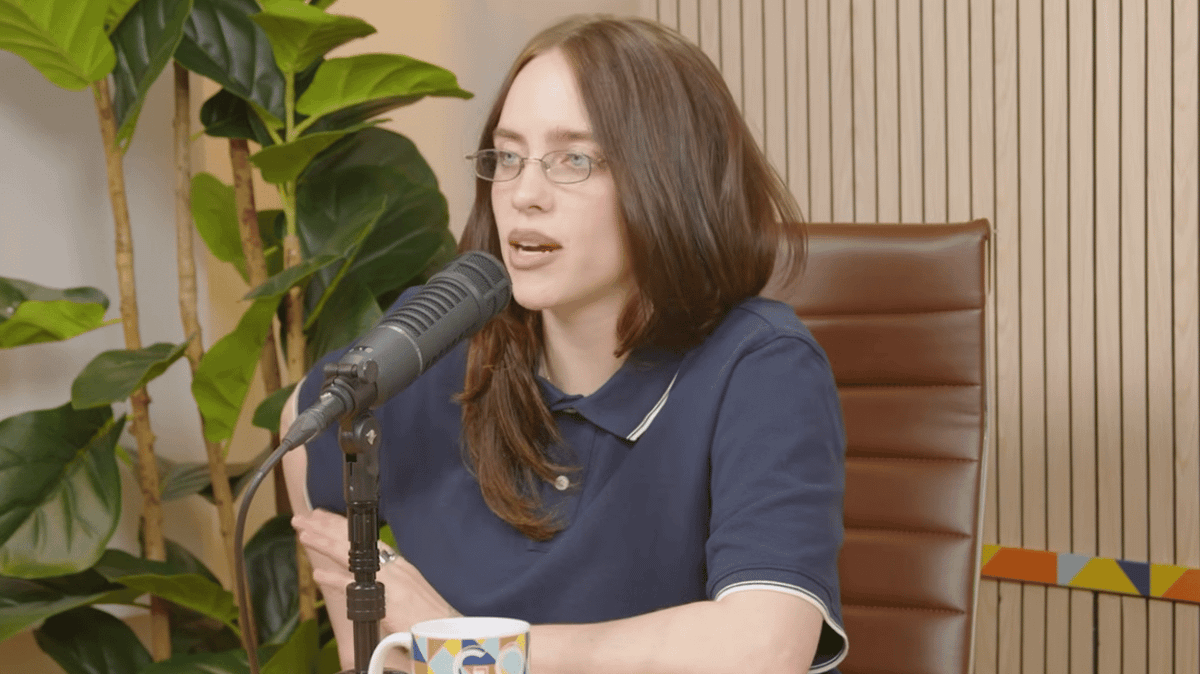
Billie Eilish has opened up about a media-training session that left her overwhelmed and in tears.
The singer first became a breakout name thanks to her track ‘ocean eyes’, written and produced by her brother, Finneas O’Connell.
Eilish was only 13 when the song landed on SoundCloud, and it didn’t take long before she was drawing attention from listeners across the world.
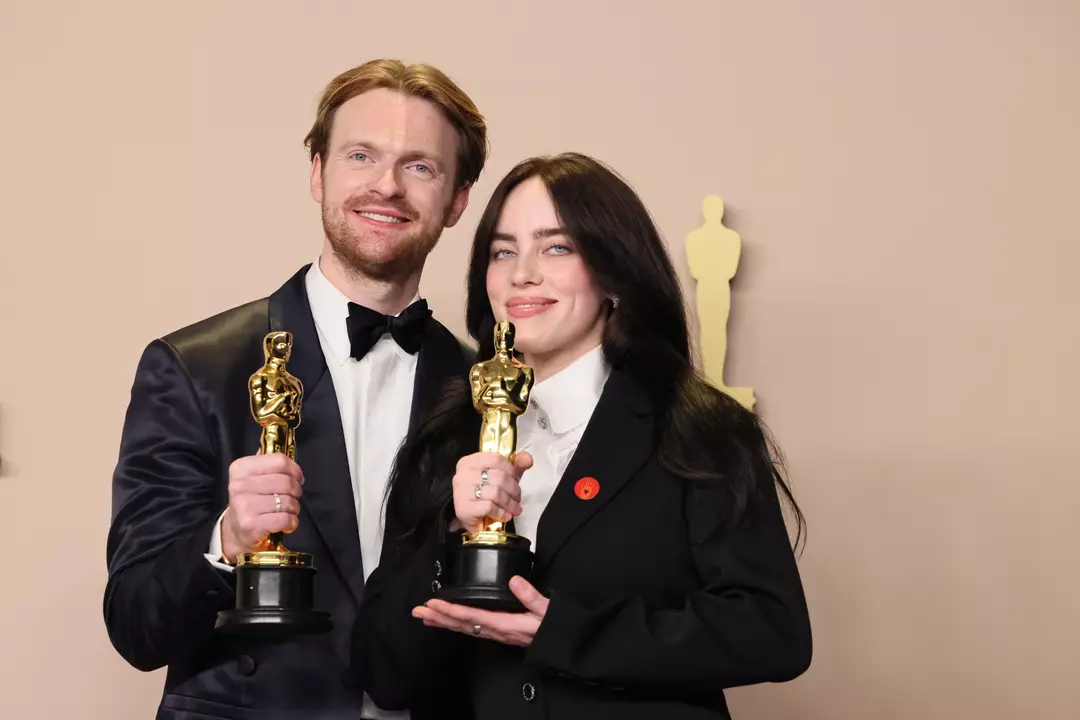
Since then, she’s released three studio albums along with numerous singles, and her trophy cabinet has filled up quickly — with several records along the way. One standout milestone saw her become the youngest person to win an Oscar for Best Original Song. In 2022, aged 20, she took home the award for ‘No Time To Die’, created for the James Bond film of the same name.
With so much achieved at such a young age, Amy Poehler asked Eilish about what it was like growing up in the public eye during an appearance on her podcast.
“What’s really wild about you being like ‘when I was 17 I thought I was the person I was’ is that we knew you at 17,” said the Inside Out actress on her podcast.
Poehler expanded on the point, noting: “Not only were you figuring yourself out but we were watching you figure it out. And, I’m saying the obvious, but we all go through versions of ourselves privately. You had to go through versions of yourself publicly.”
The conversation then shifted to how Eilish coped once interviews and press commitments became part of her day-to-day life.
“When I started doing interviews I was just very, very honest,” said the ‘bad guy’ hitmaker. “I did PR training when I was 14 and I sobbed through it. I hated it so much. It was literally the scariest sh*t of all time.”
Asked what made it feel so intense, Eilish explained that the trainer would run mock interview situations — but would interrupt her responses partway through, cutting her off as she spoke.
Despite how uncomfortable the process was, the singer said it did serve a purpose in the long run. “It was important for me to learn and I’m glad I learned it,” she added, likening it to learning how to drive — you’re shown the correct, safest way to do things, even if real life sometimes means adapting and, as she put it, bending the rules a little.
It’s a relatable comparison, especially for anyone whose driving habits don’t always match what they were taught in the first lesson.