

The possibility of regrowing human arms and legs has long sounded like pure science fiction, but researchers now think an unusual “never-aging” animal may offer crucial clues to turning that idea into something real.
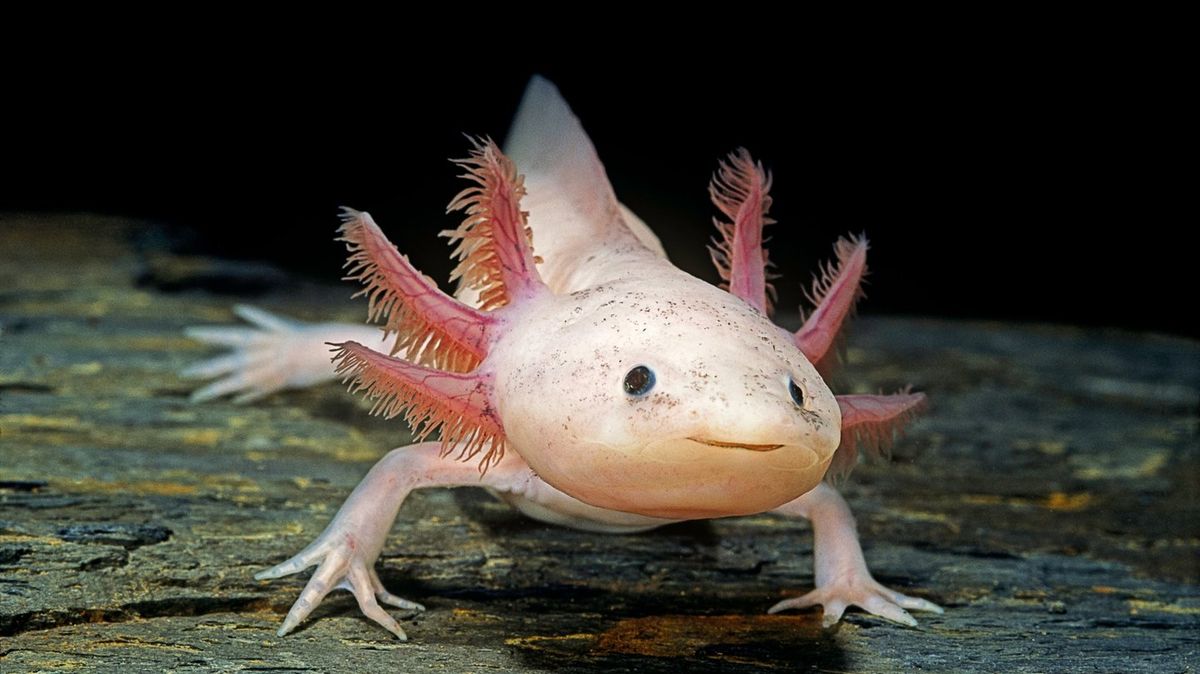
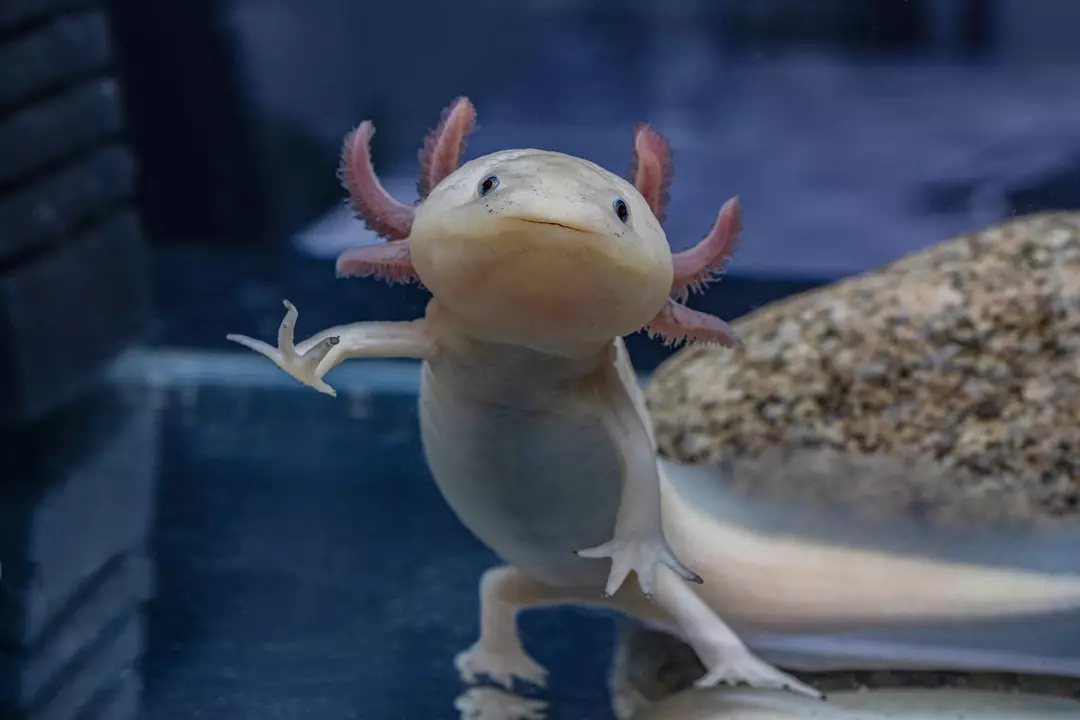
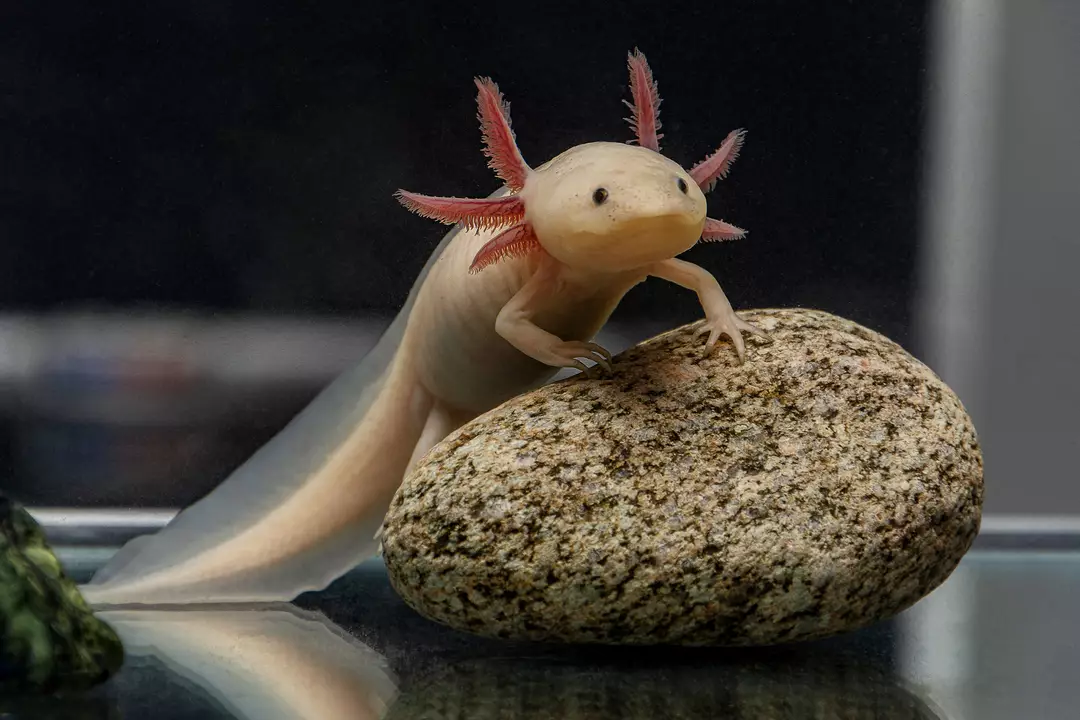
The axolotl is a small amphibian native to Mexico, and it has captivated scientists for decades because it retains juvenile features throughout its life—essentially remaining in a tadpole-like stage rather than fully “growing up.”
But what most interests researchers is not its odd form of perpetual youth. It’s the axolotl’s remarkable capacity to regenerate: after everyday injuries or predator attacks, it can rebuild entire limbs and even restore parts of vital organs.
In a continuing line of research, axolotls are being examined alongside mice and zebrafish—species selected because each displays some level of regeneration, though to very different degrees.
Zebrafish can repeatedly regrow tail fins and regenerate multiple internal tissues. Mice, by contrast, have a narrower ability to regrow only the very tips of digits, a limited trait humans can also share when the nail bed remains undamaged.
A study published in the Proceedings of the National Academy of Sciences described a shared genetic pathway that appears to help enable regeneration across these animals—an insight that could eventually inform strategies aimed at human limb regrowth.
“This significant research brought together three labs, working across three organisms to compare regeneration,” Josh Currie, assistant professor of biology at Wake Forest University, said.
“It showed us that there are universal, unifying genetic programs that are driving regeneration in very different types of organisms, salamanders, zebrafish, and mice.”
Globally, more than a million people undergo amputations each year, and that number continues to rise as more patients lose limbs due to conditions such as diabetes, cancer, severe injury, and infection.
Amputation is typically considered only when no other option remains, yet it can still bring a profound and permanent change—requiring people to adapt to life without a hand, arm, foot, or leg.
While prosthetics have improved dramatically in recent years in terms of comfort, fit, and performance, scientists are still searching for approaches that could better restore—or even preserve—the intricate sensory and motor capabilities of a biological limb.
The researchers believe their findings could ultimately help address this challenge by pointing toward ways humans might be able to trigger limb regeneration more like these animals do.
That confidence is tied to their work on so-called SP genes, which the team found were necessary for proper regeneration across all three species examined.
When skin regeneration began, two particular genes—SP6 and SP8—were switched on in each species, prompting a closer look at what these genes do and how they guide the regrowth process.
With gene-editing tools, the scientists removed SP8 in axolotls and observed that the animals could no longer correctly rebuild limb bones. Related problems showed up in mice when SP6 and SP8 were absent as well.
Building on those results, the group then created an experimental gene-therapy approach using a regeneration “enhancer” identified in zebrafish.
That therapy delivered a molecule called FGF8, which helped drive bone regrowth in mice and partially made up for the missing genes.
Humans do not naturally regenerate limbs this way, but researchers hope that, through extensive future work, it may be possible to reproduce at least some elements of these regenerative programs in people.
“Scientists are pursuing many solutions for replacing limbs, including bioengineered scaffolds and stem cell therapies,”Professor Currie added.
“The gene-therapy approach in this study is a new avenue that can complement and potentially augment what will surely be a multi-disciplinary solution to one day regenerate human limbs.”
“Many times, scientists work in their silos: we’re just working in axolotl, or we’re just working in mouse, or just working in fish,” he explained. “A real standout feature of this research is that we work across all these different organisms. That is really powerful, and it’s something that I hope we’ll see more of in the field.”