

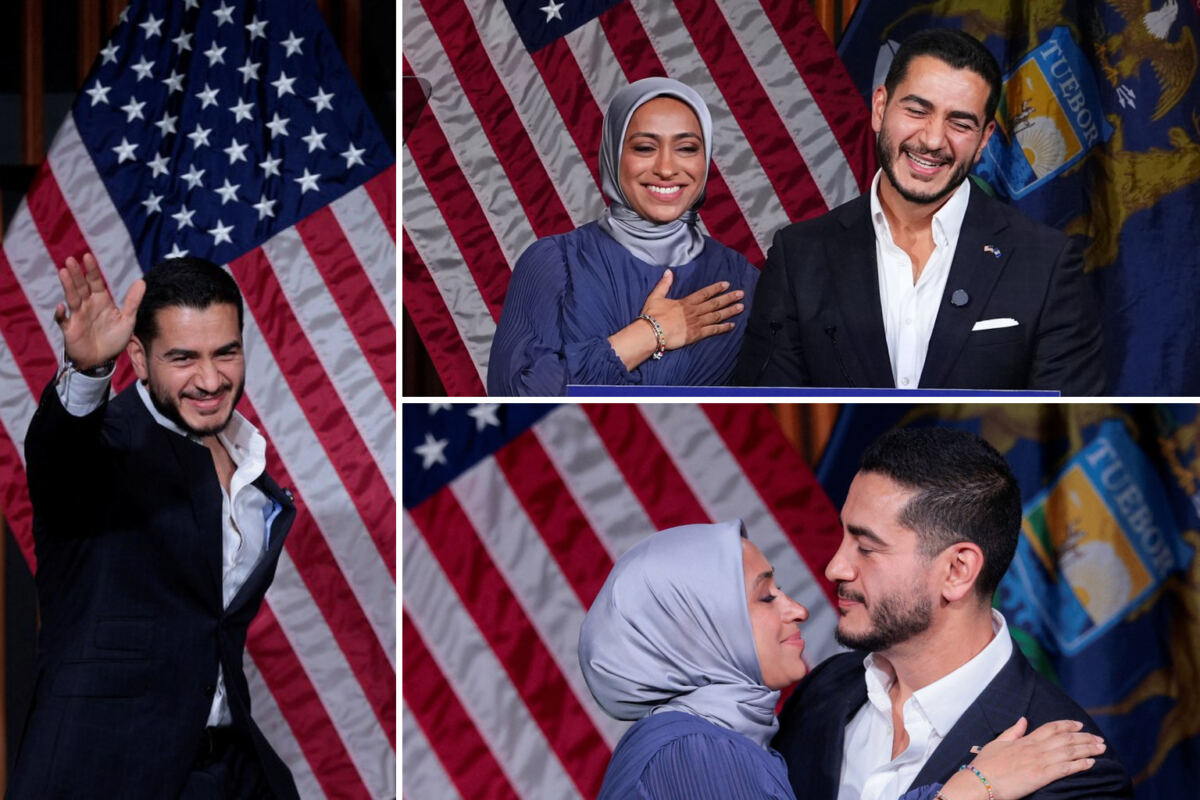
Michigan Sen.-elect Abdul El-Sayed taunted his “perceived enemies” in a victory speech that a body language expert says abandoned healing for gloating.
El-Sayed, who defeated Republican Mike Rogers in a bitterly contested Senate race, will become the first Muslim to serve in the chamber when he takes office in January. Dr. Lillian Glass, a behavioral analyst who has served as an expert witness in federal and state courts, studied his remarks and found an abrupt shift from celebration to confrontation.
“Abdul El-Sayed appeared elated as he celebrated his victory,” Glass told The Post. “He flashed a broad, toothy smile, with squinted eyes and raised cheeks, clasped his hands, and leaned backward while laughing repeatedly. He appeared almost literally taken aback by his win. He rubbed his hands together in a gesture of satisfaction and triumph.”
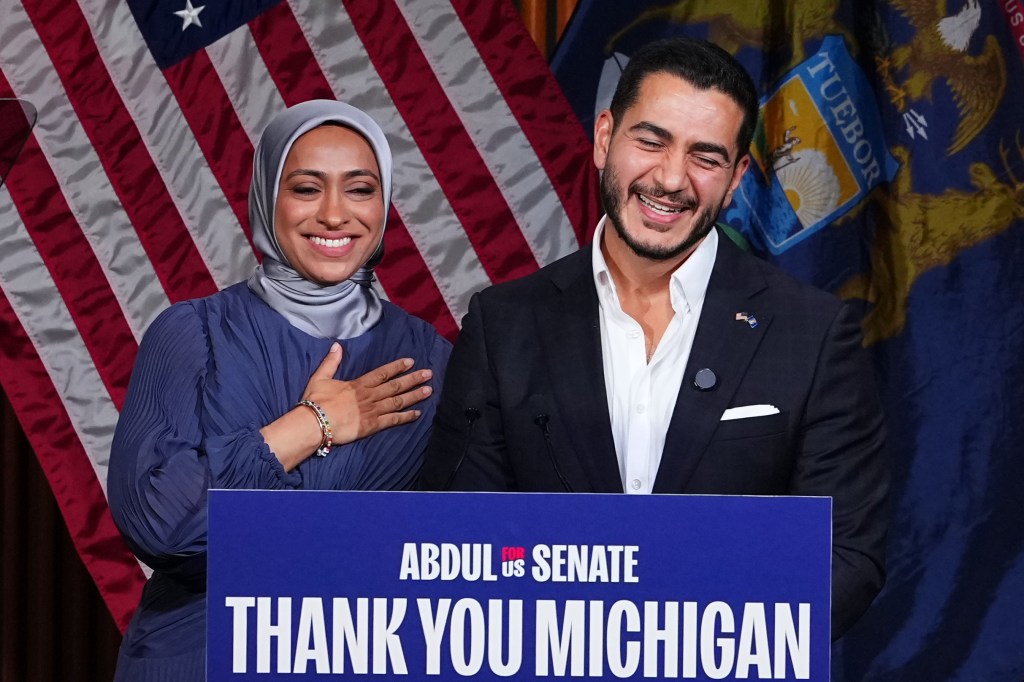
The positive opening gave way to something harder, Glass observed. “By the conclusion, this had become less a speech about healing political divisions than a declaration of victory over perceived enemies.”
El-Sayed needled President Trump for repeatedly invoking his middle name and calling him “Muhammad” during the campaign. His new simpler name, he chided, will be “senator.”
“JD, there is this delicious irony in the fact that you’re constitutionally obligated to swear me in in January,” he added, a pointed reference to Vice President-elect JD Vance’s role in administering the oath of office.
The former public health official also deployed Arabic phrases that had surfaced occasionally on the campaign trail, saying “Inshallah” and “Alhamdulillah” — “God willing” and “Praise be to God.”
El-Sayed acknowledged he is “a little different,” referencing the attacks on his Muslim faith and Egyptian heritage that marked one of the cycle’s most brutal races. Glass noted physical signs of strain when he discussed this hostility.
“As he discussed these attacks, he licked his lips, a gesture consistent with dry mouth and potentially heightened emotional arousal,” the expert wrote. “His facial tension and increasingly forceful delivery suggested anger over what he believed had occurred during the campaign.”
The candidate-turned-senator directly addressed supporters who had questioned his restraint. “Now, as I was campaigning, some of you would come up and ask me. How come you don’t hit back? How come you don’t call them racist or hateful?” he said. “I didn’t run for myself. And in truth, they weren’t targeting me. … They were targeting and attacking you.”
He framed the victory as belonging to voters who endured the same barrage. “To all the parents who struggled to explain why the president openly mocked someone for their name or how they pray, let them know tomorrow that the bad guys lost,” El-Sayed declared.
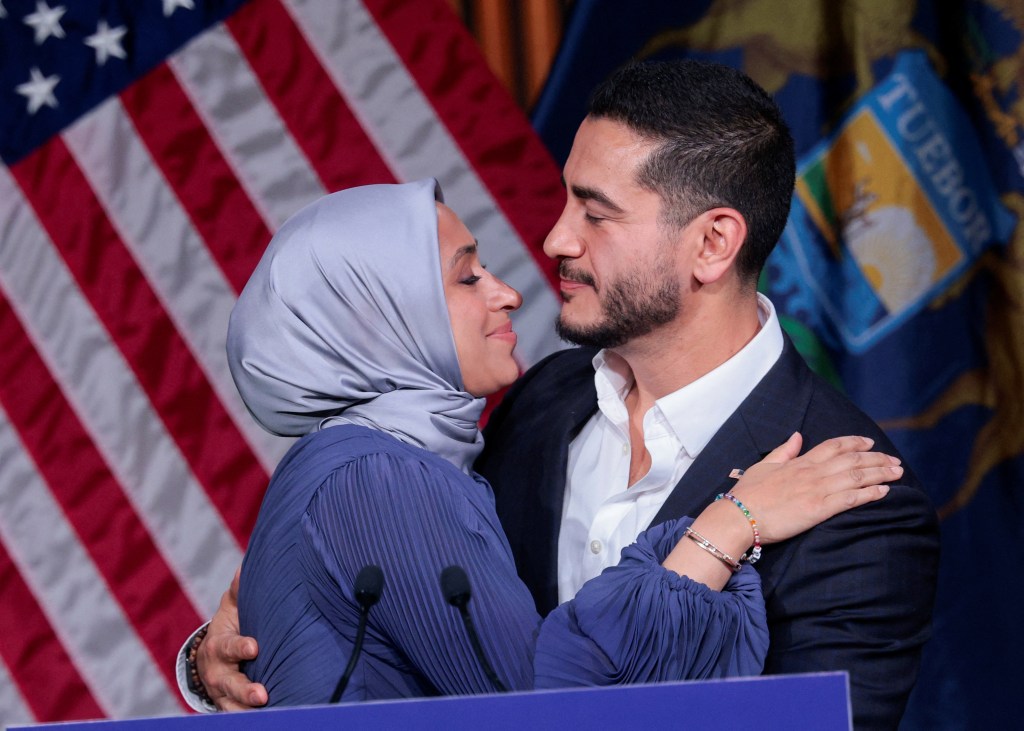
El-Sayed insisted on his own terms of patriotism, pushing back against detractors he accused of trying to “confuse” voters about his loyalties. “I love America,” he stated, contrasting life in the United States with that of Egypt, where some relatives live. He returned to the theme near his conclusion: “I love America enough to ask her to be America for all her kids.”
The Michigan result formed part of a broader Democratic wave that flipped both chambers of Congress and delivered stunning wins in traditionally Republican strongholds including Texas, South Carolina, and Kansas. Democrats are positioned to hold their largest House majority since at least 2008 and a Senate majority exceeding what Republicans currently command.
El-Sayed’s win came after Rogers and allied groups hammered him with messaging centered on his background, a strategy that ultimately failed to prevent a generational wipeout for the GOP.
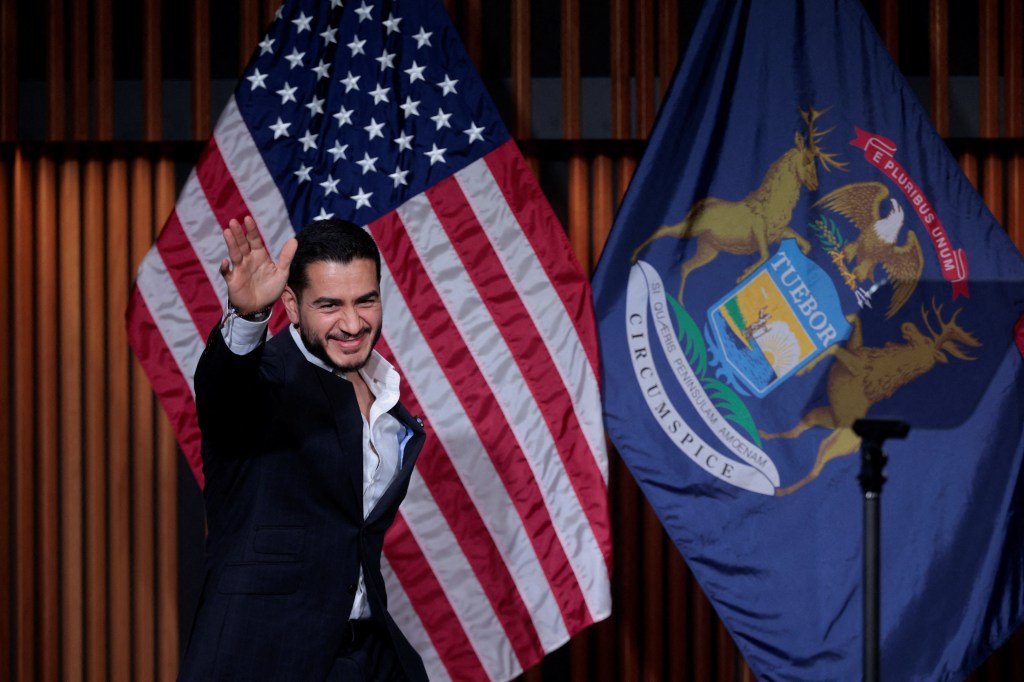
El-Sayed is scheduled to be sworn into the Senate in January alongside other newly elected members in Washington.