

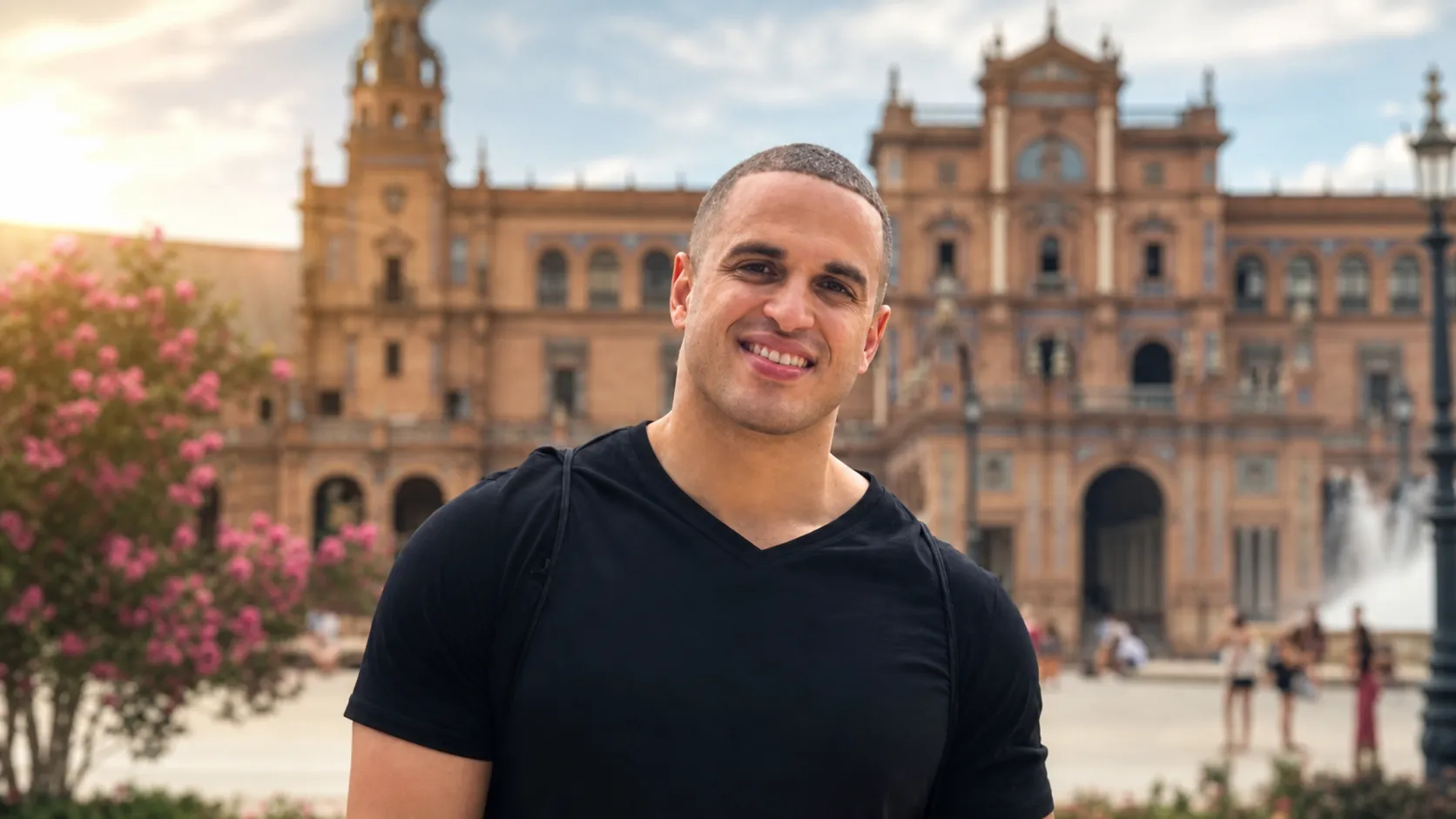
Victor Egonu was still in his early twenties, standing at about 5’7″, when doctors traced his ongoing back and knee pain to an injury from childhood that had left one of his legs shorter than the other.
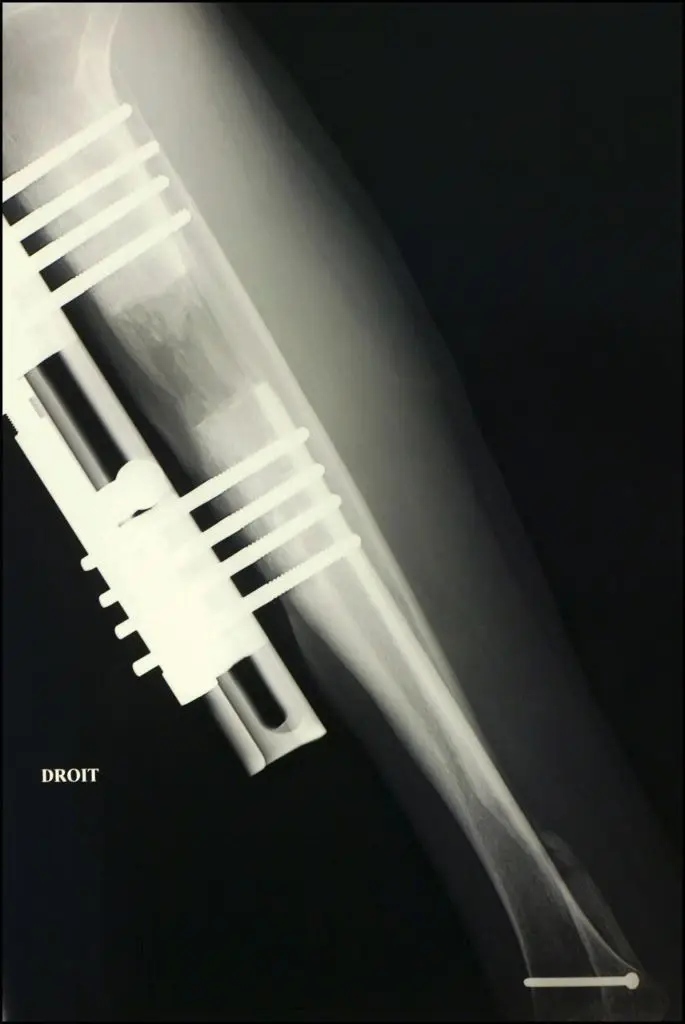
To correct the issue, he was advised to undergo leg-lengthening surgery, a treatment that involves intentionally breaking a bone and gradually extending it with an internal implant.
Leg-lengthening surgery is still a highly specialized procedure, but it is no longer limited to correcting major deformities or limb-length differences. In recent years, more orthopedic centers have adopted internal lengthening nails, which are generally less cumbersome than older external fixator frames that sit outside the leg. Even so, the operation remains a long process that typically requires careful follow-up, physical therapy and months of recovery.
Egonu had the operation in Baltimore with Dr. Janet Conway and later said it ‘changed his life’, helping him continue natural bodybuilding and get back to running.
The procedure also added roughly an inch and a half to his height, which he acknowledged he ‘was also a little self-conscious about’ before the surgery.
But when he began sharing his experience on Instagram, the response grew well beyond anything he had anticipated.
After posting with the hashtag “#leglengthening,” Egonu said people ‘started reaching out asking about my experience: how much it hurt, what the device was like, whether there was a risk of infection’.
According to Egonu, much of that interest centered on height itself rather than on fixing a medical imbalance. Over time, that led him to create Cyborg4Life, a platform and community where he now speaks with patients, surgeons and physical therapists about the operation.

As a child, Egonu had endured multiple serious leg fractures in accidents, including one in which he was hit by a car. Even so, he said deciding as an adult to have his legs broken on purpose felt entirely different.
“You go in perfectly fine, and then you wake up with broken legs and your body goes into shock,” he said.
He recalled that once the anaesthesia wore off, the pain was ‘around 6 to 8 out of 10 once the anaesthesia wore off’, despite the use of narcotics and opioids. He added that roughly 80 to 85 percent of patients experience it with a similar intensity.
Egonu said the difficulty is not limited to pain alone. He described weeks of reduced mobility that can disrupt sleep, employment and everyday routines, along with real medical dangers.
Those risks can include infection, nerve irritation or injury, stiffness, delayed bone healing and blood clots, which is why most surgeons stress strict follow-up and rehabilitation throughout the lengthening process. Recovery often depends as much on the patient’s commitment to physical therapy as on the surgery itself.
He was particularly skeptical of clinics that still rely on older external fixator systems, where metal components remain outside the leg, saying this ‘creates a breeding ground for bacteria and risks bone infection’.
When explaining the feeling to new patients, he uses vivid language: “like hitting your shin on the edge of a glass table, except it doesn’t go away; it stays and throbs.” He said the overall burden of surgery is ‘both physical and mental’, an idea that later became central to the way he advises others.
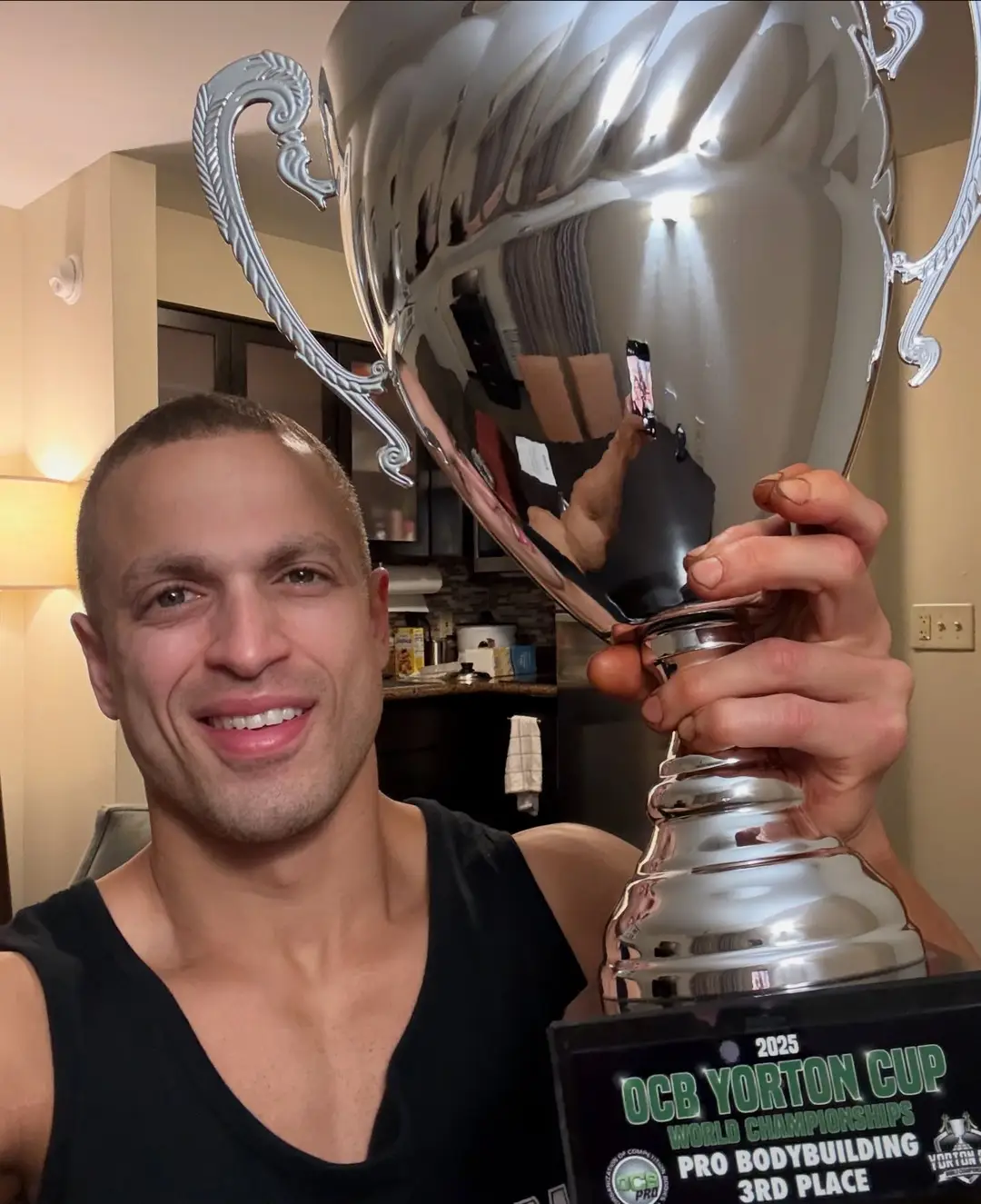
He said the psychology behind the choice fascinated him, especially the question of why someone would ‘want to break their legs, pay six figures, and go through six months of limited mobility for a few inches of height’.
In his experience, many people are motivated less by physical discomfort and more by constant mental fixation. “They think about their height constantly and can’t focus on normal life; they feel taller on the inside and want to match that on the outside,” he said. “It’s moving away from pain and towards relief, and for them, that pull is very strong.”
Egonu said prospective patients tend to raise six common concerns before deciding whether to move forward: pain, complications, recovery time, post-surgery body proportions, cost and several additional practical issues. From every ten consultations, he estimated that ‘there are probably two or three where I’ll hear them out but recommend they keep thinking about it’, especially if their expectations or finances suggest they are not prepared.
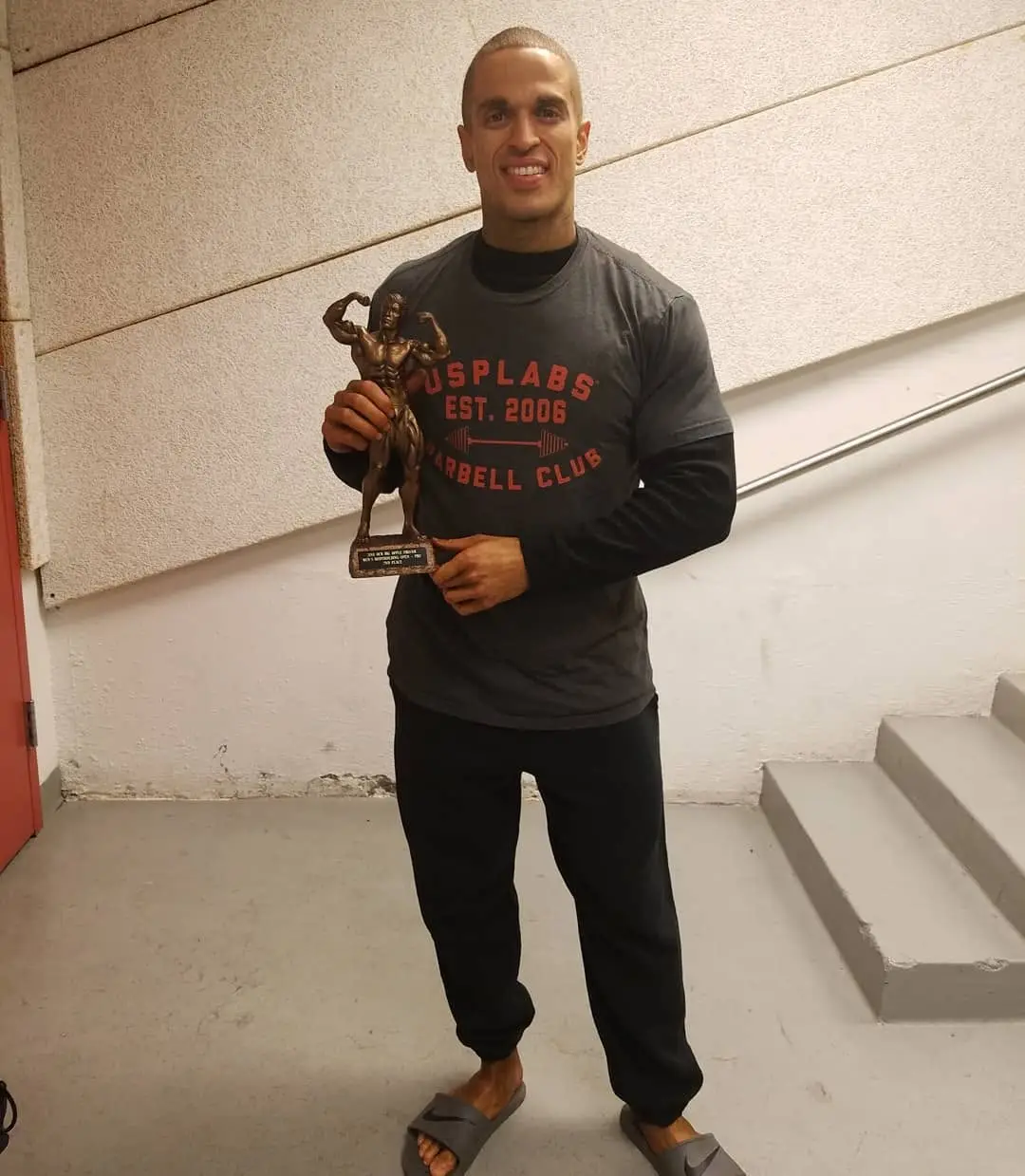
He also said price is one of the main reasons patients look abroad, often to clinics in Turkey, Russia and Vietnam, where operations can cost less and some surgeons may promise larger height increases in a single procedure.
“If the US will only offer them, say, 3 inches, but they want 5 inches from a single surgery, and Turkey will give them that for less money, they’ll go for it,” he said. “That’s not a smart decision.”
Specialist orthopedic programs in the United States and Europe continue to emphasize that the safest option is usually care from an experienced surgeon working in a fully regulated medical system, because leg-lengthening often requires repeated imaging, frequent adjustment visits and close monitoring for complications. Centers that do this work typically involve a team approach, including surgeons, therapists and rehabilitation specialists.
Egonu warned that the risks can be much greater in those settings, arguing that many overseas clinics do not meet the same regulatory expectations as those in the United States.
“They don’t hold themselves to as high a standard and tend to be more focused on the money,” he said.
He added that he also discourages interest in procedures he does not believe can currently be done safely, including lengthening clavicles or fingers.
“If someone claims they can, be extremely cautious, because you could seriously damage your body,” he said.
Another issue he highlighted was how isolated many patients become during the process. Within his community, he said, people often go through surgery ‘solo’, without telling partners or relatives, and instead explain their recovery by claiming they had a skiing accident or unrelated knee surgery.
Looking back nearly 14 years after his own operation, Egonu said his legs are ‘fantastic’. He noted only small differences in flexibility and occasional knee irritation caused by scar tissue near the patellar tendon. When asked what he would tell his pre-surgery self in 2012, his answer was reassuring.
“It’s terrifying at the time, but it turns into something bigger and better than you could have imagined, and it makes your life better,” he said.
For anyone weighing up the procedure, he said the advice is always the same: choose a properly regulated surgeon, understand exactly what is involved, and be ready for a demanding recovery.
“If you’re not willing to do that,” he said, “then this isn’t for you.”