

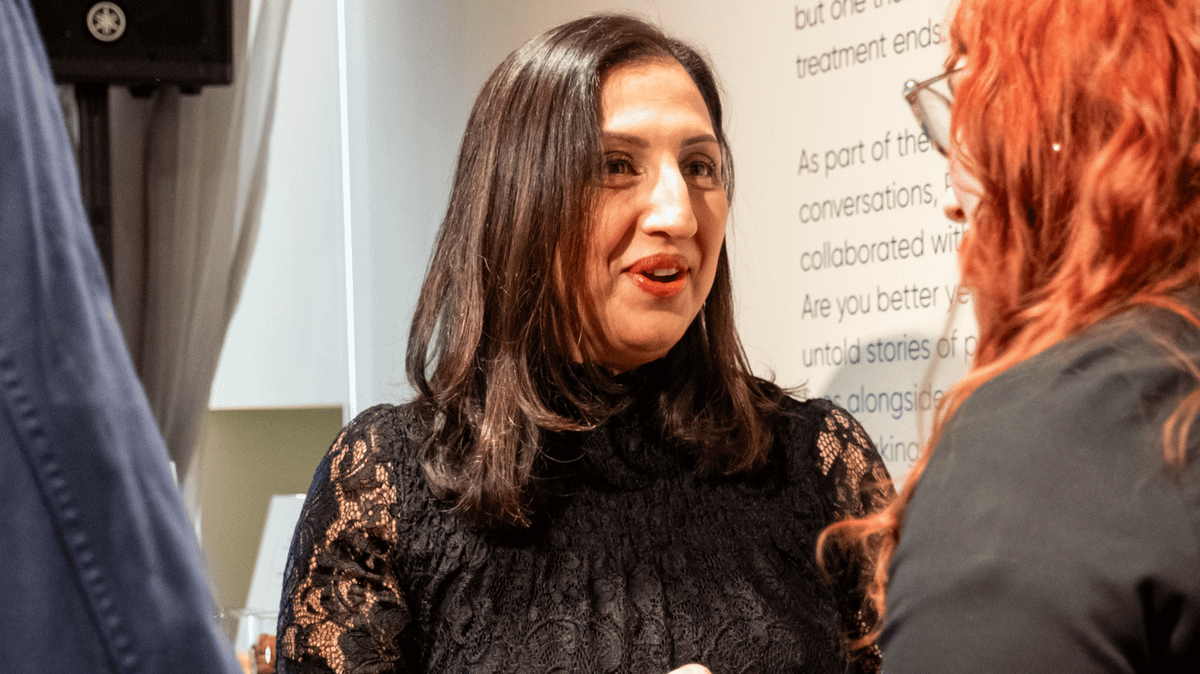
A mother who assumed her exhaustion was just part of juggling family life later learned she had breast cancer.
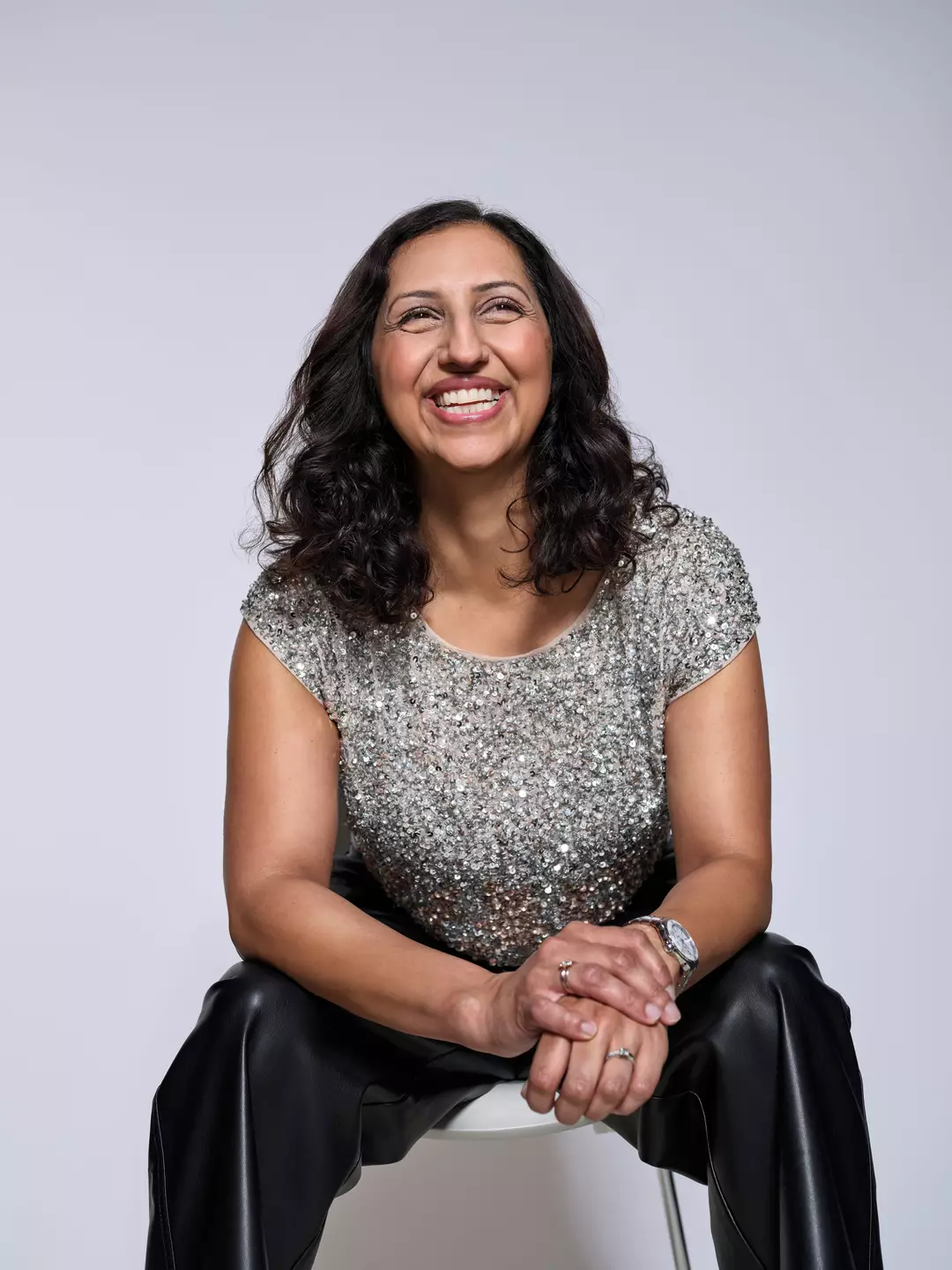
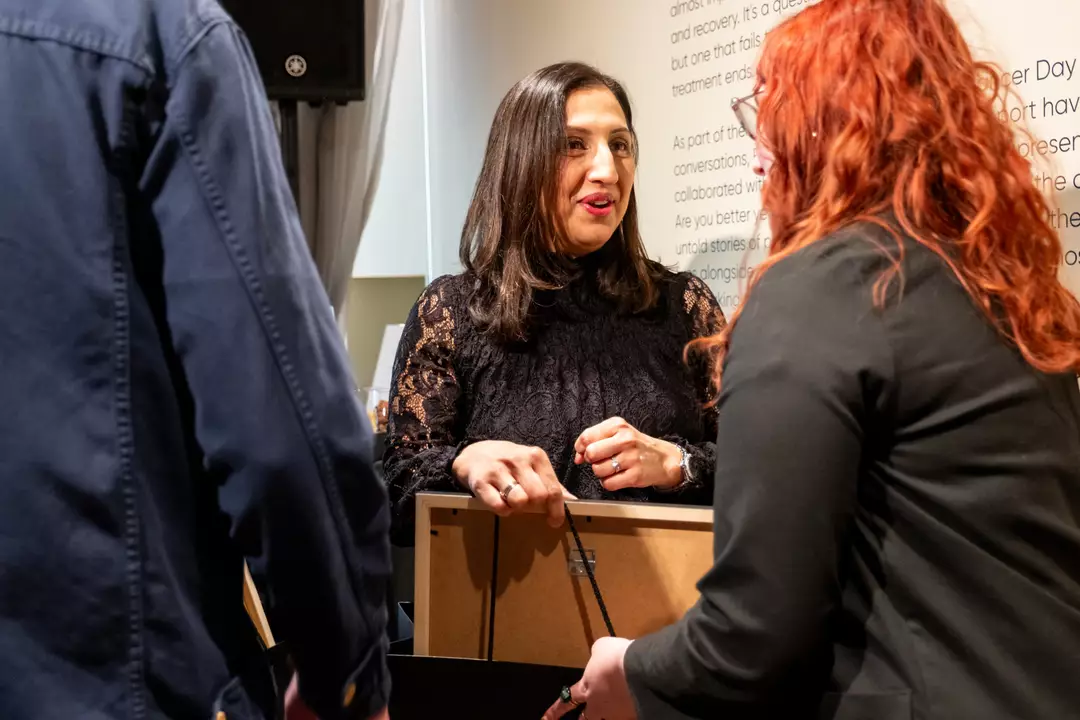
Anj Periyasamy was diagnosed with triple positive breast cancer in March 2022, aged 37.
Before the life-changing diagnosis, Anj said the only sign she noticed—prior to finding a lump beneath her breast—was feeling ‘knackered’, something she’d simply ‘put down to motherhood’ while caring for her daughters, Jasmin and Maya, who were five and two at the time.
Although she initially believed the lump was ‘probably nothing’, she said ‘something just didn’t sit right’. She arranged a virtual GP appointment and was advised to attend an in-person check.
At a clinic in central London, UK, Anj said a breast surgeon told her it was ‘probably nothing’ and that she was ‘too young’ for breast cancer. Even so, she was advised to proceed with further tests—mammogram, ultrasound and a biopsy—as a precaution.
Within a week, she was referred for an MRI. Anj recalled looking at the specialist and asking: “Is this sinister or not? Just tell me straight.”
When the breast surgeon acknowledged her concern that it could be cancer, Anj said she remembers what she responded in that moment.
“But it can’t be. What about my children? I have to be around for my kids. They’re so little,” she said.
Anj said the following six months were filled with intensive treatment: 16 rounds of chemotherapy, then a double mastectomy with breast reconstruction, 15 rounds of radiotherapy, 14 rounds of IV Herceptin (a targeted antibody therapy to inhibit tumour growth), and six rounds of IV bisphosphonates (a medication to strengthen bones).
She also had monthly Zoladex injections and took Letrozole to suppress hormone levels and maintain a medically induced menopause. After two years, she said she changed to Tamoxifen because of ‘horrid’ side effects.
Alongside losing her hair, eyelashes and eyebrows later in chemotherapy, Anj said her fingernails turned black and she dealt with extreme tiredness and ‘chemo fog’, leaving her feeling as if her body was ‘almost relearning everything again’.
However, she said some of the most difficult challenges have been the symptoms linked to menopause.
Now 41, Anj explained that her cancer is ‘fed by hormones’, meaning her ovaries must effectively be kept ‘asleep’. As a result, she cannot use HRT to manage symptoms such as night sweats, hot flushes, mood swings, low libido, hair thinning, muscle aches and tendon pain.
“I can’t even use certain herbal supplements,” she added. “No one talks about this.”
Four years after her diagnosis, Anj said her eyebrows still have not fully returned and her skin has changed due to menopause, but she is doing well.
She said she is speaking out partly to ensure greater visibility for South Asian women: “There’s not enough education out there, there’s not enough awareness, and there’s not enough people that look like me – young brown women.”
If you’ve been affected by any of these issues and want to speak to someone in confidence, contact the American Cancer Society on 1-800-227-2345 or via their live chat feature, available 24/7 every day of the year.