

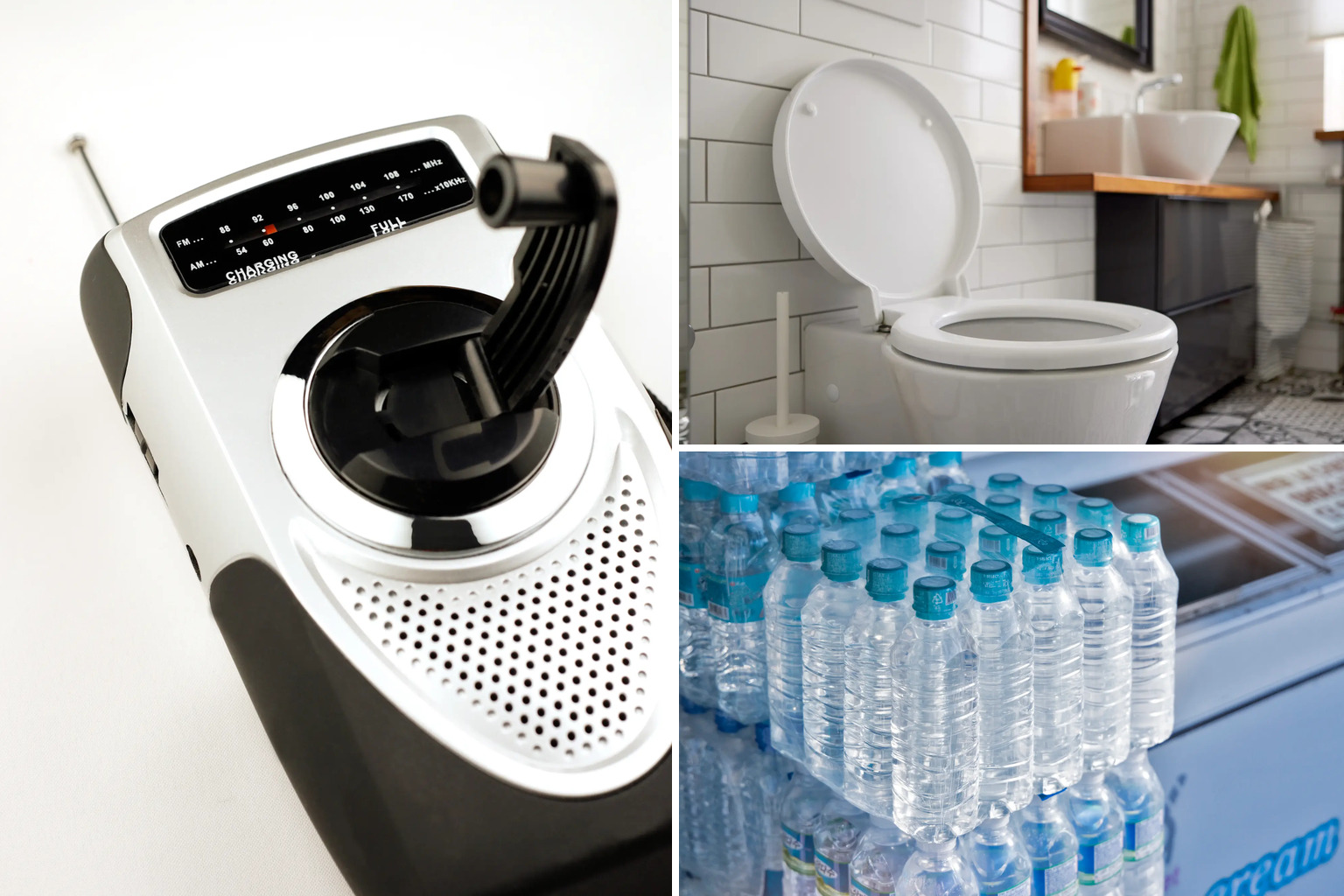
The UK government has issued grim toilet-use guidance as part of its contingency planning for a catastrophic “Black Sky” event that could knock out critical national infrastructure.
The emergency protocols, developed for a scenario where power grids and sewage systems fail simultaneously, advise Britons against attempting to flush during the first days of a nationwide crisis. “Do not try to [flush the toilet] in any way as the sewage system will not be working,” the official guidance states. Instead, households are told to stockpile plastic bags for human waste collection, sealing and disposing of them with normal household waste in outside bins.

Hand hygiene presents its own challenges without running water. The advice recommends filling a large bowl with water and adding soap or disinfectant for washing. For anyone suffering from diarrhoea, separate bowls must be kept to prevent contamination.
The Black Sky framework addresses a spectrum of disasters severe enough to cripple multiple infrastructure systems at once, from internet outages to energy grid collapse. Government officials have emphasized that such an outcome remains very unlikely, but scripts have been prepared nonetheless. The public will not need to take any action now; the guidance exists to prepare people for what could be required in an emergency.
Water scarcity compounds the sanitation problem. Tap water could become unavailable during a prolonged blackout, and officials advise stockpiling three litres per person per day to cover a 72-hour period. Once stored supplies deplete, the guidance turns to unconventional sources. Tinned fruit juice offers one alternative. Rainwater, melted snow, and water from garden butts can be rendered potable through filtration using pillowcases or bedsheets, with officials warning against any supply that appears oily or filmy.
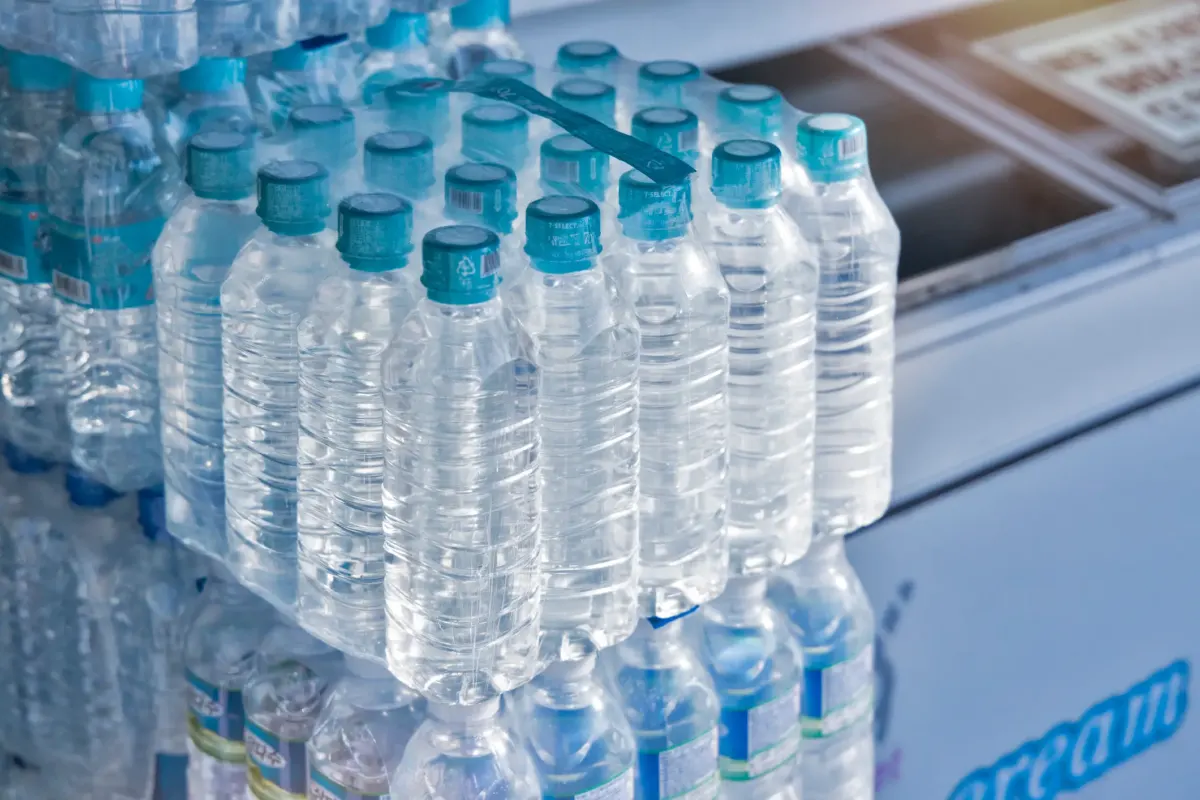
Purification methods must adapt to the absence of electricity. Boiling remains the preferred option, though the guidance notes the obvious limitation: “your kettle won’t work.” Water purification tablets provide one fallback. Without those, a quarter-teaspoon of household bleach per ten litres of water can suffice, with the treated water needing to stand for fifteen minutes and carrying a slight chlorine smell.
Food safety timelines shrink dramatically without refrigeration. The guidance states that fridges maintain safe temperatures for roughly four hours after power loss, after which cooked meats and leftovers become unsafe. Freezer contents fare better, remaining frozen for 24 to 48 hours. Pre-prepared salads and cooked chilled meats may last one to two days if they pass visual and smell inspection. Hard cheese, yoghurt, butter, and whole fruits and vegetables can extend to seven days. Cold weather naturally extends these windows.
Once perishables expire, the advice shifts to room-temperature staples. Bread, cakes, and intact produce become the remaining options as long as they appear and smell normal.
Communication infrastructure would fragment in such a scenario. The BBC maintains a “special emergency radio studio” capable of broadcasting official updates and warnings on FM frequencies. Only wind-up radios would guarantee reception without mains electricity. Places with backup generators would transmit these broadcasts, becoming critical information nodes when streetlights, cash machines, petrol stations, and traffic lights have all gone dark.

The guidance draws on real precedent. In 2015, flooding of the River Lune plunged over 60,000 Lancaster residents into a localized version of this scenario. Only copper-wire landlines and FM radios functioned for communication. Witnesses described streets without illumination, darkened neighbouring towns invisible on the horizon, and the paralysis of ordinary commercial life. The scale was regional, not national, but conversations about UK resilience have since coalesced around a three-day preparedness threshold for households.
The government stresses that no immediate action is required from citizens. The protocols exist as contingency foundations, ready for activation should an unprecedented crisis emerge.