

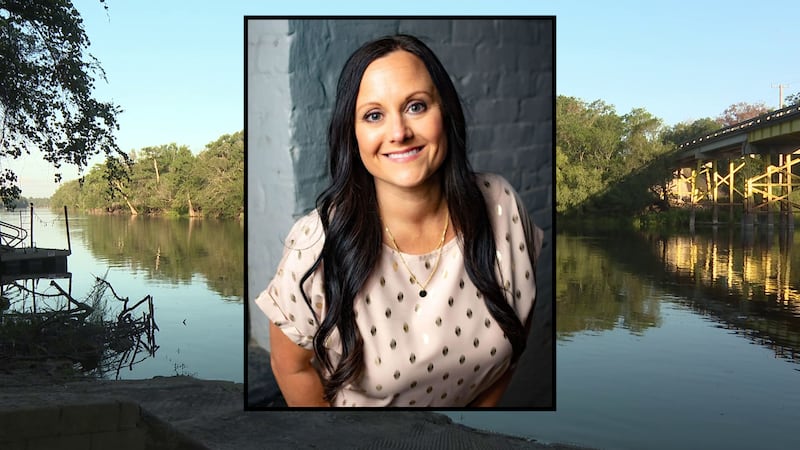
DNA from a Florida woman, 31, matched a 13-foot alligator captured after she died in a fatal river attack.
Brittany Clark, 31, matched DNA to a 13-foot alligator captured after the deadly attack on the Econlockhatchee River on June 28.
The medical examiner reported that bite marks on Clark’s arm were consistent with the front row of teeth from one of the captured alligators.
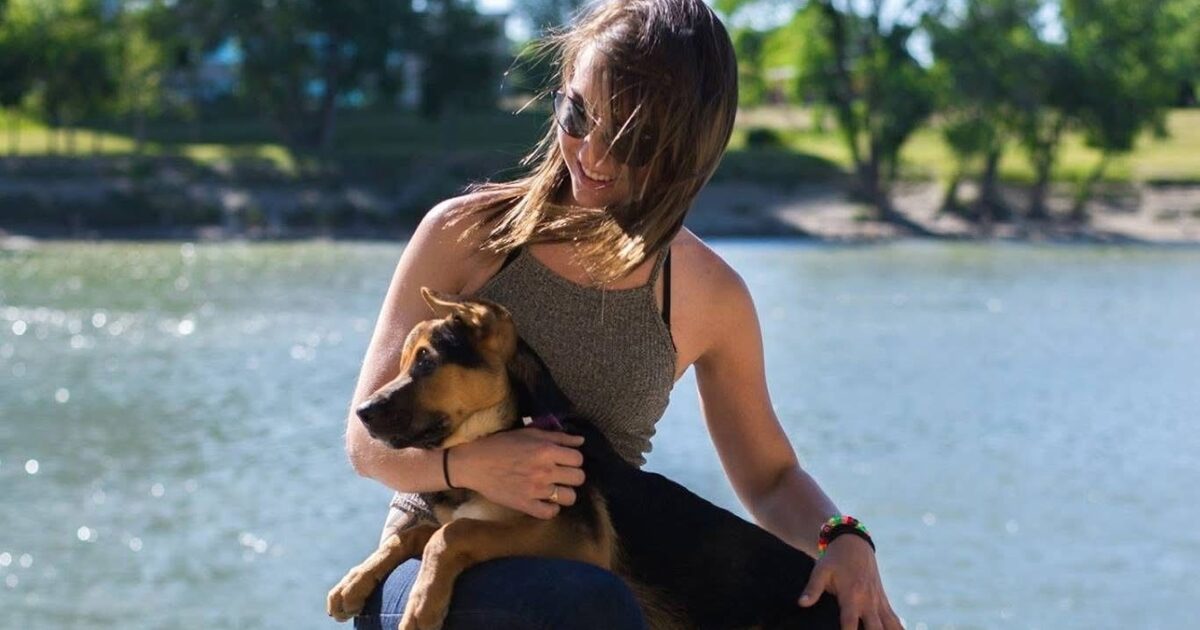
Clark was a fun-loving adventurer from Orlando who grew up in Sacramento.
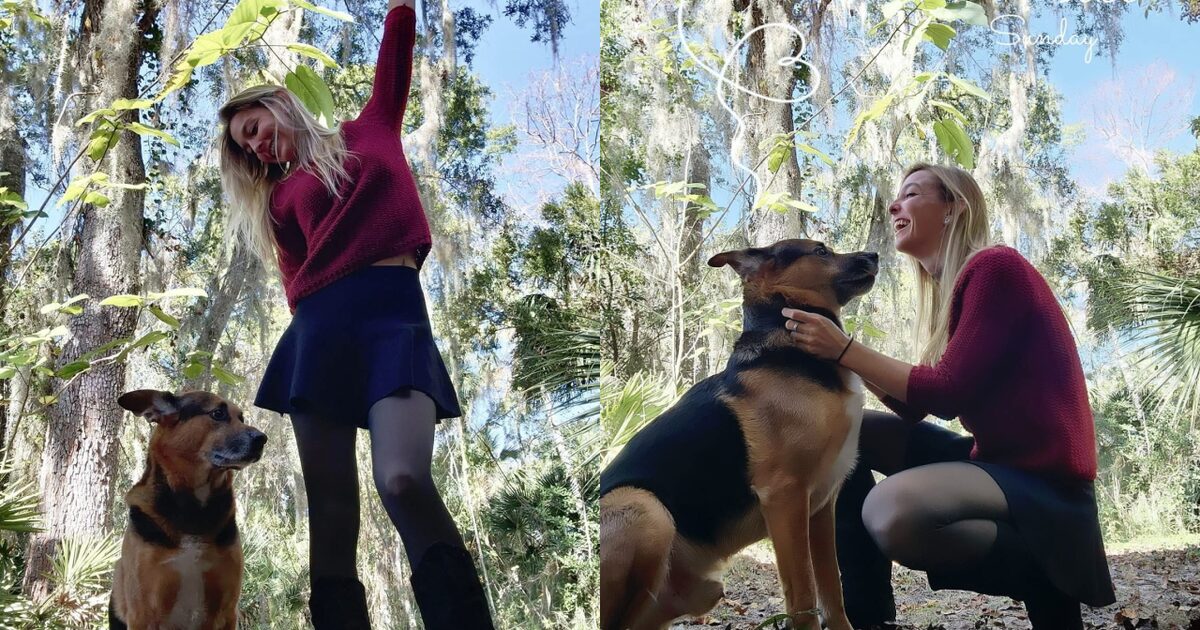
Clark grew up in California and graduated from John F. Kennedy High School in Sacramento, and her family said she had moved back to Orlando and was working in construction, helping build roads and infrastructure across Florida.
“She loved riding motorcycles, skydiving, scuba diving, playing in the water, hiking with her dogs, hiking with her friends, and seeing new places,” said Robert Clark, Brittany’s dad.
Her brother Nate also shared his grief publicly.
“I would love to share with the public how amazing she is,” Nate Clark said.
Family members said Clark was a fun-loving spirit and an avid bike rider who loved her dog.
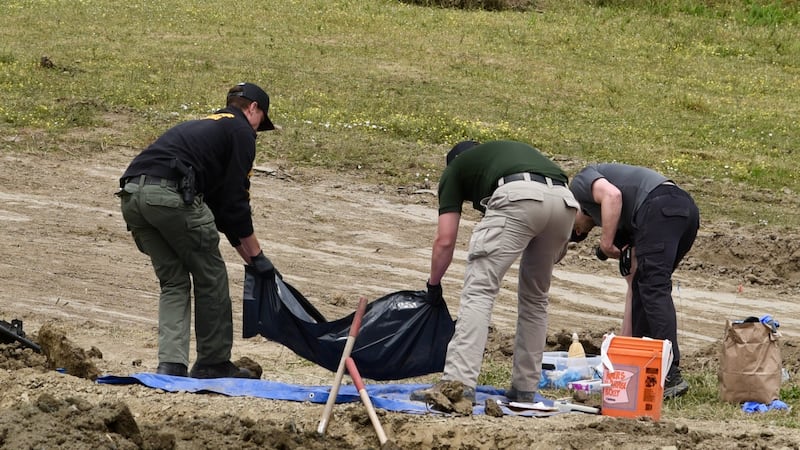
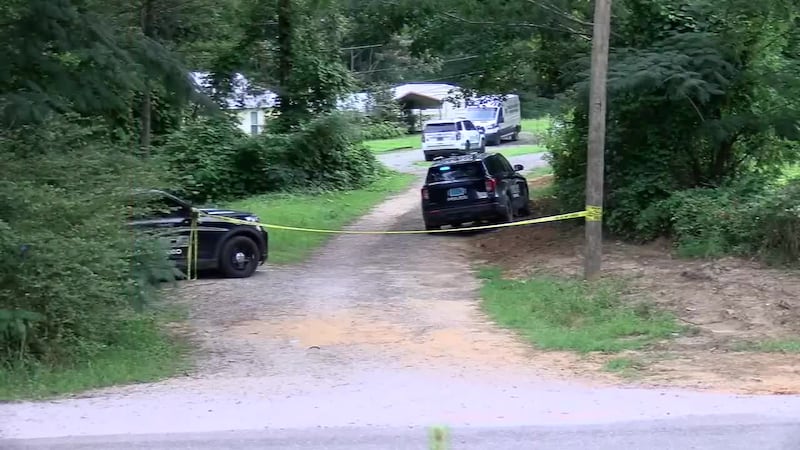
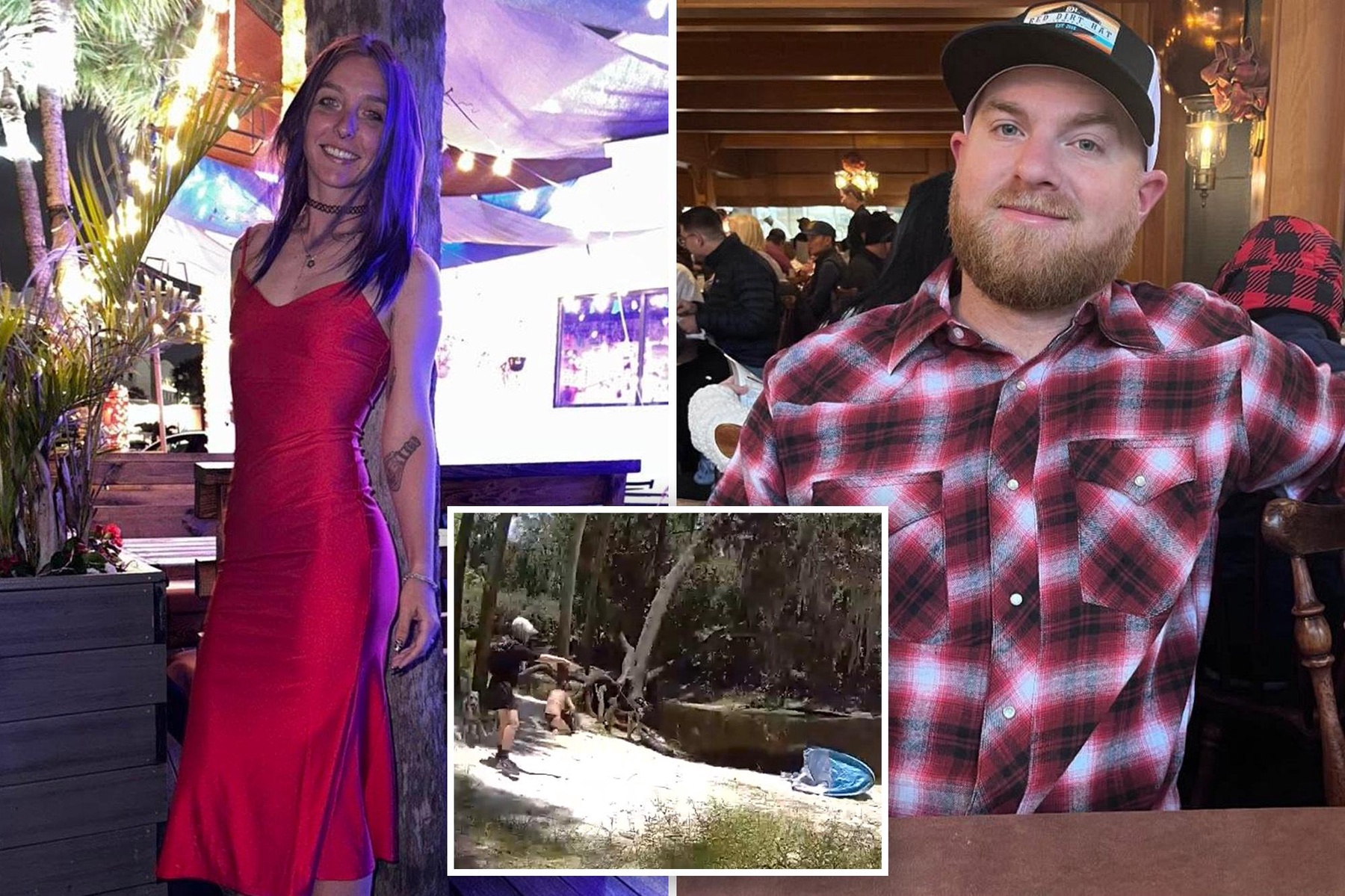
Her boyfriend Chance Allison was there when the attack happened and tried desperately to save her.
Clark’s boyfriend said she “was such an amazing and caring person and didn’t deserve to go out in such a way” and added that Clark “loved going out on the water every chance she could” and said, “Never in a million years would we have seen this nightmare come about.”
One witness who had warned them about alligators spoke with regret later.
“I said, ‘Be careful, there’s a lot of gators around here,'” a man who had visited the trails for about 30 years recalled.
“They were really happy. They were walking happily. They were having a great day,” he said.
Clark, her boyfriend, Chance Allison, and their friend were swimming in shoulder-deep water when the massive alligator “grabbed (Brittany) by her arm and began the “death roll.”
According to the medical examiner’s report, “Chance grabbed the alligator trying to get it to release (Brittany)…when it took them both underwater releasing (Brittany) for a moment and then grabbing her other arm.”
Once the alligator let go, Chance brought Brittany to shore and called 911.
Clark’s boyfriend brought her to shore and performed CPR until first responders arrived, though her pulse was “thready” before she coded and she was pronounced dead when she arrived at the hospital at 2:48 p.m.
After the attack, the FWC worked quickly to capture the killers.
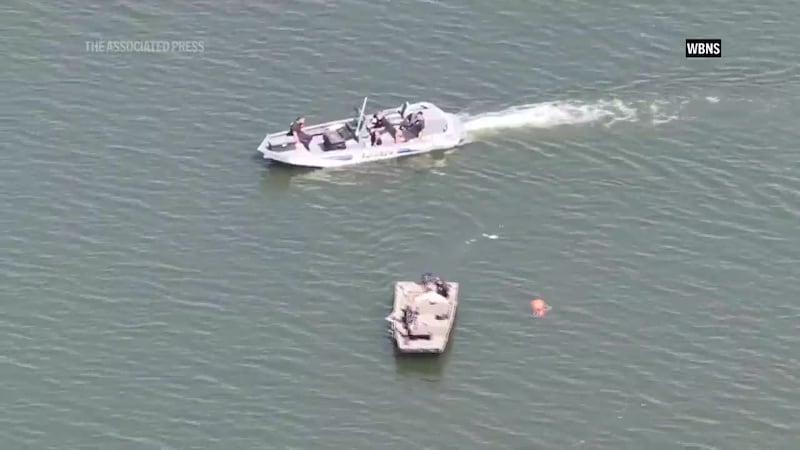
The Florida Fish and Wildlife Conservation Commission worked with the Seminole County Sheriff’s Office and the Florida Forest Service to capture and kill two large alligators in the area: a 13-foot alligator and a 12.5-foot alligator.
DNA results announced on July 16 confirmed which beast was responsible.
FWC laboratory results matched Clark’s DNA to the 13-foot alligator captured at the scene.
“A row of teeth on the gator head is consistent with teeth marks on the left arm,” the Orange County medical examiner’s preliminary report said.
Officials said the gator may have been protecting its territory during mating season.
The FWC said serious injuries caused by alligators are uncommon in Florida, although alligators can be found in lakes, rivers, ponds and other freshwater bodies across all 67 counties; officials said they are not speculating about what prompted the attack but noted that alligators can become more territorial during their mating season, which typically runs from April through June.
Florida experts offered perspective on the rarity of the attack.
“People need to understand this is a very rare situation,” said Frank Robb, who has more than three decades of experience dealing with Florida alligators.
The Barr Street Trailhead remains closed and will stay closed until further notice.