

A simulation has highlighted a brutal crocodile survival tactic in the wake of Robert Irwin’s frightening encounter with a 14-foot animal.
While appearing on The Jimmy Fallon Show, Irwin — Steve Irwin’s son — described a moment where a dominant “boss croc” ended up trapping him after he vaulted onto its back.
He said the move was part of ongoing research work, which involves jumping onto the crocodile and keeping its jaws closed. The closing muscles are extremely strong, he explained, but the muscles used to open the mouth are comparatively weak — meaning a person can sometimes hold the jaws shut.
On this occasion, though, the situation escalated when he landed on a crocodile named Jimmy Fallon.
“I jumped onto him. I kid you not, 14 foot of crocodile, big croc, death rolls me. So I’m stuck underneath him with my arm hanging out.
“I’ve got like probably, I don’t know, maybe 700 pounds on top of me. And I’m just like, ‘What do I do?’ Luckily, he rolled back the other way, and I was fine. But he’s a goer.”

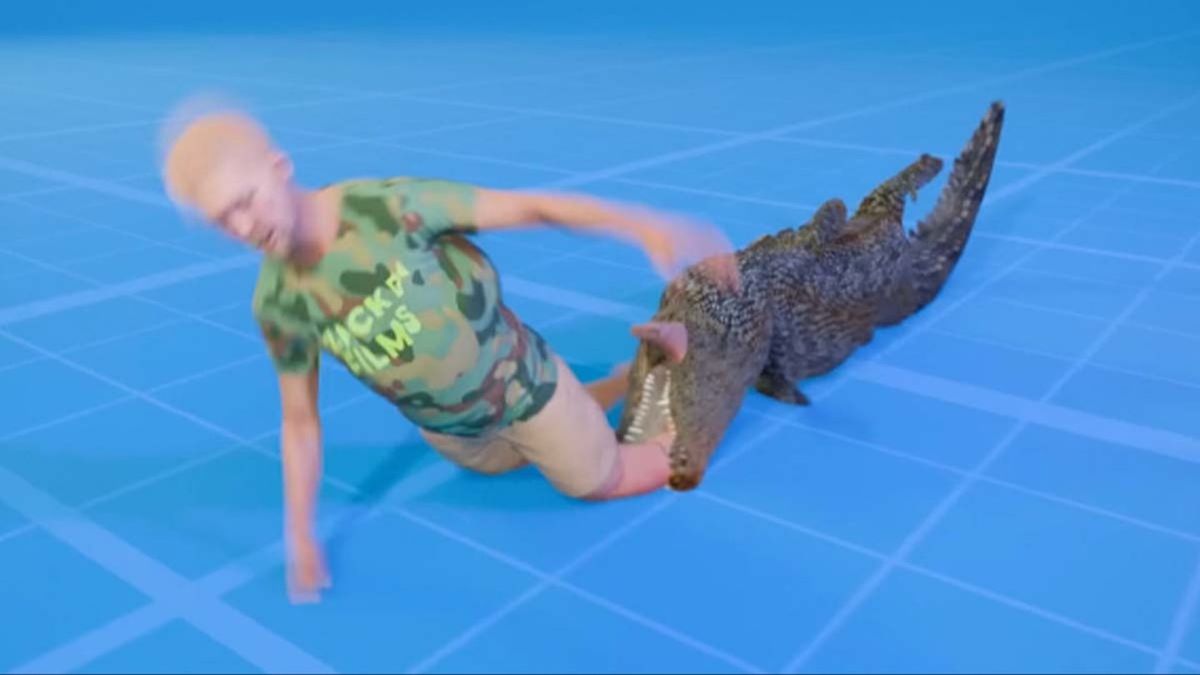
A chilling demonstration shared on YouTube by Zack D. Films illustrates what happens during a so-called death roll: the crocodile clamps down with its powerful bite, then rotates its body to wrench and tear tissue away.
The video suggests that if someone is ever grabbed by a crocodile or alligator, rolling in the same direction as the animal’s spin may reduce the twisting force that causes severe tearing.
That said, reacting correctly would require split-second awareness in an extremely dangerous moment — including quickly figuring out which way the animal is rotating.
So what makes crocodiles and alligators rely on this maneuver in the first place?
If you’ve ever studied a crocodile’s jaws (from a safe distance), you might notice their teeth aren’t shaped for slicing or chewing. They’re built to seize and hold.
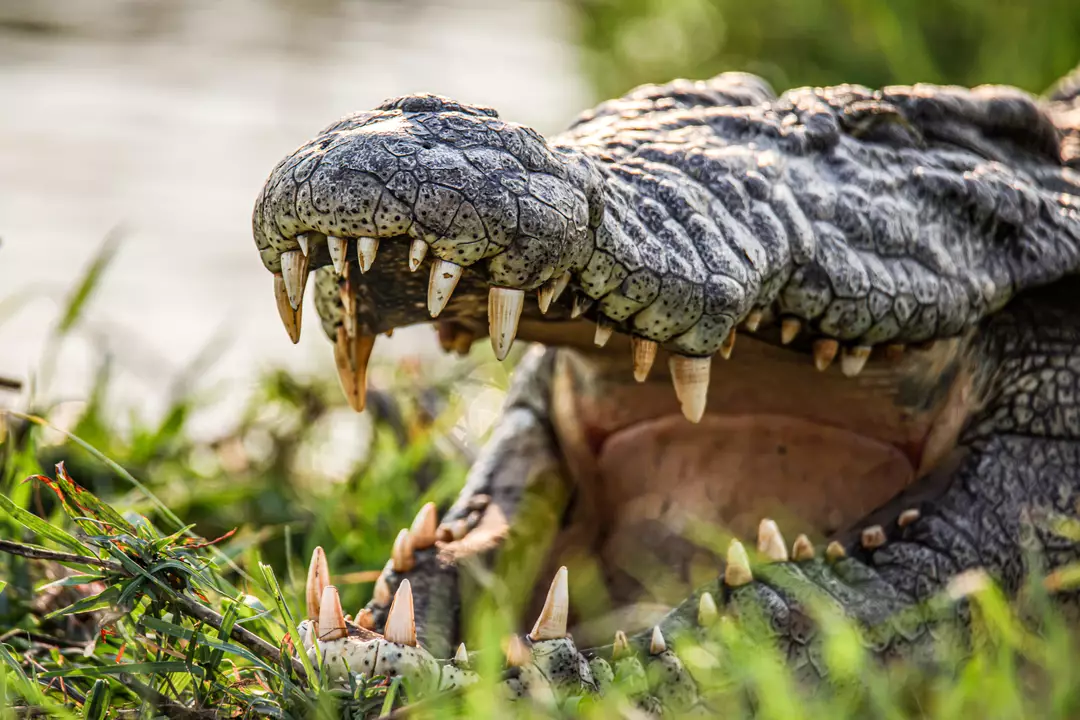
Even though their bite force is immense, crocodilians don’t have the jaw dexterity humans do — they can’t chew or neatly carve off manageable pieces the way we might with incisors. Their power is designed to lock onto prey and keep it from escaping, often while dragging it underwater to drown.
Unlike big cats such as lions or jaguars, they also lack strong grasping arms and claws to hold prey steady while pulling flesh apart. As a result, they depend almost entirely on their mouths to do the work.
The death roll offers a simple but horrifying solution: clamp down on a section of flesh and then spin the body repeatedly through the water, using the rotation to rip tissue free.
The technique is so effective that even a smaller crocodilian may be capable of inflicting catastrophic injuries — potentially even tearing off a human arm.