


Millionaire biohacker Bryan Johnson says he’s become the first man to remove harmful microplastics entirely from one specific part of his body, sharing a jaw-dropping update about his genitals.
“I have no microplastics in my balls,” the 48-year-old wrote in a post on X, offering up the environmental and lifestyle adjustments he believes helped him reach that result.
As bizarre as the claim sounds, microplastics in reproductive health are a real area of concern. Multiple studies have reported finding microplastics in 100 percent of sperm samples tested, in a world where plastic has become ubiquitous in a relatively short span of time.
Johnson said the outcome “should not be possible,” arguing that nobody else has ever achieved a completely polymer-free sperm sample. He told followers: “I had 165 microplastic particles in my semen just 18 months ago.”
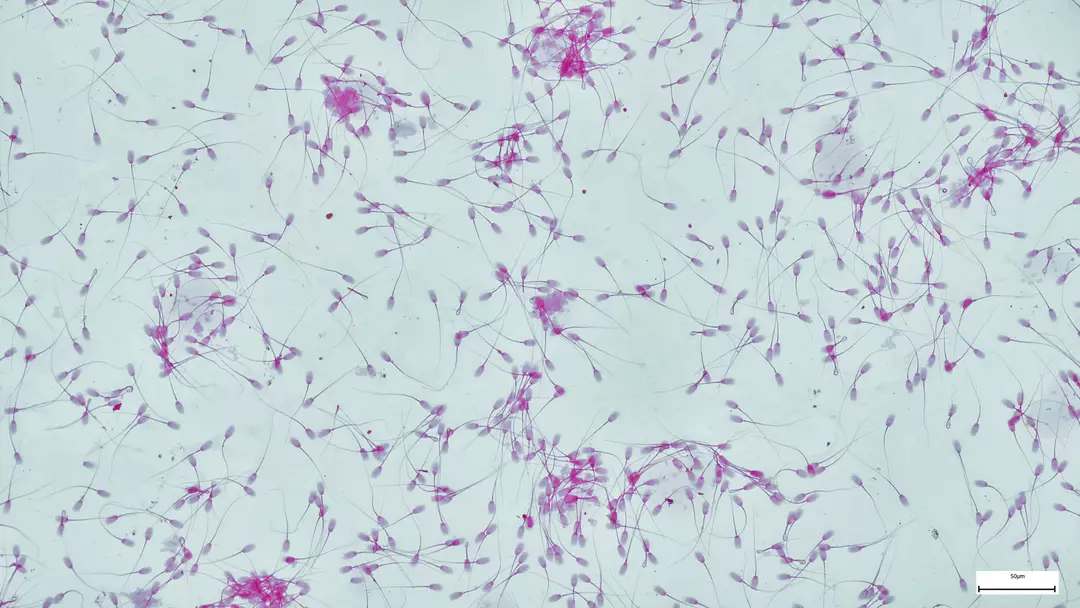
He followed it up by saying: “Now, I have zero.”
Still, Johnson is effectively the sole source for this announcement, and there’s no indication his testing was conducted under controlled, peer-reviewed scientific conditions. Even so, wider research increasingly suggests plastic pollution may be harming human health in various ways.
One study published in The Lancet’s eBioMedicine examined sperm samples from 113 men in China and reported microplastics in the reproductive fluids of every participant.
That same research went further by identifying which polymers appeared in each sample, and it noted a pattern: higher levels of certain plastic types were associated with a marked decline in fertility, with Teflon-related polymers showing the strongest link.
Johnson pointed to similar findings as he made his case, writing: “Microplastics hurt sperm. Human studies show the impact of various types of plastic, associated chemicals, and other toxins on male fertility.”
Highlighting two groups of chemicals often discussed in this context—polytetrafluoroethylene (PTFE) and polyfluoroalkyl substances (PFAS)—Johnson said they’ve been connected to abnormal sperm shape and a higher risk of reduced fertility.
Before listing the steps he says led to a zero count, Johnson also shared broader fertility and health habits he promotes, including avoiding cigarettes, marijuana, junk food, alcohol, and products with added sugar.
He claimed that lowering stress, exercising consistently, and sticking to a Mediterranean diet can help improve fertility naturally, alongside many other health indicators.
But when it came specifically to microplastics, Johnson attributed his reported change to three main interventions: using a dry sauna, installing a high-end water filtration system, and eliminating as many plastic items as possible from his kitchen and daily environment.
His claim is correct. We have a fertility crisis.
> 62% sperm count drop globally 1973 – 2018
> 23% drop in just 16 years
> rate of decline accelerating
> dropping 2.64% per year since 2000I explain below how to improve yours.
I've been working on improving my fertility… pic.twitter.com/WEErcrfY32
— Bryan Johnson (@bryan_johnson) May 12, 2026
He explained: “1. Sauna (dry). My toxin blood panel confirms sauna clears plastic related chemicals: BPA, phthalates, PFAS, flame retardants, pesticides. The plastic particles themselves are too big to sweat out directly.
“Heat may activate other clearance routes: bile flow through the liver, the cell’s internal cleanup system, and the gut barrier. Humans have almost no enzymes that can break plastic apart, so the body has to physically push it out.
“2. Reverse osmosis water filter. Drinking water is likely a major source of microplastic getting into your body. A reverse osmosis filter pushes water through a very tight membrane and strains the particles out. I filter everything I drink.
“3. Trying to rid my environment of the big plastic items: cutting boards, cups, plates, food storage containers, non-stick pans, cling wrap, tea bags, water bottles, kitchen utensils, kettles, and synthetic clothing.
“Note, as hard as I try, I’m always finding new plastic things in my life. This can be all-consuming thing so try to just knock out the big ones.”
And for anyone tempted to copy his setup—adding a dry sauna at home, buying a reverse osmosis filtration unit, and replacing plastic-heavy kitchenware—the cost could easily run beyond $1,000 in equipment alone.