

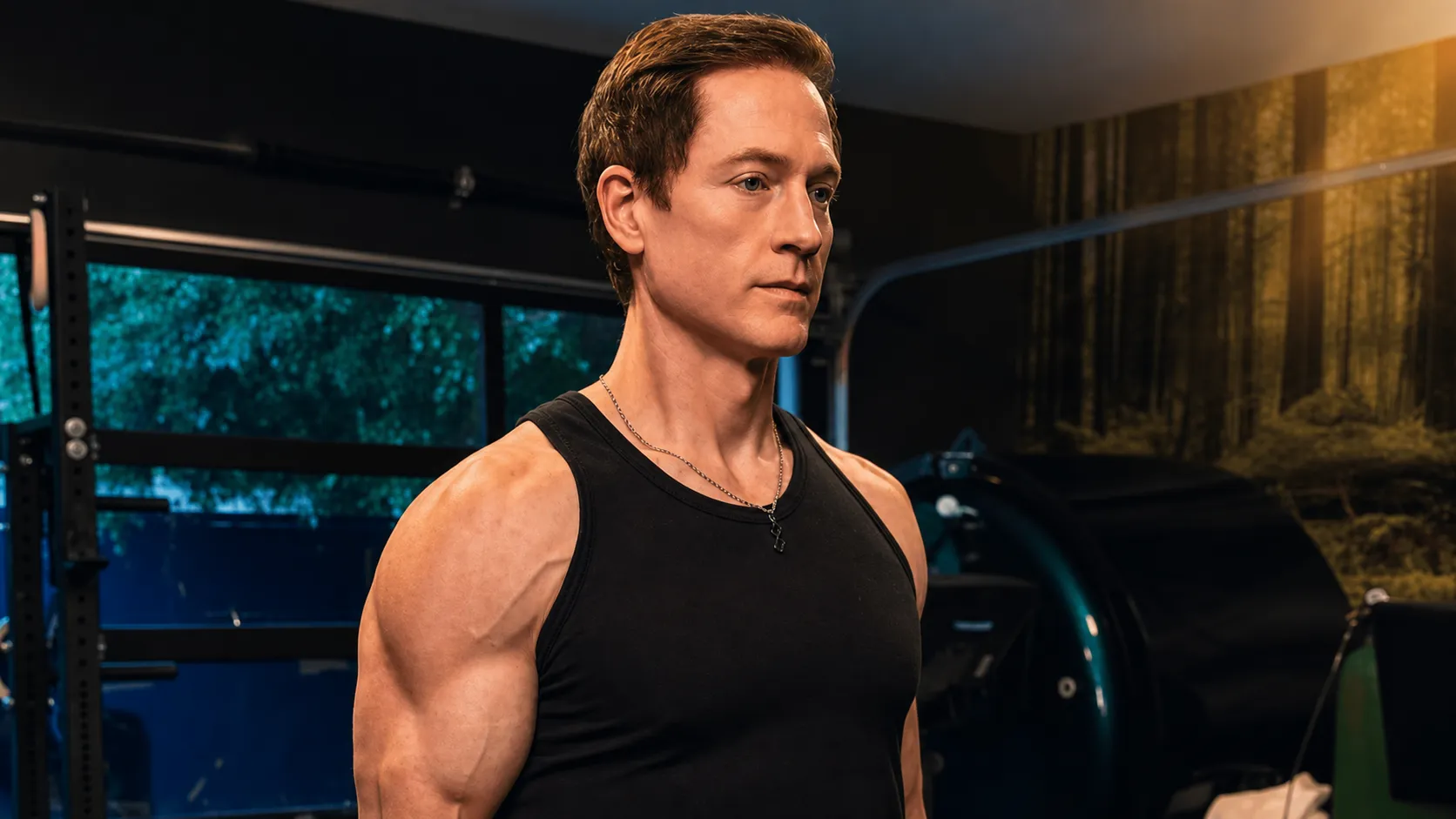
Bryan Johnson says he has produced what he describes as a newborn version of himself in a lab dish, arguing that the experiment could eventually point toward new ways of repairing the body and tackling aging.
The 48-year-old entrepreneur, who has built a public profile around aggressive longevity routines, shared the claim in a post on X.
“I just cloned myself… As a newborn,” he wrote.
According to Johnson, the miniature version of himself, dubbed ‘baby-bryan’, exists only in a petri dish at this stage. He says the broader goal is to one day use genetically matched youthful cells or tissue to help restore parts of his own body.
The work is based on induced pluripotent stem cell, or iPSC, technology. In simple terms, that means taking cells from a blood sample and reprogramming them so they behave more like embryonic stem cells.
That process does not mean Johnson has created a full human clone. Instead, the claim appears to refer to lab-grown cells that retain his DNA and can be developed into different tissue types for research or potential medical use. In that sense, the experiment fits into a fast-moving field of regenerative medicine that is exploring how patient-specific cells might one day be used to replace damaged tissue, reduce rejection risk, or support organ repair.
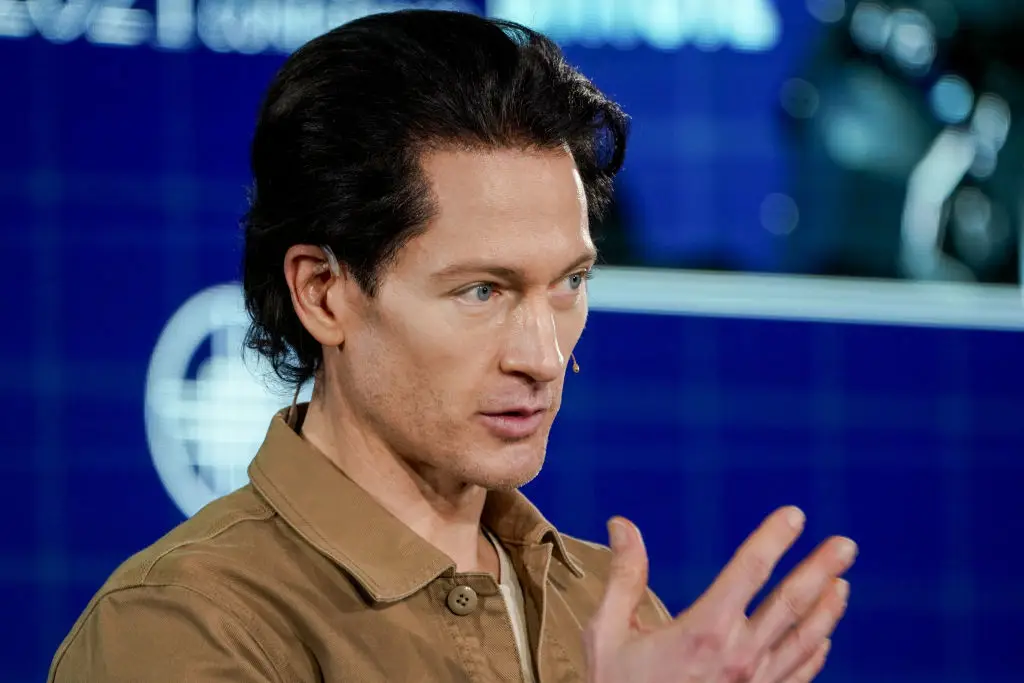
He explained that the method begins with drawing blood and then applying Yamanaka factors, which are used to rewind the cells’ epigenetic age and push them back into an embryonic-like condition. From there, the cells can potentially develop into a wide range of different tissue types.
This area of science is already well known in research circles. It was pioneered in the 2000s by Japanese scientist Shinya Yamanaka, whose work later earned him the 2012 Nobel Prize in Physiology or Medicine.
“This baby-bryan lives in a petri dish for now,” Johnson said. “This may be scary to some people… a dystopian future. But, for others, they will see it as the inevitable future of health.”
Last month, Johnson said he had been diagnosed with an incurable autoimmune disease that causes the immune system to attack healthy cells in the stomach lining.
The condition has also drawn attention because autoimmune gastritis can be difficult to spot early and may be discovered only after ongoing symptoms or abnormal bloodwork. Johnson has said the diagnosis became a new focus for him, and he has repeatedly framed his personal experiments as a way to speed up medical discovery rather than simply optimize his own body.
He said he planned to ‘try and solve’ the condition, insisting that developments in ‘AI, multiomics, and custom-built DNA’ mean no disease should automatically be treated as beyond fixing.
“With this clone, I can become my own blood boy, test therapies on the clone, grow organs for transplantation, develop new treatments, and inject young cells,” he wrote.
I just cloned myself…as a newborn
With this clone, I can:
+ become my own blood boy
+ test therapies on the clone
+ grow organs for transplantation
+ develop new treatments
+ inject young cellsThis baby-bryan lives in a petri dish for now.
This may be scary to some… pic.twitter.com/Ved8ij9Col
— Bryan Johnson (@bryan_johnson) July 21, 2026

He also said the diagnosis had unexpectedly given him a new focus.
“I mentioned getting diagnosed with an incurable disease is one of the best things that has happened to me in a long time,” he said. “It’s opened up a frontier of new paths to repair and strengthen the body. This is the first example.”
In the same post, Johnson argued that related cell-based therapies are already being tested in clinical trials, including efforts aimed at restoring dopamine neurons in people with Parkinson’s disease, as well as treatments for heart function and vision.
Not everyone was impressed by the announcement. One follower responded by saying he is “what happens when you give too much money to a man who is morbidly afraid of death.”
Johnson has repeatedly said his biohacking projects are designed to push medical progress forward rather than simply serve as personal stunts.
Bryan Johnson has been approached for comment.
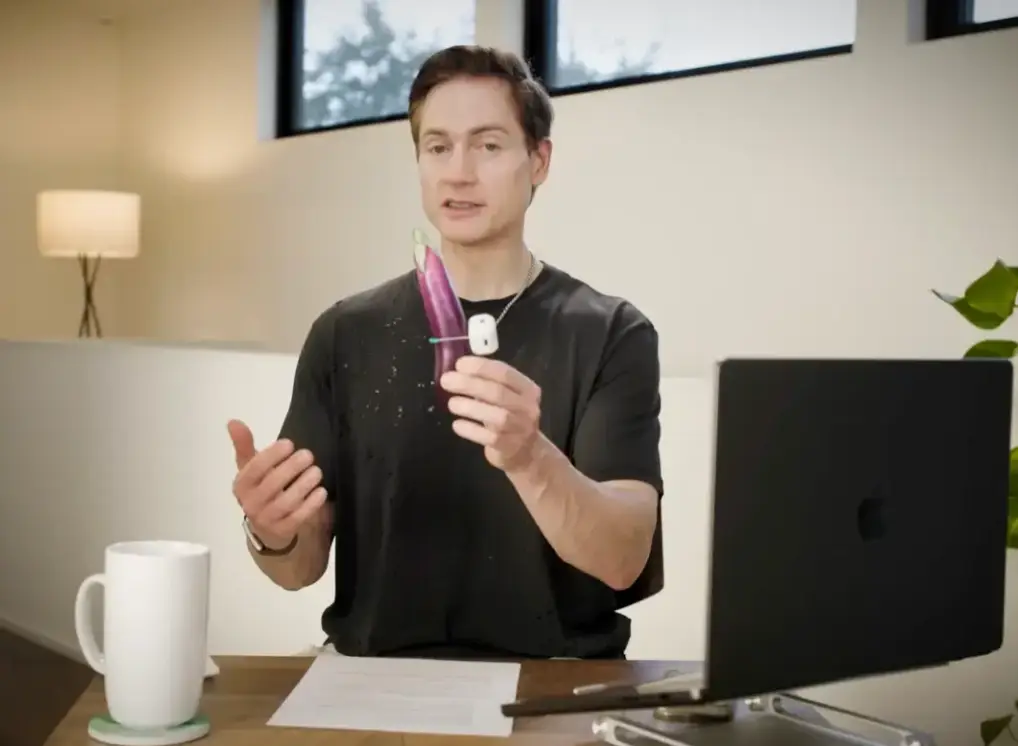
The latest claim is only the newest in a long line of headline-grabbing experiments from Johnson. In another case, he detailed a wide range of treatments intended to restore what he called his ’22-year-old penis’.
Those efforts included semen analysis, blood-flow checks, Botox injections and shock wave therapy, among other measures.
Johnson said the extensive regime helped cut his ‘erection age’ by more than half.
He has also stirred controversy by comparing his own ‘erection data’ with that of his 19-year-old son.
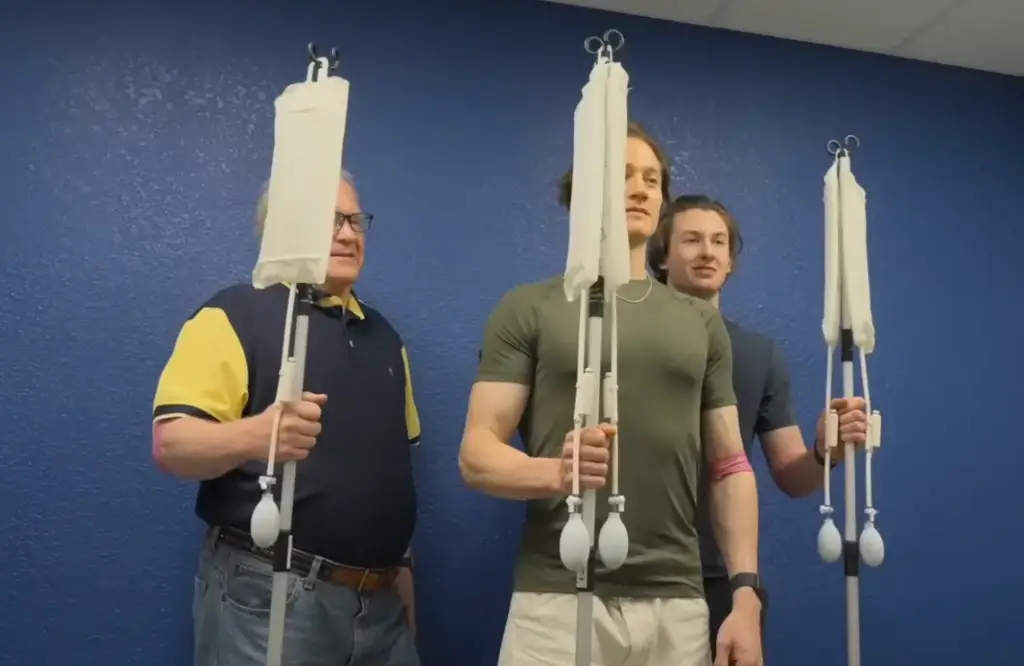
He first went viral in 2023 after involving both his then-17-year-old son and his 70-year-old father in what he described as ‘the world’s first multigenerational plasma exchange’.
During that procedure, a litre of Johnson’s blood was removed and the plasma separated before he was infused with the same amount of plasma taken from his son.
Later, however, Johnson said he had seen ‘no benefits’ and was ‘no longer injecting my son’s blood’.
He then said he had ‘upgraded’ to ‘total plasma exchange’.

Johnson has also spoken publicly about experiments involving psychedelics. Last year, he documented a trip after taking 5g of magic mushrooms.
Afterward, he said he was ‘happy to be alive’, that the experience had ‘changed’ him, but ‘probably not as you’d expect’.
He also described taking 27mg of 5-MeO-DMT, which he called the ‘world’s most powerful’ hallucinogenic, saying it left him ‘stunned beyond comprehension’.

More recently, Johnson outlined his morning schedule, saying the full process takes four hours and 46 minutes.
“My morning routine is always evolving as we update protocols. This is what I’m experimenting with right now,” he writes on his website.
1. Wake up around 5 am
2. Oral hygiene
3. Light in eyes
4. Breath work
5. Pre-workout nutrition
6. Exercise
7. Sauna
8. Red/NIR light therapy
9. Focused shockwave therapy on joints
10. Shower
11. Hair growth serum
12. Skincare
13. Breakfast