

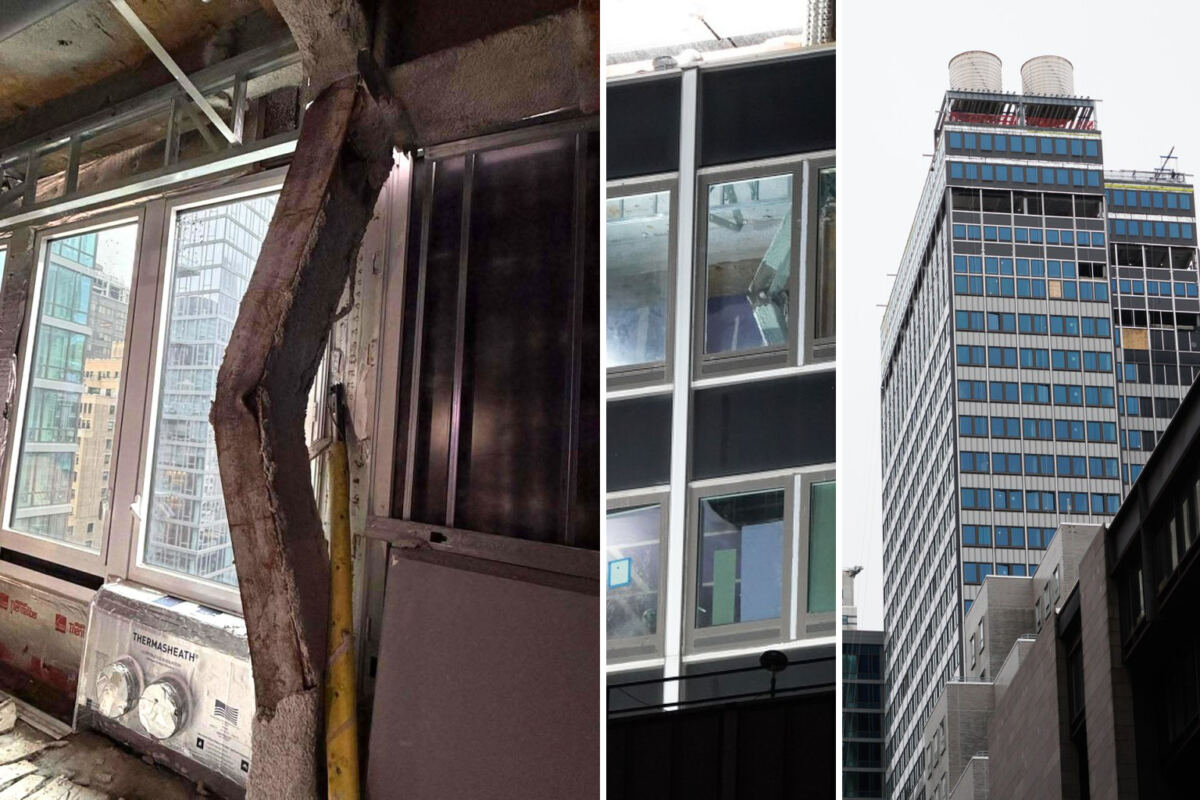
Repair crews are preparing to lift the sagging floors of a dangerously buckled Midtown Manhattan high-rise by fractions of an inch, using a method one engineer compared to the thickness of a guitar pick.
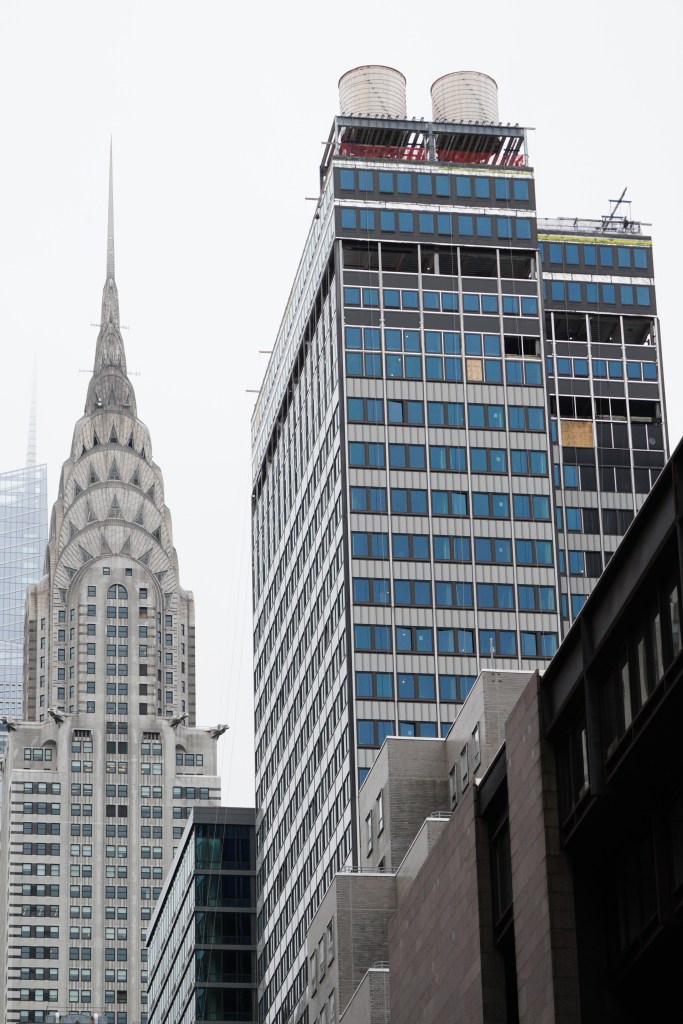
The work at 235 E. 42nd Street, the former Pfizer headquarters, is scheduled to begin this week more than three months after the building’s dramatic evacuation, according to a spokesperson for the city’s Department of Buildings. The 37-story tower, located steps from Grand Central Terminal and the Chrysler Building, is undergoing conversion into what would be the city’s largest office-to-housing project with 1,600 units.
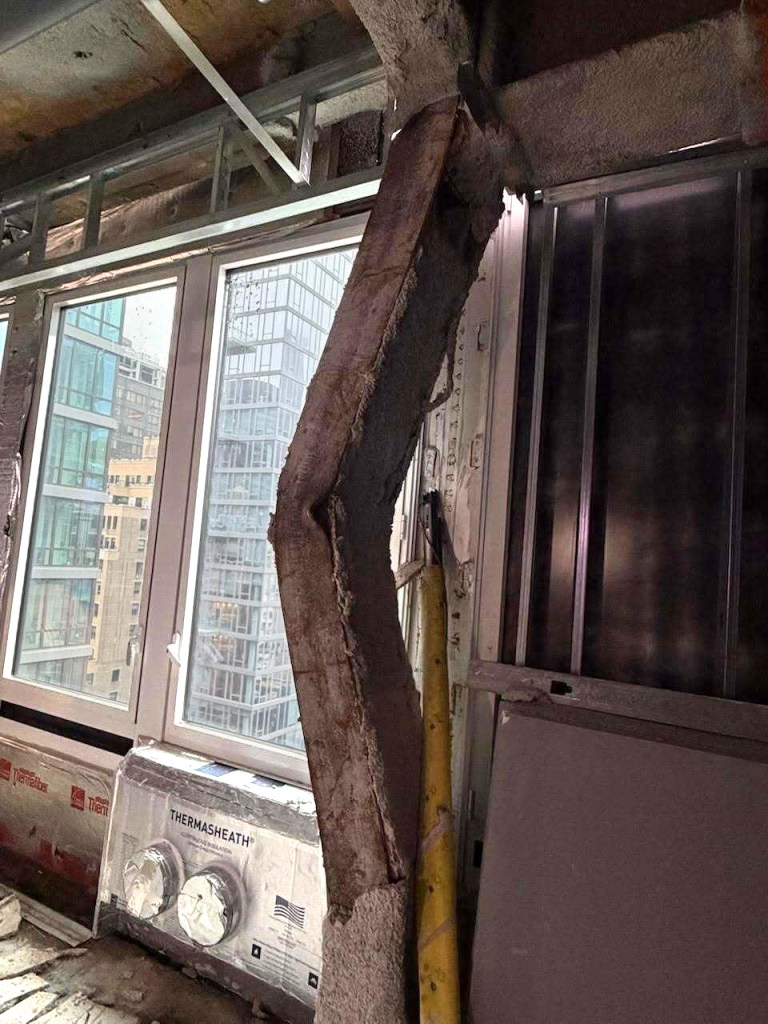
Crews will jack up the buckled floors in increments of 1/64th of an inch, eventually raising them approximately 7 inches total, according to engineering plans filed with the Department of Buildings and obtained by Gothamist. The tiny increments match the thickness of a standard guitar pick.
Eric Cowley, president of Cowley Engineering, reviewed the revised plans and found the incremental approach sound. “The threat is going too fast and missing a problem, like something that is causing damage somewhere else,” he told the outlet.
Cowley added that he thinks “the repair is fine” and saw no need to redevelop the entire section above the buckled columns.
The building’s developer, MetroLoft, initially described plans to rebuild the affected section of the tower immediately after the summer incident. However, the company’s strategy shifted to the gradual jacking approach, according to the newly submitted engineering plans and reviews.
Department of Buildings Commissioner Ahmed Tigani addressed the severity of the original damage at a July 8 press conference. Emergency crews had successfully shored up the building, and a third-party engineer was brought in to “verify and act as another set of eyes” to ensure safety for workers entering floors where beams were “bending like cigarettes.”
David Maggiotto of the Department of Buildings emphasized the vetting behind the new repair strategy. “We would not allow any work to proceed in the city if we thought it was posing a hazard to the public,” he said in a statement.
“These plans to effectuate permanent structural repairs to the building were approved by DOB following an extensive vetting and review process by senior department engineers, as well as from an independent third-party engineering firm,” Maggiotto continued.
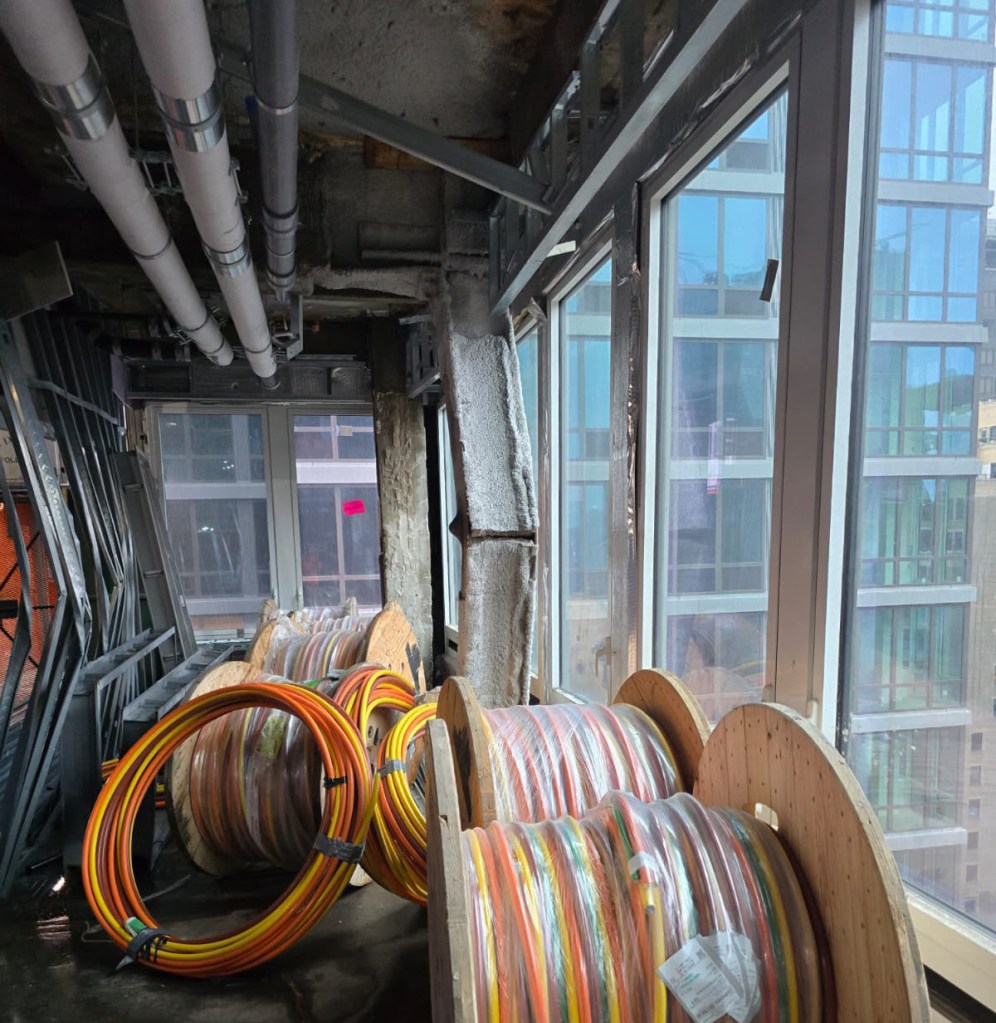
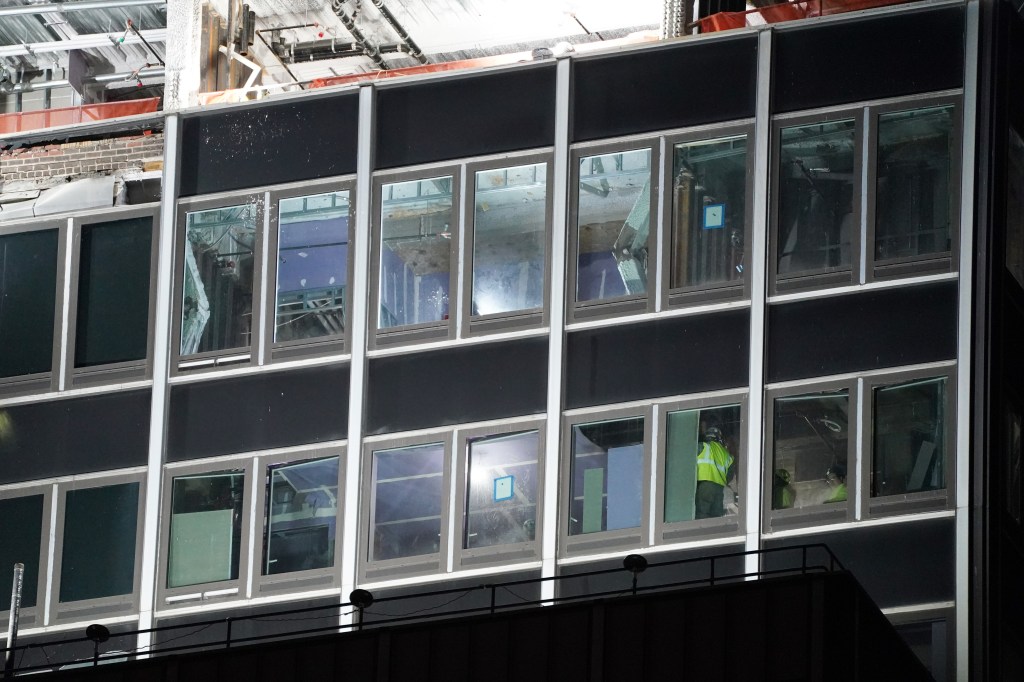
The evacuation occurred during the morning rush in the first week of July when massive beams in the under-construction building began buckling under strain. Several floors caved in and bricks rained onto the street below. Emergency workers managed to stabilize the structure, and records indicate columns were removed last month in preparation for the lifting operation.
Initial work was already visible on the higher floors near the collapsed column site when Gothamist visited on Friday.
MetroLoft and the Department of Buildings did not immediately return requests for comment from The Post.