

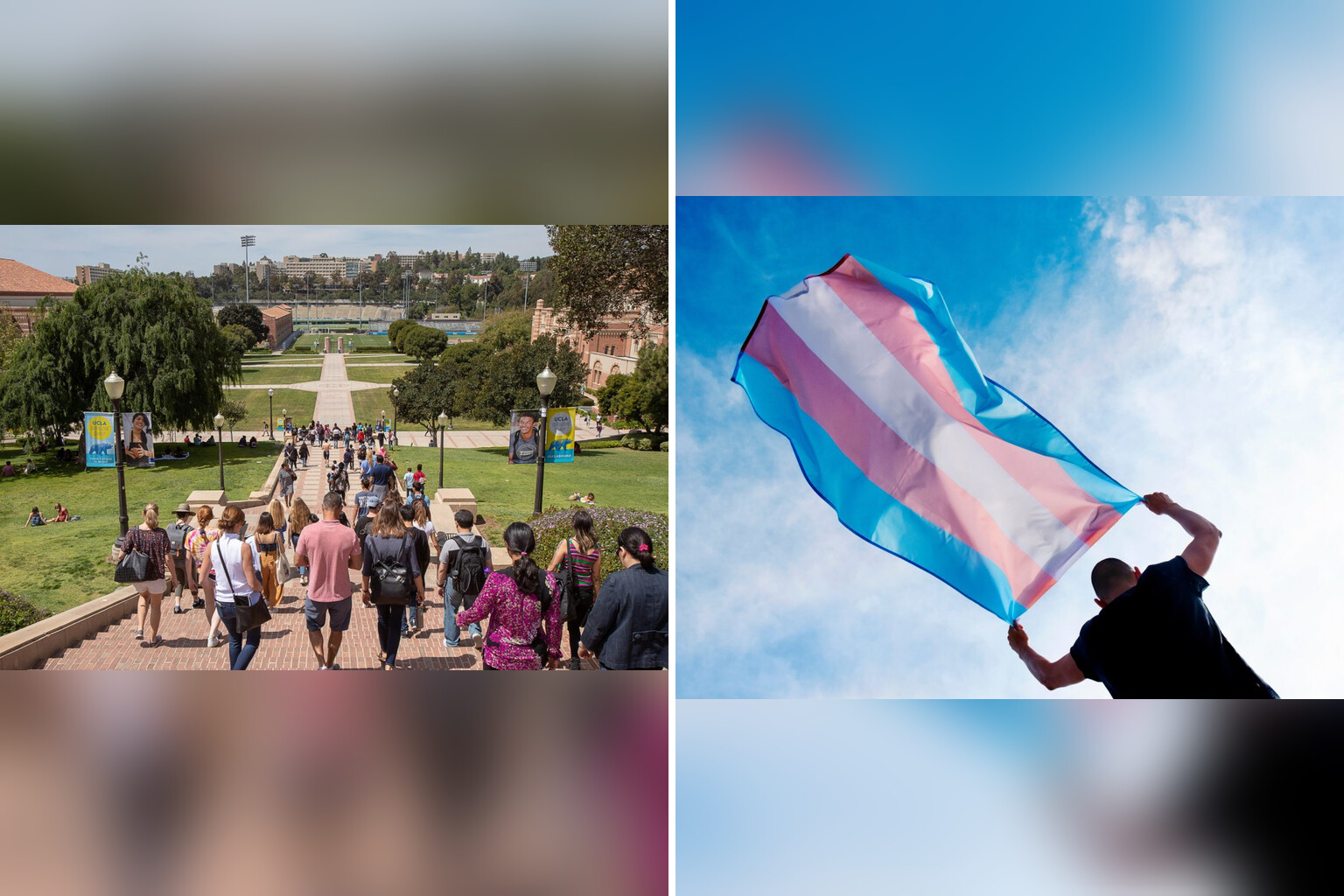
A federal judge has temporarily barred the University of California from punishing members of a conservative student group for using names or pronouns tied to biological sex rather than gender identity.
US District Judge Fred W. Slaughter, sitting in Los Angeles, granted a preliminary injunction last week shielding members of Defending Education while their First Amendment lawsuit against the sprawling university system proceeds. The group, which filed suit in June, argues that UC’s Sexual Violence and Sexual Harassment Policy effectively criminalizes commonplace speech and forces students to choose between their beliefs and their academic standing.
The policy at issue applies across UC’s ten campuses to students, faculty, staff and certain third parties, identifying “the intentional or repeated use of a name or pronoun inconsistent with the individual’s gender identity” as conduct that may constitute harassment. Violations can trigger severe discipline under university rules, including suspension, expulsion, restrictions from campus activities, and in some cases revocation of degrees. University employees are also required to report suspected violations, and the rules extend beyond classroom conversations to online posts and text messages.

Four student members submitted declarations backing the challenge, though they are not individually named as plaintiffs. One UCLA senior said the policy compelled her to “self censor” because using pronouns inconsistent with a person’s sex assigned at birth would violate her religious beliefs, according to the group’s complaint. A UC Irvine student identified only as “Student D” described navigating campus life around the policy’s demands.
“I am often in classes or small groups with people who identify as transgender and have to work hard to avoid pronouns or names in those situations,” the student said in a declaration quoted in the court filing.
Slaughter found Defending Education was likely to prevail on its central claim, writing that UC’s policy “compels speech and is viewpoint-based.” The injunction does not completely invalidate the policy, nor does it prevent the university from enforcing rules against genuinely abusive gender-based harassment. The judge pointed to the hypothetical example of a bully calling a boy “little princess” or “baby girl” as conduct UC could still potentially regulate.

Defending Education President Nicole Neily hailed the ruling as a repudiation of what she termed a “coercive speech policy.”

“It is unconstitutional for public universities to compel student speech, and we will continue to defend this principle in California and other schools across the country as needed,” Neily told the Los Angeles Times.
The university pushed back immediately. UC spokesperson Rachel Zaentz said the rules are “designed to protect members of the university community from discrimination and harassment, not to regulate protected speech.”
“While we disagree with the court’s ruling, UC will always seek to foster a welcoming environment that protects both freedom of expression and the fundamental rights of all members of our community,” Zaentz said in a statement to the outlet.
The group had argued in its lawsuit that the policy’s breadth creates a chilling effect on student discourse. “These students want to engage in speech covered by the SVSH Policy, but they credibly fear that the expression of their deeply held views will lead to punishment,” Defending Education wrote. The complaint also noted that students fear punishment simply for expressing their beliefs about biological sex and gender identity in ordinary conversation.
The underlying federal case will continue as both sides prepare for a fuller constitutional showdown over where anti-harassment rules end and compelled speech begins.