


On July 7, 2026, a San Mateo County judge dismissed all attempted murder charges against Dharmesh Patel, a 45-year-old Pasadena radiologist, after he successfully completed a two-year mental health diversion program. The ruling concluded a high-profile case that has sparked intense debate over whether California’s mental health diversion law should apply to defendants charged with violent crimes like attempted murder.
Patel’s case traces back to January 2, 2023, when he drove his Tesla off Devil’s Slide, a dramatic stretch of Highway 1 between Pacifica and Half Moon Bay in San Mateo County. With his wife, a 7-year-old daughter, and a 4-year-old son in the vehicle, the car plunged approximately 300 feet down the cliff. Miraculously, all four family members survived. Firefighters had to cut them from the wreckage and use helicopters to rescue the parents from the rocky beach below. First responders called their survival an “absolute miracle.”
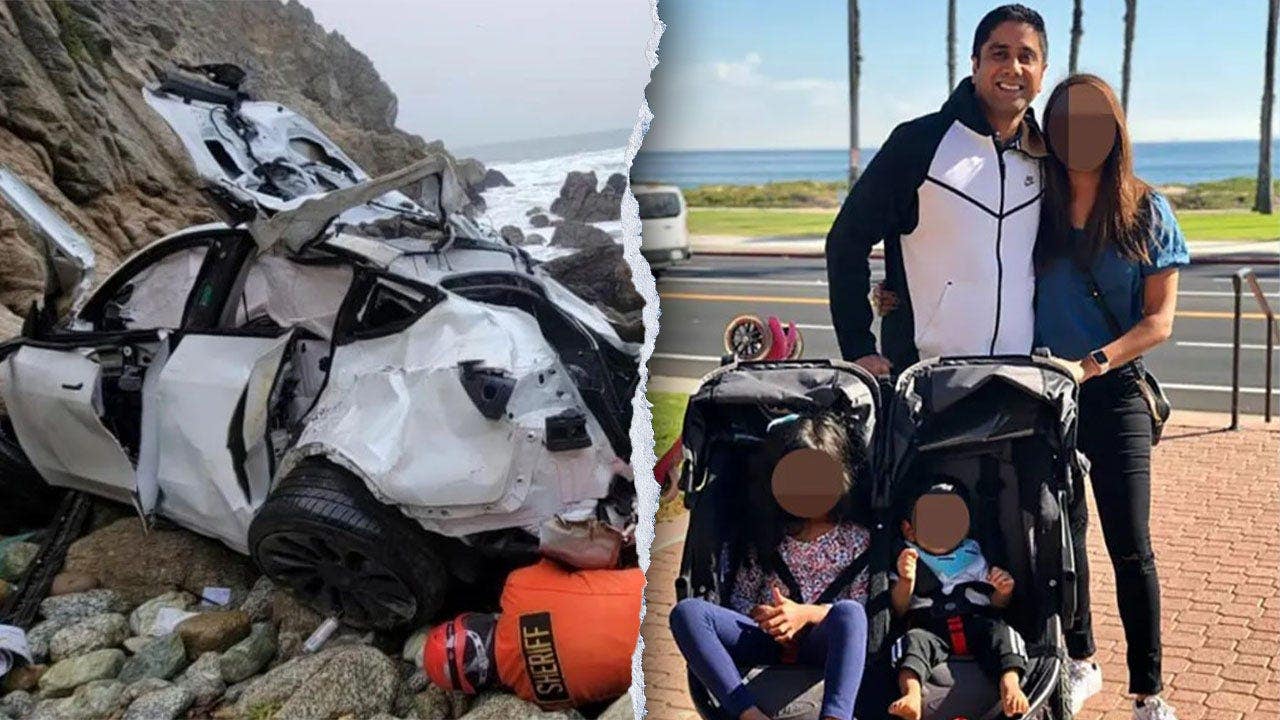
Within days, Patel was charged with three counts of attempted murder. Prosecutors alleged the crash was intentional, not an accident. Shortly after the incident, Patel’s wife told first responders that her husband had said he was going to drive off the cliff and that she believed he had done it on purpose. She stated he was depressed and appeared to have carried out a deliberate act.
However, the narrative became more complex as mental health professionals examined Patel. Psychologists testified that he was suffering from major depressive disorder with psychotic features. During the weeks leading up to the crash, Patel had experienced paranoid delusions. According to prosecutors’ own description during hearings, he heard footsteps at night, feared his children would be sold into sex slavery, carried a knife around for three days, and was consumed by worries about global crises like Russia’s invasion of Ukraine, the fentanyl epidemic, child sex trafficking, and the Jeffrey Epstein scandal. None of this was based on reality. Defense experts argued that Patel experienced a psychotic break driven by depression.
In June 2024, Judge Susan Jakubowski ruled that Patel was eligible for mental health diversion after a three-day hearing. This decision opened the door to an alternative path: mental health treatment instead of trial. Patel was ordered to complete a two-year mental health diversion program while living at his parents’ home in Belmont under GPS monitoring. He was not permitted to leave San Mateo County during the program. His treatment involved working with a psychiatrist and social worker.
The ruling was controversial from the start. San Mateo County District Attorney Steve Wagstaffe opposed Patel’s placement in the diversion program, arguing that he posed “an unreasonable risk of danger to public safety.” Deputy District Attorney Dominique Davis argued that the crash was an intentional act of murder-suicide driven by Patel’s delusions and contended that a misdiagnosis would make treatment ineffective.
However, a critical turning point came during the eligibility hearing when Patel’s wife, Neha, testified in his support. Despite her initial statements to first responders claiming her husband had intentionally tried to kill the family, she told the court that the incident was “a mental health episode beyond any of our understanding or control.” She testified that in their 25 years together, her husband had never experienced such an episode and that now the family understood he had a treatable condition. She described the emotional toll on their children, saying “We need him in our lives. We are not a family without him.” Patel’s defense attorney, Joshua Bentley, argued that no one had testified that Patel posed a danger to society and that he was “a decent human being, with zero criminal history.”
Under California’s mental health diversion law, established in 2018 under Penal Code 1001.36, eligible defendants with qualifying mental disorders can receive treatment instead of facing traditional prosecution. If they complete the program successfully, their charges are dismissed and their arrest records are sealed. The law reflects the view that treatment can be more effective than punishment for people with treatable mental health conditions.
On July 6, 2026, Judge Sharon K. Cho dismissed the three attempted murder charges against Patel. In her ruling, Cho referenced clinical reports from Patel’s treatment providers indicating that he was “doing very well” in the diversion program. With the charges dismissed, Patel’s passport was returned to him, and a no-harassment order was lifted.
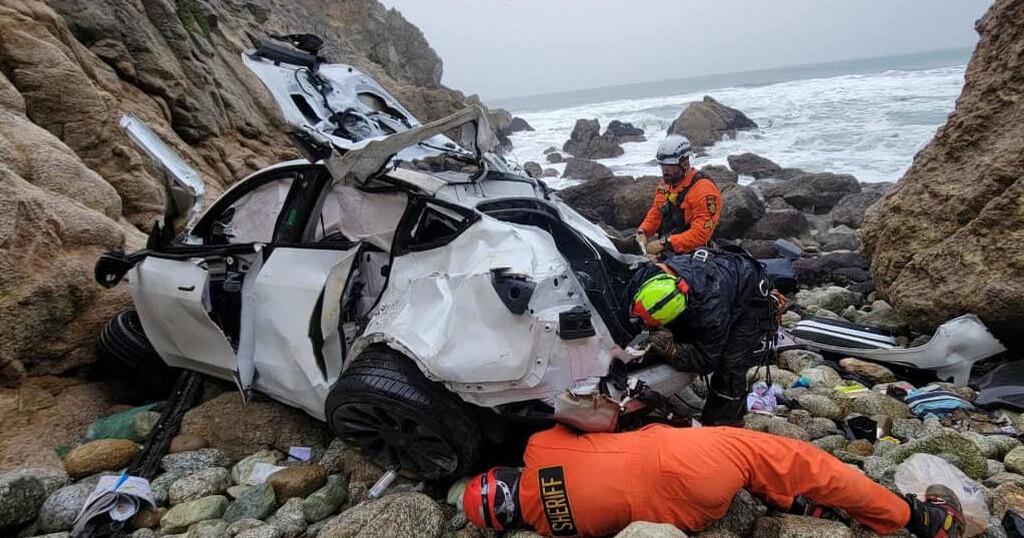
Wagstaffe criticized the decision, telling media outlets that Patel “got the break of a lifetime.” The district attorney expressed frustration with the mental health diversion law itself, saying he wished “the law used more common sense.” He noted that attempted murder requires the specific intent to kill and questioned whether such serious violent crimes should remain eligible for diversion. He acknowledged that his office had testimony from Patel’s wife supporting his release and that this likely influenced the judge’s decision to grant diversion.
The case has fueled ongoing debate about California’s mental health diversion statute and whether it should apply to defendants charged with violent attempted murder. Mental health advocates argue that the program provides an opportunity for recovery and prevents unnecessary incarceration of mentally ill individuals. Prosecutors worry that it may prioritize treatment over accountability for serious violent crimes.
After the hearing, Patel embraced his wife in the courtroom and they left together.