


California’s home insurance crisis has reached suburban neighborhoods previously considered safe from wildfire risk, forcing homebuyers into bare-bones policies with deductibles topping $25,000.
Tech worker Alex Hwang, who was closing on a roughly $700,000 six-bedroom home in Menifee’s Cimarron Ridge development this summer, discovered the squeeze firsthand. The neighborhood sits among scrub and rolling hills rather than the heavily forested terrain typically linked to the state’s most destructive fires. Yet when his closing date approached, conventional insurers refused to provide the comprehensive coverage his lender required.
“I hate the $25,000, but I didn’t really have a whole lot of choice. None of the big-name insurance companies were writing,” he told the LA-based paper.
Hwang turned to a surplus-lines insurer, a largely out-of-state, non-admitted market operating outside many of California’s traditional insurance rules. He said he was unfamiliar with the company now covering his home. “I call it ‘no-name insurance,’ because I have never heard of these people.”
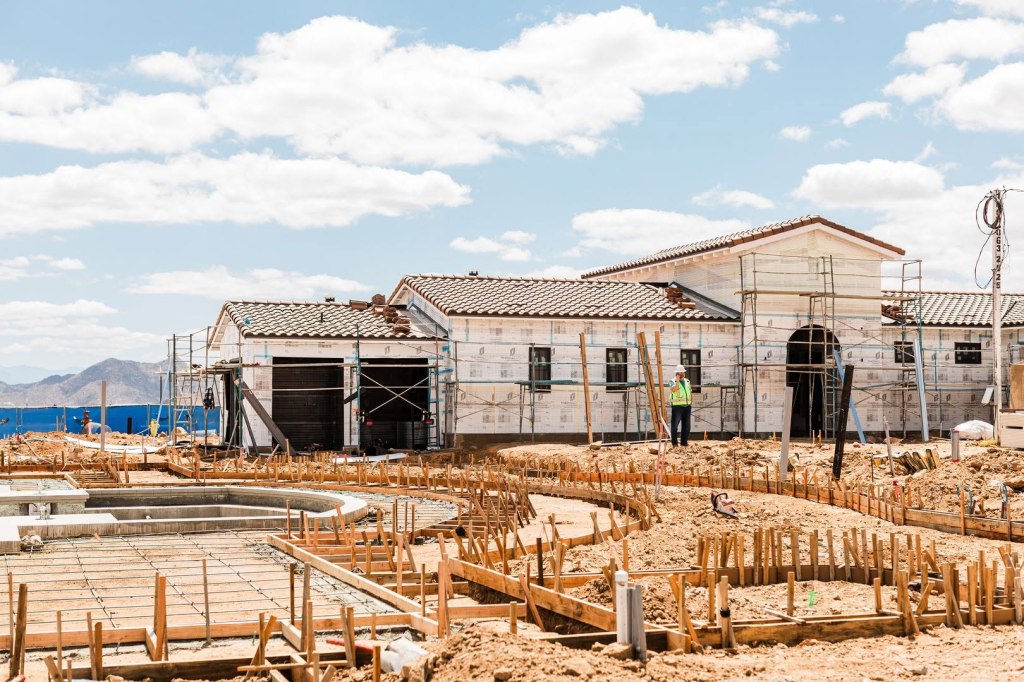
The surge in suburban enrollment is staggering. A Times analysis found that in 396 ZIP codes, nine of every 10 policies added to the state’s FAIR Plan between March 2025 and June 2026 were classified as low-risk. More than 11,000 such homes joined during that period, piled onto 138,000 low-risk properties already depending on the insurer of last resort.
Near Menifee, FAIR Plan enrollment has multiplied fivefold since 2024. Neighboring Hemet saw enrollment explode 660%.
The California FAIR Plan serves as the state’s high-risk “insurer of last resort.” When major carriers refuse coverage, homeowners rely on it for basic fire insurance, though it typically costs more and demands a separate policy for standard risks like theft or water damage.

Another Riverside County buyer, identified only as Louis, faced a similar scramble. “We were panicking,” he said. After rejections from conventional carriers, he and his wife secured a policy carrying a $14,000 fire deductible.

Surplus-lines insurers are rapidly filling the vacuum left by retreating traditional carriers. They now command about 7% of California’s home insurance market, up from merely 1% in 2021, according to Weiss Ratings.
The traditional market has been contracting as major carriers pull back amid mounting wildfire losses, spiraling construction costs and increasingly expensive reinsurance. Since 2015, dozens of major fires have destroyed thousands of buildings and killed hundreds, according to the California Department of Insurance.
State officials have pointed to the scale of recent fires and climbing climate-related risks as primary pressures crushing the insurance market.
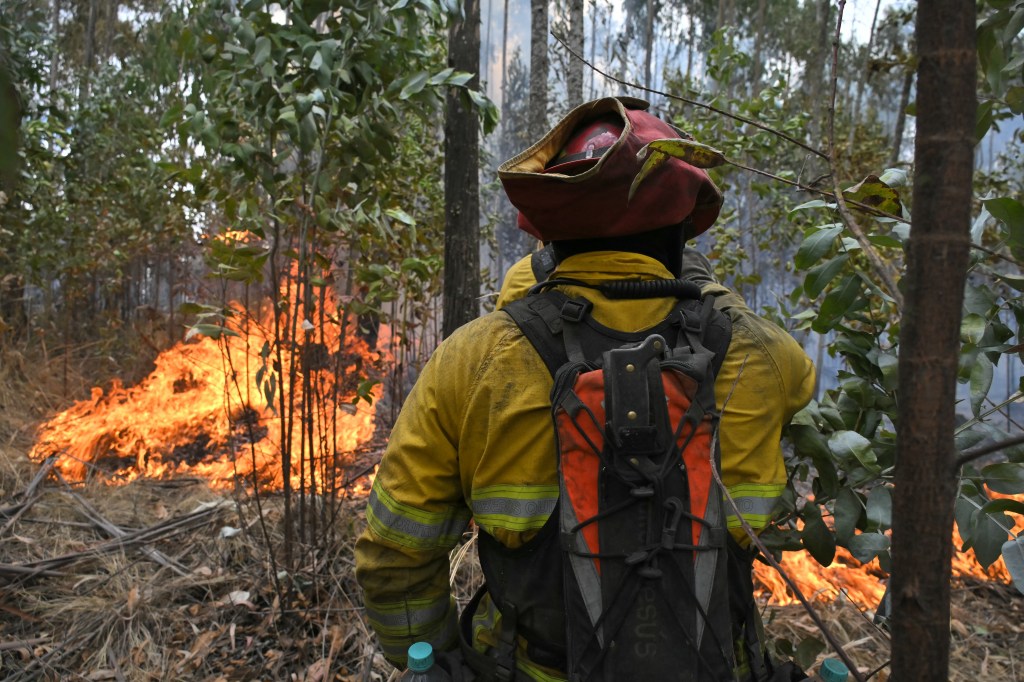
The state has been attempting to halt the retreat. New insurance reforms aim to encourage carriers to write more policies in wildfire-distressed areas while permitting them to factor in catastrophe modeling and reinsurance costs.
Yet the crisis continues spreading into communities never before counted among California’s most dangerous wildfire zones, reshaping what homeownership looks like for suburban buyers across the state.