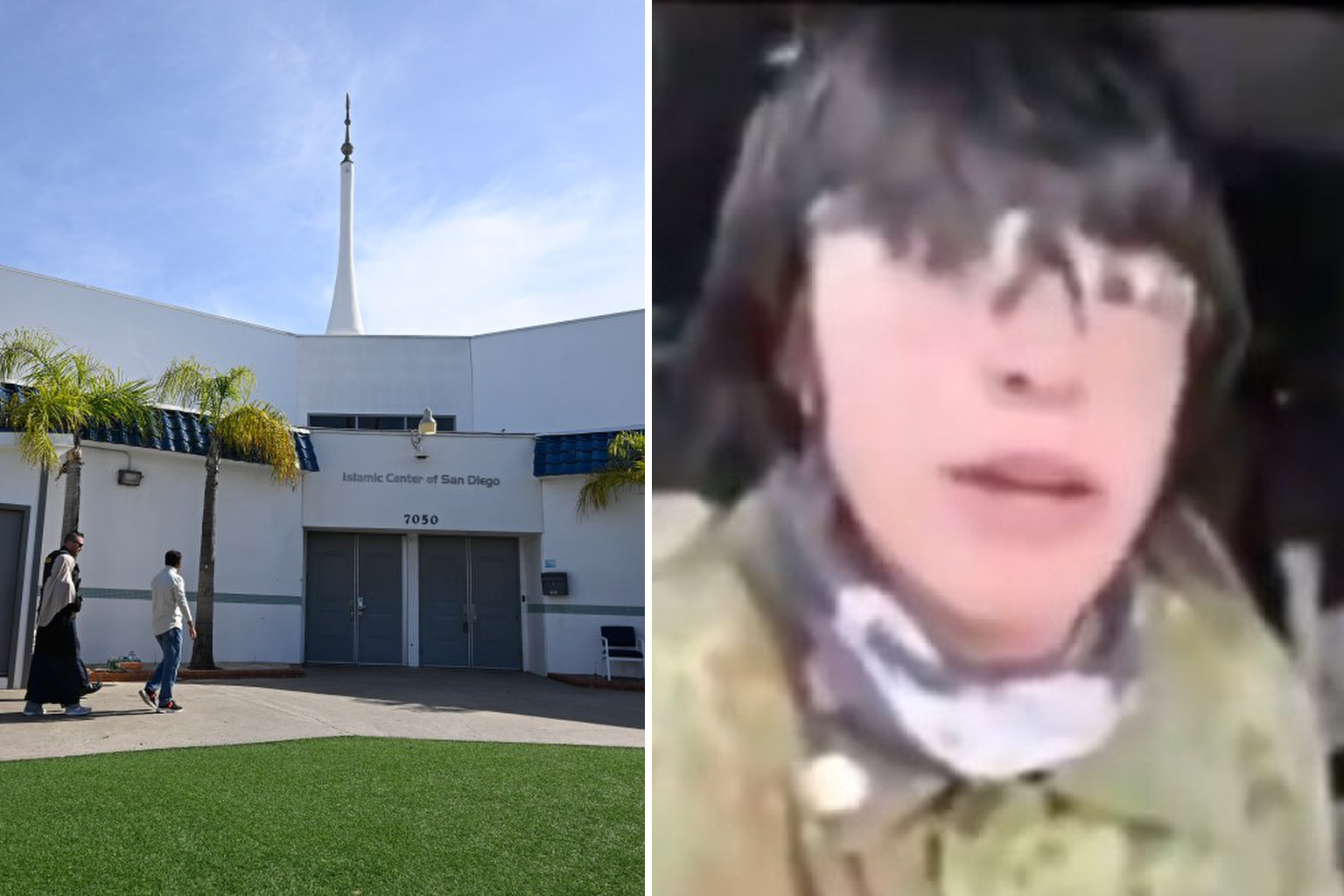
The San Diego mosque where three people were killed by teenage gunmen in May was abruptly placed on lockdown Tuesday afternoon, police announced.
The San Diego Police Department issued an alert around 3 p.m. Stating that the Islamic Center of San Diego “is currently on lockdown out of an abundance of caution.” The department added that officers were stationed at the location and urged the public to stay away. “SDPD has a police presence at the location to ensure everyone’s safety,” the alert read. “Please avoid the area. Additional updates will be provided as information becomes available.”
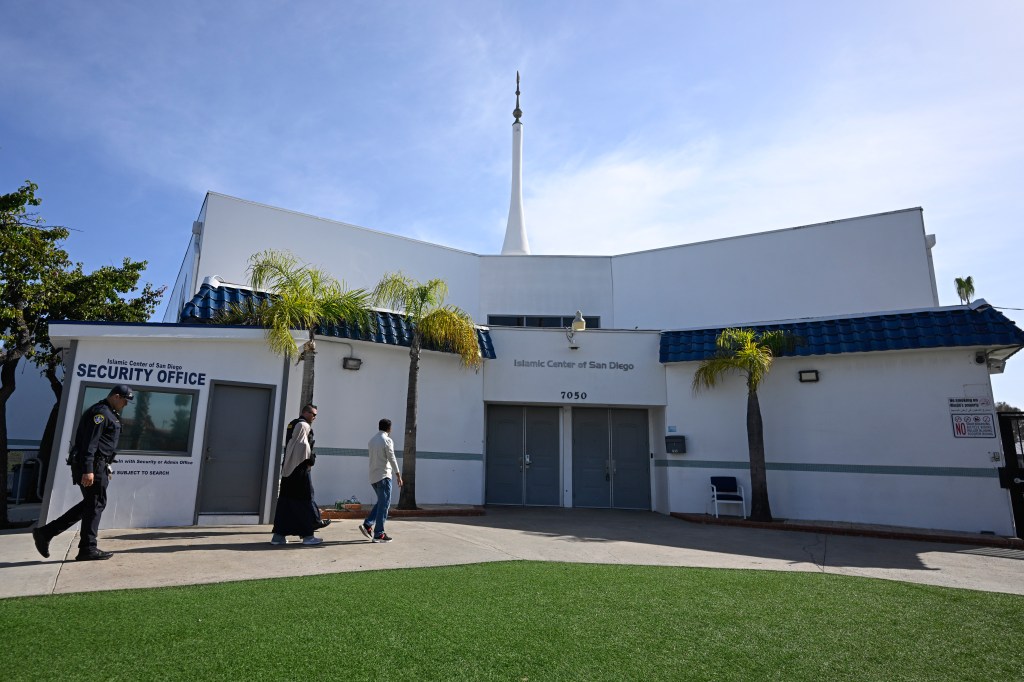
The lockdown came just months after the same house of worship became the scene of a deadly mass shooting. On May 18, two teenage gunmen, Caleb Vazquez and Cain Clark, opened fire at the mosque. The pair had inscribed anti-Muslim hate messages on their weapons before turning the guns on themselves and dying by self-inflicted gunshot wounds, according to authorities.
The May attack left three people dead at the Islamic Center, which serves the Muslim community in the San Diego area. The hate messages scrawled on the attackers’ weapons underscored the targeted nature of the violence against the congregation.
Tuesday’s police presence and lockdown appeared to be precautionary rather than a response to an active threat, based on the department’s wording. The alert emphasized that the measure was taken “out of an abundance of caution,” a phrase commonly used by law enforcement when responding to potential risks or heightened sensitivities at locations with recent traumatic histories.
The Islamic Center of San Diego has continued operations since the May shooting, though the lockdown indicates ongoing security concerns at the site. The police department did not immediately disclose what specific information or circumstance prompted the Tuesday afternoon action.
The May 18 shooting drew national attention to the mosque and to anti-Muslim violence more broadly. Vazquez and Clark, both teenagers, carried out the attack before killing themselves, leaving investigators and the community to grapple with questions of motive and prevention.