


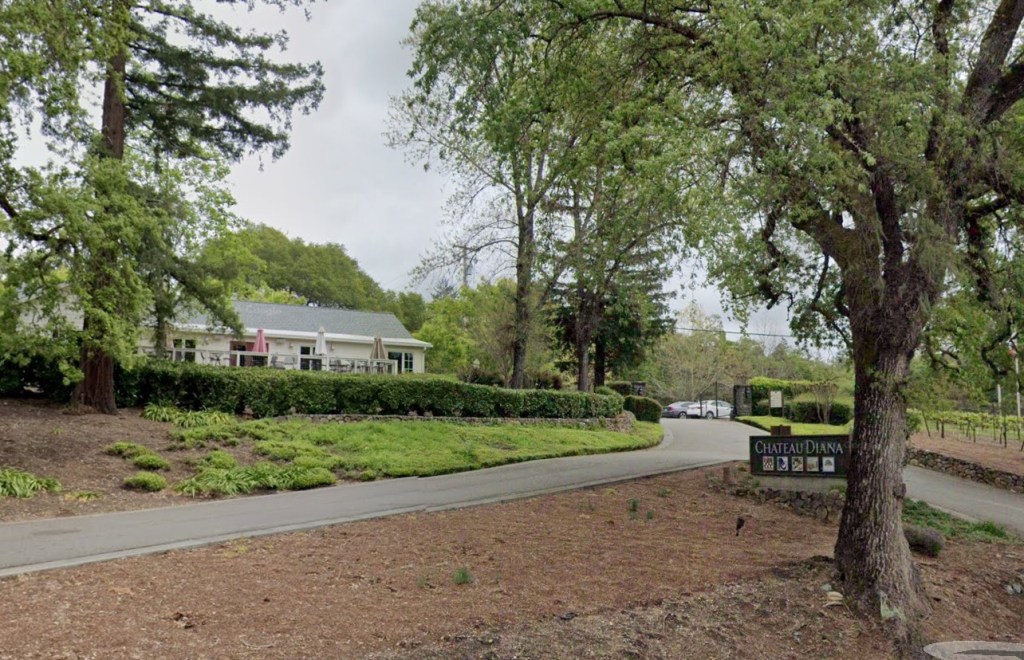
Corey Manning has spoken out after his Sonoma County winery swapped grapevines for a field of sunflowers, drawing national attention to California’s collapsing wine industry.
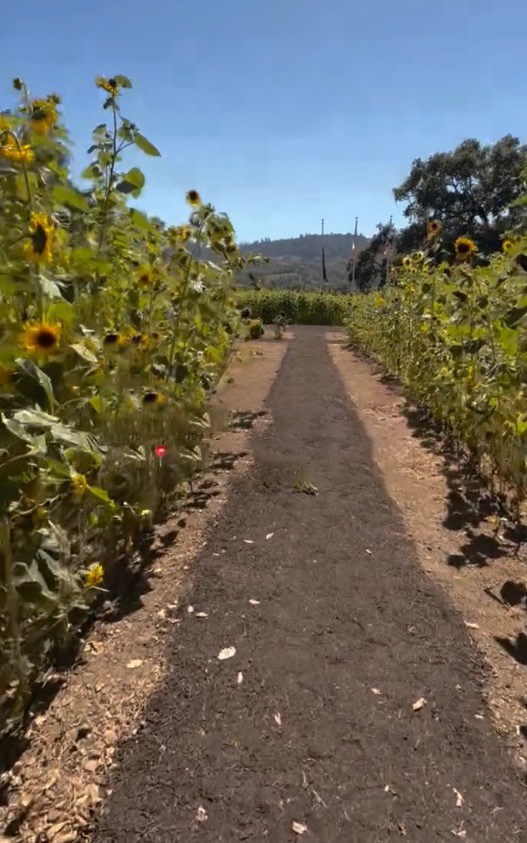
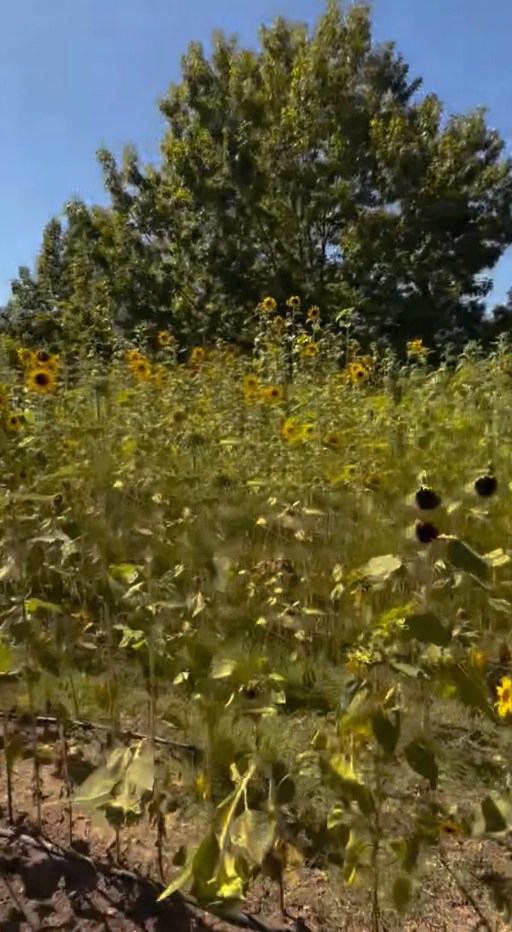
The co-owner of Chateau Diana in Healdsburg, California, removed 1.25 acres of Zinfandel grapes and planted 3,000 sunflowers in their place, a decision he said was driven by both family tradition and harsh economic reality. Manning, who runs the family-owned operation with his wife Emily, inherited his love of flowers from his mother and had been steadily expanding sunflower plots since 2022.

“My wife, Emily, loves sunflowers, so we began planting all different kinds in 2022 and saving the seeds. Each year, we’d grow more and more, so the field got bigger and bigger,” Manning told The Press Democrat. He added that the couple’s personal passion soon merged with a practical need to fill empty land that might otherwise drive visitors away.
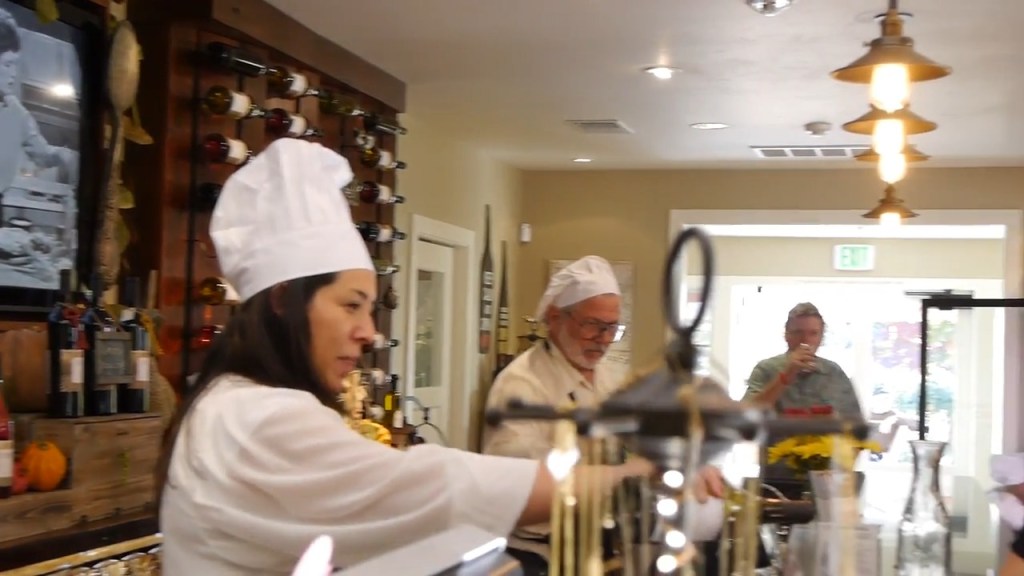
“I figured I would just try it out and see if they liked it. I’ve been shocked to see how excited people are to drink wine among the sunflowers,” Manning continued.
The transformation at Chateau Diana reflects a broader crisis sweeping California Wine Country. Between October 2024 and August 2025, 2,711 acres of vines were ripped out in Sonoma County alone, according to industry data. Statewide, the destruction reached 38,134 acres over that same ten-month period.
Manning did not want customers arriving at his property to encounter yet another barren field, a sight that has grown depressingly familiar across the region. The sunflower installation offered what he called an “Instagrammable” experience, allowing guests to sip wine surrounded by vivid blooms rather than struggling vines.
The business pivot also targets a demographic challenge facing traditional wine culture. Manning sought to make the conventional tasting experience feel fresh and distinctive for younger consumers who have been drifting away from established wine-drinking norms. The flower field creates a shareable, event-like atmosphere distinct from the more formal tastings of previous generations.

Chateau Diana itself dates back to 1981, when Manning’s parents founded the operation. The decision to sacrifice productive grape acreage for ornamental agriculture would have been unthinkable in earlier decades of California’s booming wine economy.
Manning’s agricultural reach extends beyond wine and flowers. Since 2008, he has cultivated approximately 10,000 pounds of fresh produce annually for Farm to Pantry, a local nonprofit that distributes food to families facing food insecurity in the Healdsburg area.
The sunflower field represents a convergence of these threads: family heritage, community service, adaptive business strategy, and response to an industry in freefall. Where other vineyard owners have simply walked away from untenable operations, Manning has attempted to reimagine what a winery property can offer.
The California wine industry, long a multibillion-dollar economic engine and tourism draw, has faced mounting pressures from climate disruption, shifting consumer preferences, international competition, and post-pandemic market corrections. The acreage removal figures from late 2024 through mid-2025 suggest the contraction is accelerating rather than stabilizing.
For Manning, the sunflower gamble appears to be paying off in visitor enthusiasm, even as it underscores how far the industry has fallen from its peak. What began as a modest domestic project between husband and wife has become a symbol of agricultural improvisation in the face of decline.

Chateau Diana continues operations in Healdsburg as Manning monitors whether the floral attraction can sustain the business through an uncertain period for California wine growers.