

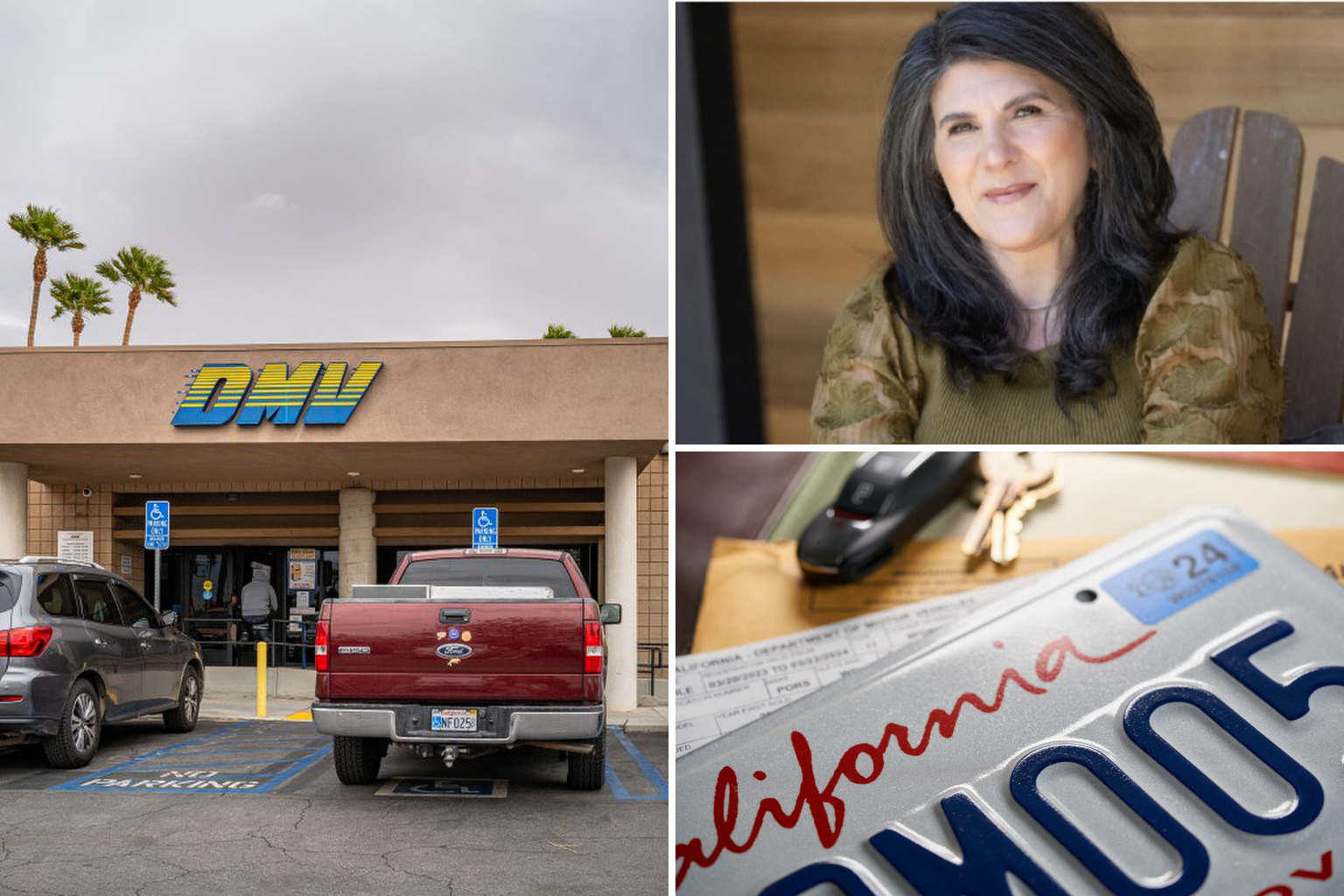
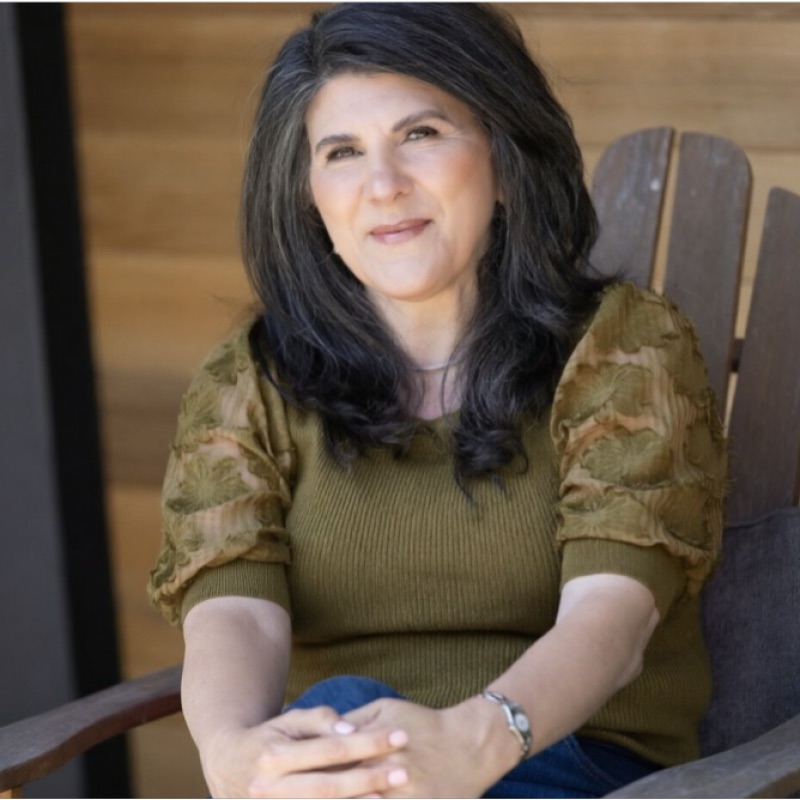
Iasmine Abdennabi has taken the California DMV to federal court after the agency recalled her vanity plate reading “RVRTSEA.”
Abdennabi, a Bay Area corporate lawyer and wellness brand founder, applied for the plate in December 2023 and finally received it in May 2024. The configuration references the pro-Palestine slogan “From the river to the sea,” which describes the geographic area between the Jordan River and the Mediterranean Sea encompassing Israel, the West Bank and Gaza Strip.
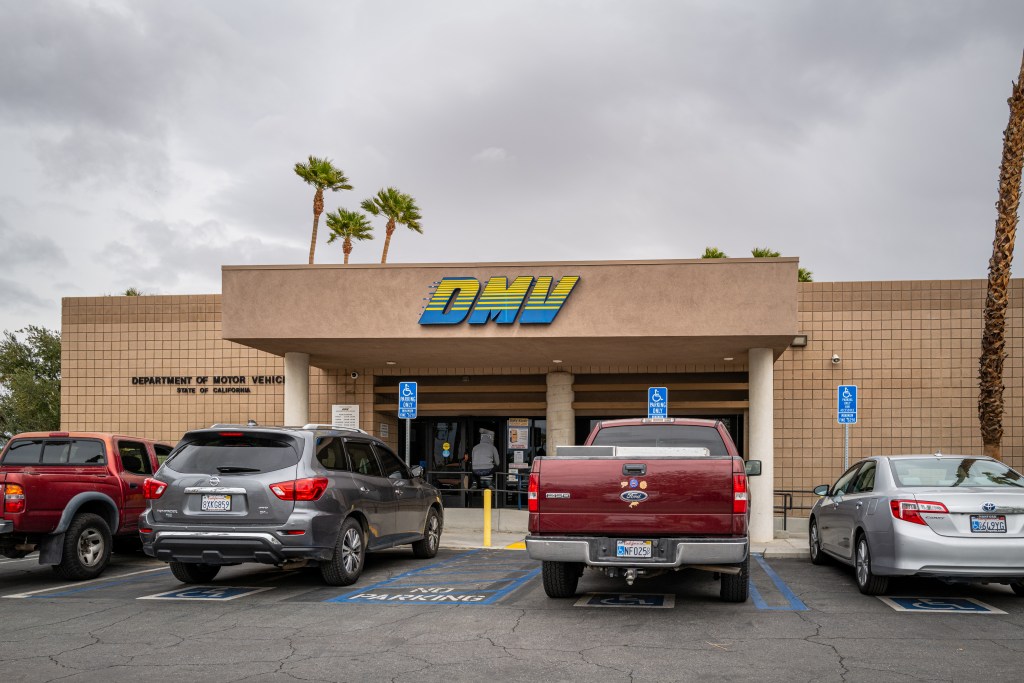
The DMV moved to yank the plates in October 2025 after multiple drivers filed complaints. One motorist wrote to the agency, “I was shocked that (the DMV) would have issued this. It supports terrorism and encourages violence,” according to records cited in her lawsuit. The DMV’s own records showed the agency viewed the phrase as something that could be “interpreted as racially or ethnically degrading and negative.”
An administrative law judge ruled in favor of the recall, pushing Abdennabi to escalate the fight to federal court on First Amendment grounds. Her attorney, Michael Millen, told the San Francisco Chronicle that she has a high chance of succeeding and pointed to similar past cases. The plates remain on her vehicle for now.
In her lawsuit, Abdennabi stated the vanity plate was meant to express support for human rights “for all persons living between the Jordan River and Mediterranean Sea.”
The slogan has sharply divided public interpretation. Pro-Palestine activists describe it as a call for freedom from oppression, while Jewish groups have criticized it as antisemitic for implying the elimination of Israel. Abdennabi’s own pro-Palestine views appear in public records: her name appears on an open letter by Law For Palestine calling for Israel to be unseated from the United Nations General Assembly.
California’s DMV maintains broad authority to reject personalized plates. According to the agency’s manual, it “must refuse any personalized license plate configuration that may carry connotations offensive to good taste and decency, or which would be misleading,” including requests that “has a negative connotation to a specific group.” The agency has rejected thousands of applications for reasons ranging from duplication to obscenity, sexual references and policy violations.
Both the DMV and Abdennabi declined comment to the Chronicle when reached. Millen, her attorney, continued to press the First Amendment argument in his comments to the outlet.
The lawsuit lands in a charged atmosphere, filed just two months after the deadly Hamas attack on Israel that sparked the ongoing Israeli-Gaza conflict. Abdennabi’s December 2023 application came as that war dominated headlines and intensified debates over speech related to the region.
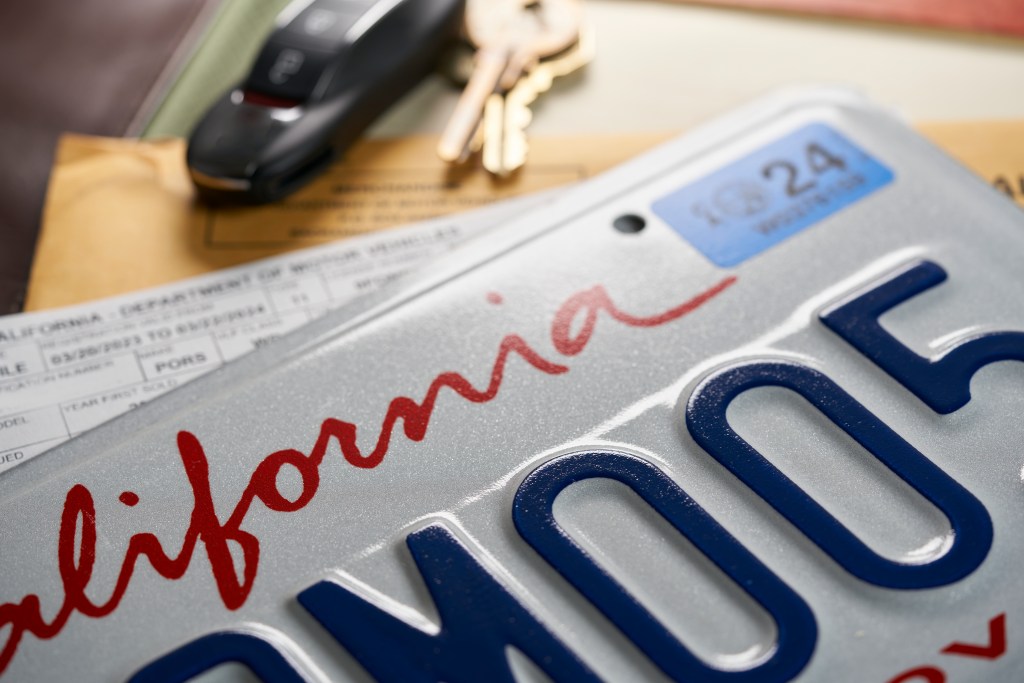
The case now tests whether a state’s vanity plate program constitutes government speech that can be restricted, or a forum where private viewpoints receive constitutional protection. Similar disputes have reached courts in multiple states, with mixed results depending on how judges classify license plate messaging.