

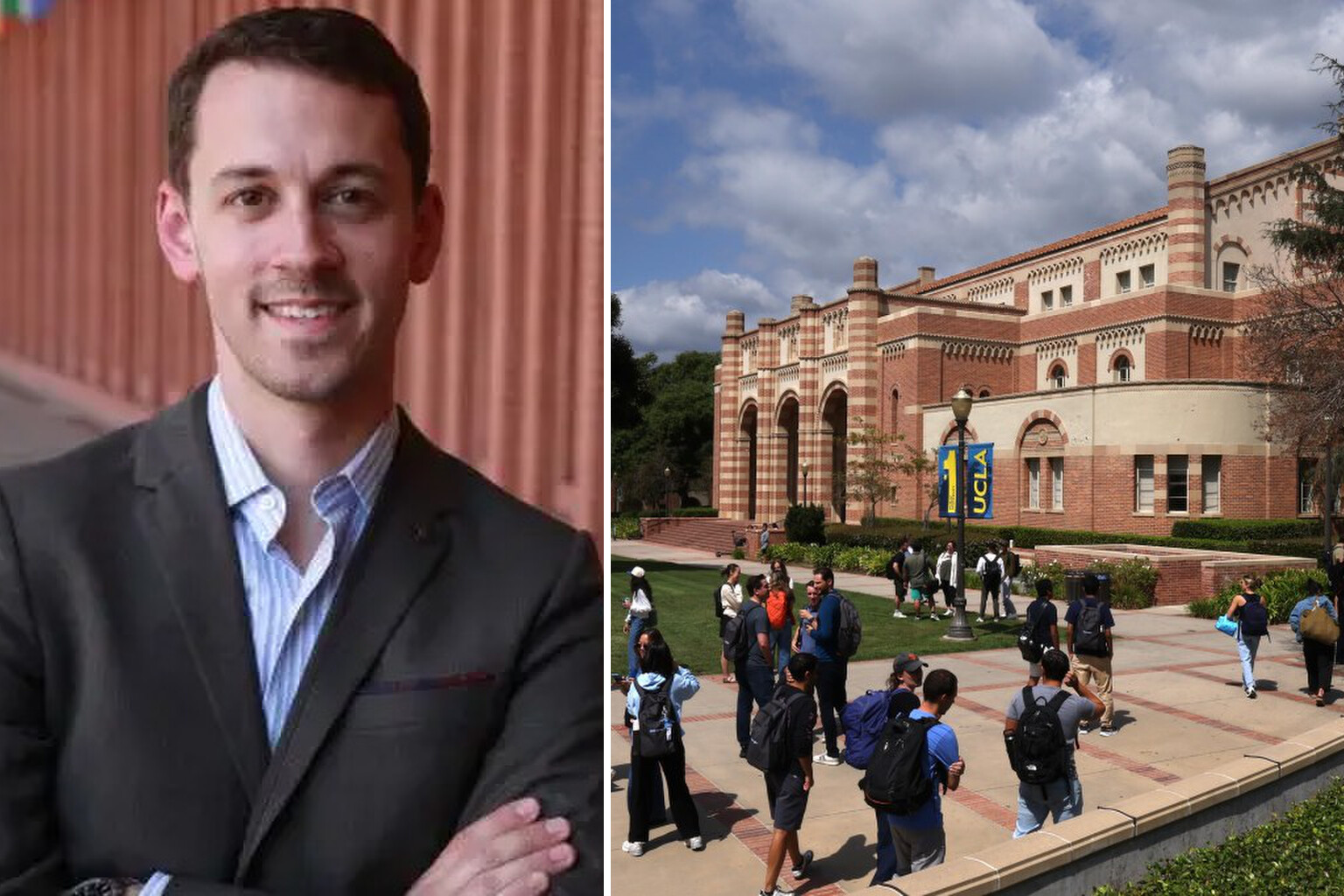
California professors are revolting against AI-driven cheating with paper exams and in-class grading.
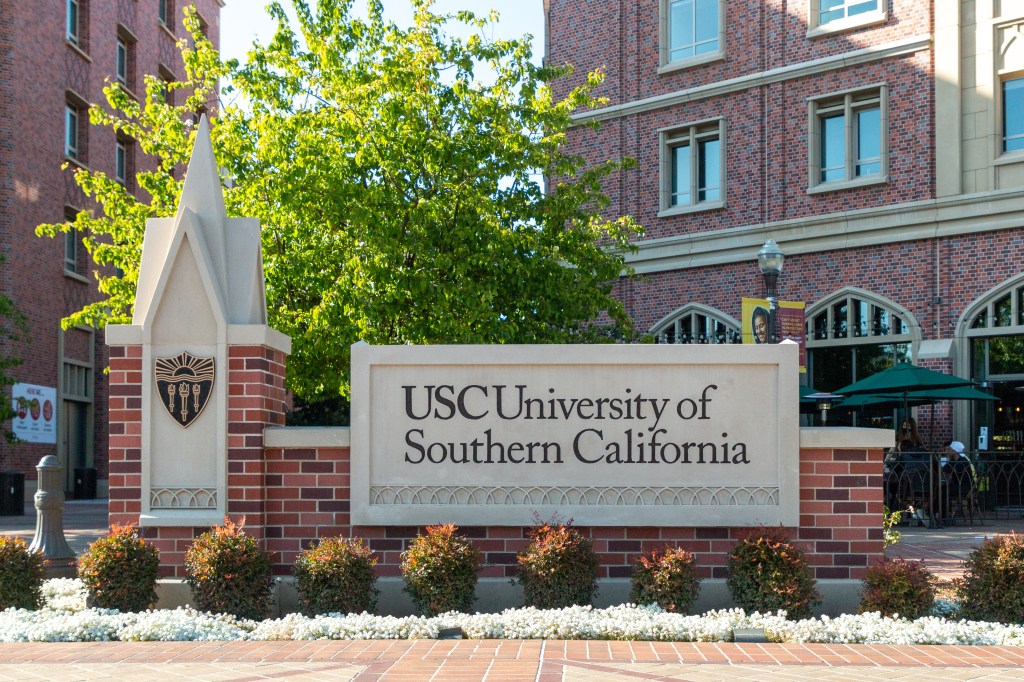
Morgan Polikoff, a professor of education at USC Rossier, is on leave but already planning to shift his undergraduate assignments to sit-down, paper-and-pencil tests. He told the California Post that the technology has been forced on educators without adequate preparation.
“The technology has been shoved down all our throats and we’re all just dealing with the fallout,” he said.
Polikoff caught a freshman using AI to write a paper two years ago, after he had explicitly banned it. He said the violation was easy to spot, and the student admitted it when confronted. Polikoff made the student rewrite the paper from scratch.
“I don’t see any point at all in a student completing an assessment by running it through AI and handing in to me whatever it spit out for them—that is a waste of my time and theirs,” he said.
He added that broader changes are needed across higher education.
“I think in general we will need more standardized and AI-proof measures of everything, both in college admissions and once students are enrolled at university,” he said. “It’s become increasingly difficult to know what anyone knows and can do, and that signal is important.”
USC leaves AI policies to individual instructors, and Polikoff said his PhD program is currently debating a program-wide rule. The university spends roughly $3.1 million annually on a ChatGPT Edu subscription covering 80,000 users. Polikoff dismissed the expense as “pennies” compared to USC’s football coach salary.
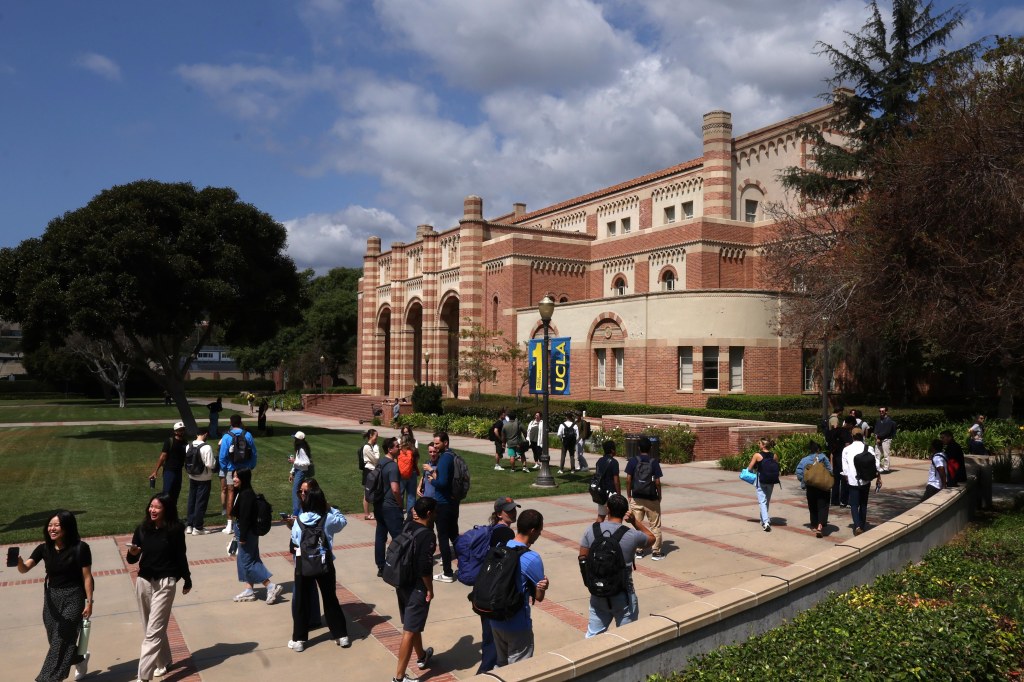
At UCLA, statistics and data science lecturer Thomas Maierhofer has developed a split approach that combines restrictions with innovation.
“All exams are in-person on-paper exams without the use of phones or laptops. All work done outside of the classrooms like homework and labs are graded on completion,” he said.
Maierhofer is building ALISSTAIR, a custom chatbot designed to support student learning. He said his exam policy serves as the accountability mechanism.
“As long as the exams are in-person and on-paper students are only hurting themselves if they use AI to cheat instead of using it to enhance their own learning,” he said.
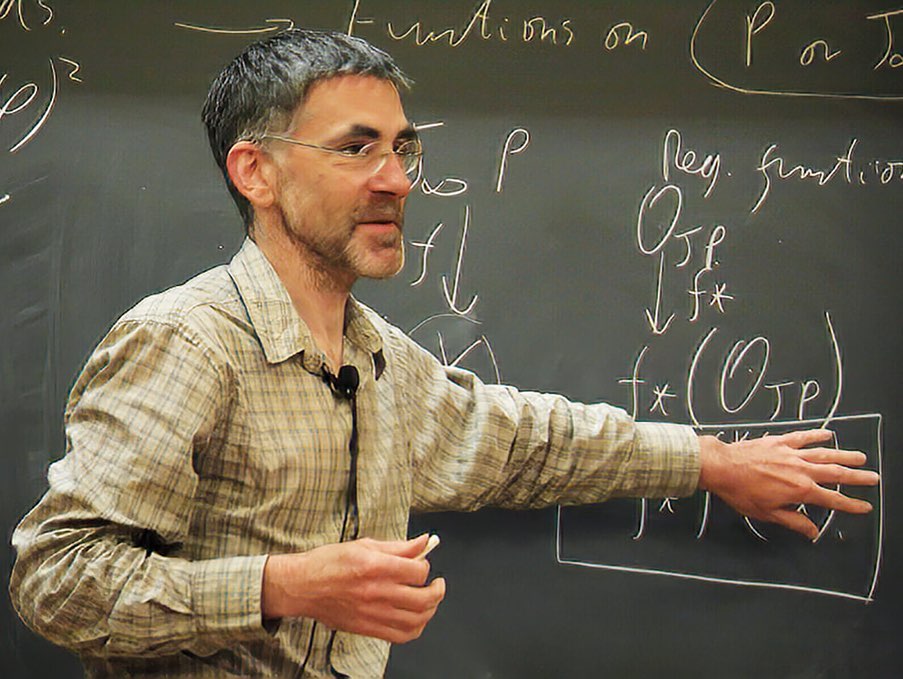
UC Berkeley math professor Richard Borcherds, whose decision to stop grading homework for correctness drew attention this fall, now bases grades primarily on in-person exams with no electronic devices permitted.
“Online exams are now a waste of time as several students just use AI to answer the questions,” he said. “I cannot tell which students are using AI, but I notice the average score increases a lot in online exams.”
The University of California system allows individual campuses and programs to implement stricter AI regulations, particularly around admissions and academic integrity.
Stanford Law School professor Julian Nyarko takes a more optimistic view of AI’s educational potential, though his confidence lies more with technology than with human instructors.
“I think AI has tremendous potential. I think many humans are not great teachers. So I’m skeptical of human capability, more so than I am overly enthusiastic about AI capabilities,” he told the California Post.
In a study Nyarko led this year, 16 law professors blindly rated answers to common student questions and preferred Google’s AI over their own colleagues’ responses 75% of the time. The researchers noted the study measured answer quality, not whether AI tutors improve long-term student learning.
Nyarko cautioned that improper use undermines education.
“There’s a way to use AI that will harm students, an irresponsible use, which is basically, just write this paper for me or solve this question for me,” he said.
He noted that many of his colleagues previously assigned take-home exams lasting up to eight hours. Now, with rare exceptions, they have abandoned the practice due to AI cheating concerns.
Restricting student access is unrealistic, Nyarko argued, since most already have AI tools available.
“AI will require significant change in how we do things,” he said. “We’re basically moving from a world where we kind of thought we knew how education works reasonably well, to a world where we don’t know how to best educate students. We have access to AI, and that requires a lot of figuring out.”
Stanford provides all students free access to ChatGPT, Gemini and Claude through a pilot program running until August 2027. Unless an instructor imposes stricter rules, students may use AI for learning assistance but cannot submit its output as their own work.
The conflict has entered California’s political arena ahead of next week’s election for state schools chief. Republican candidate Sonja Shaw, running for Superintendent of Public Instruction, argued that excessive AI dependence strips students of skills that colleges and employers require.
“More AI-assisted work and grade inflation made it easier to disguise who actually learned the material and who didn’t,” Shaw said. “Objective testing remains the best means to measure student skills in an environment where they can’t simply rely on ChatGPT to do the work for them.”
She likened AI to calculators: potentially useful tools that become dangerous without foundational understanding.
“AI should, at best, be viewed like the calculator: it may eventually be useful as a tool, but can be dangerous if you don’t first understand the foundation of what it’s helping you accomplish,” she added.
California voters will choose the next Superintendent of Public Instruction on November 5.