

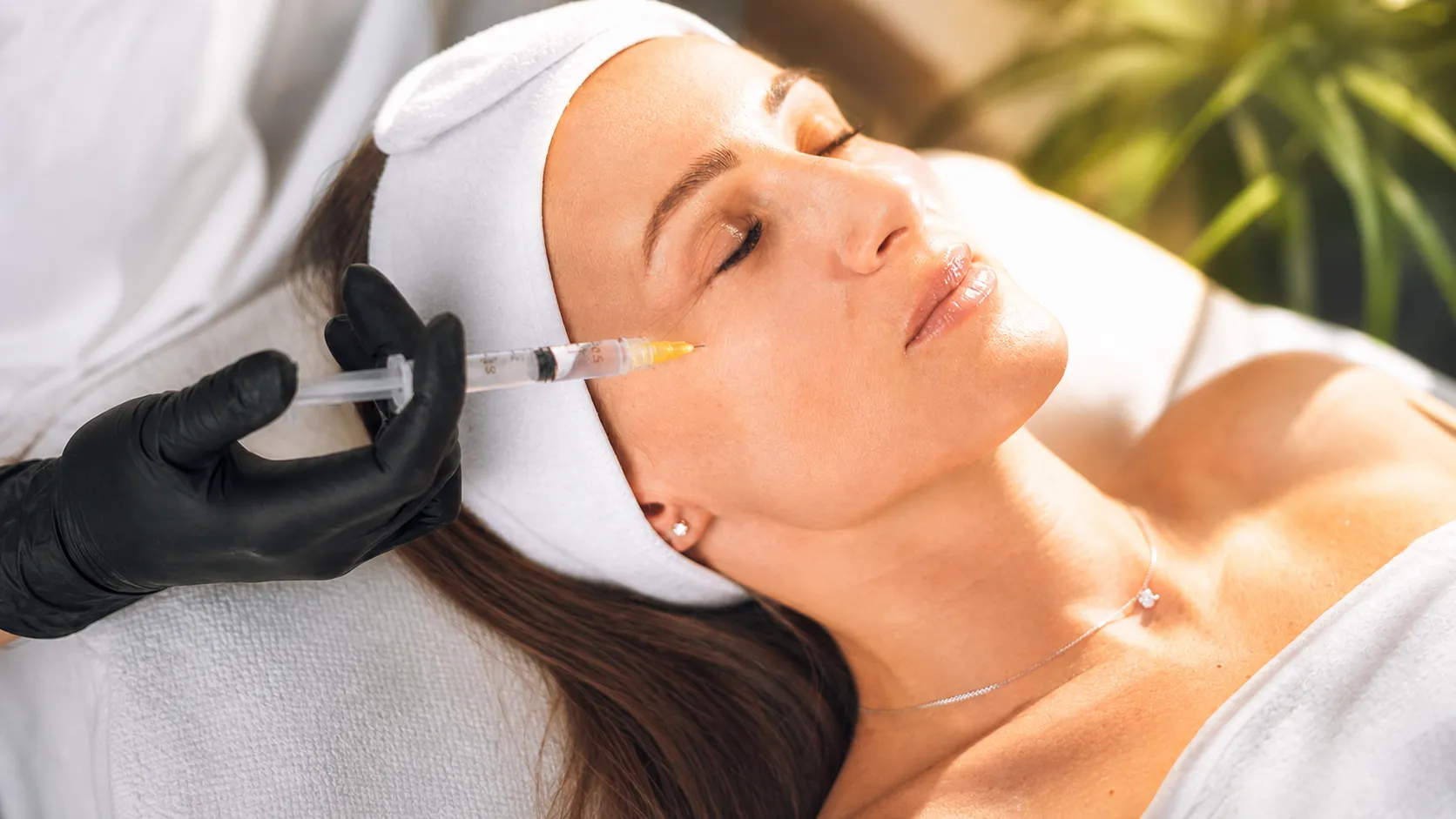
A cosmetic doctor has responded to online claims suggesting extreme heat can affect botox.
As summer temperatures climb, so do warnings and rumors about what hot weather can do to the body and to cosmetic treatments.
There is a real need to take high temperatures seriously, especially because excessive heat can increase the risk of dehydration, heat exhaustion and heatstroke.
At the same time, social media has been filled with questionable posts about fillers and botox, including suggestions that heat can interfere with results or even cause the product to melt.
Those claims have prompted medical experts to weigh in after some people said their treatments had been negatively affected by hot weather.

Doctors have now made clear that these rumors are false, saying properly injected botox is not altered by hot weather in the way many posts have suggested.
Cosmetic dermatologist Dr Melanie Palm said the online speculation does not reflect how the treatment actually works.
“Hot weather itself does not change how Botox works once it has been properly injected,” she told the outlet.
That comes down to the way botox functions inside the body.
“Botox and other neuromodulators work at the neuromuscular junction, where they temporarily quiet the muscle activity that creates dynamic lines,” she said.
“The outside temperature is not going to ‘melt’ the product or make it behave differently in the skin.”
Botox is a prescription botulinum toxin product that relaxes targeted muscles, and it is also FDA-approved to treat severe underarm sweating. In cosmetic use, it is placed into specific muscles rather than left sitting near the surface, which is why normal summer weather does not liquefy it or undo the treatment.
However, that does not mean warmer weather has no connection to the treatment at all. According to Dr Palm, some people may notice a different effect during hotter days.
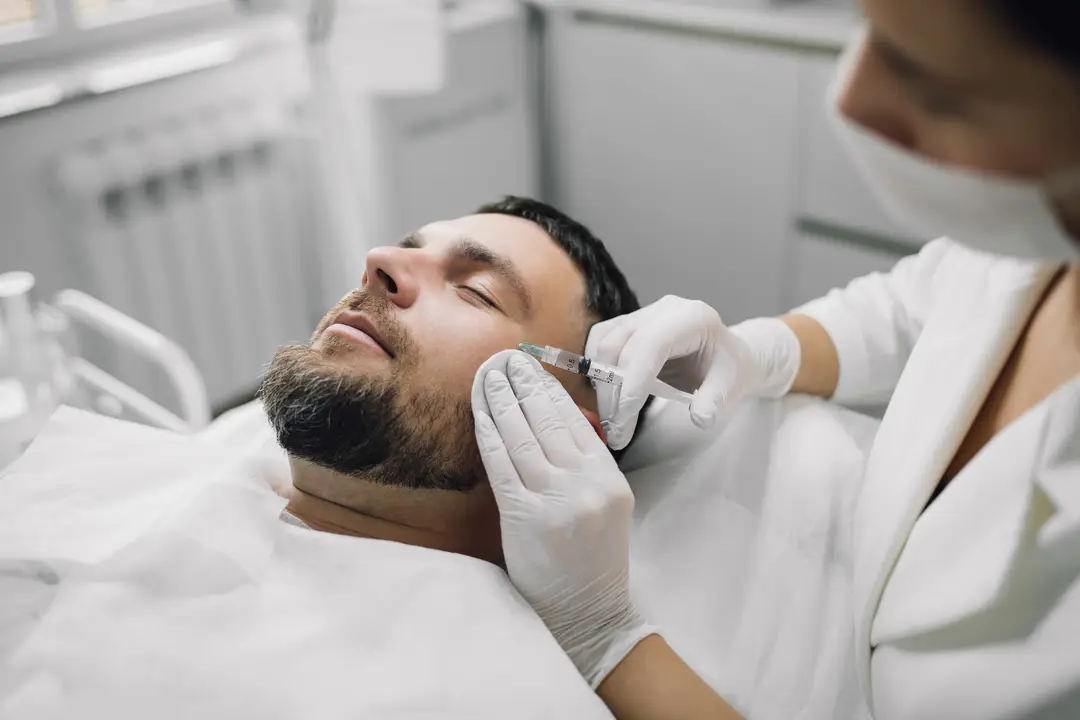
She explained that botox can reduce activity in sweat glands, which may lead to less sweating in areas that were treated.
“So patients may be pleasantly surprised that they have less sweating on the forehead or other treated areas of the face during hot weather,” the doctor explained.
Dr Palm also shared a few aftercare tips for anyone who has recently had injections.
She advised people not to ‘rub or massage the treated area’ and to ‘be gentle if they are applying skincare or makeup’
“Patients can still go about their day, but I would keep it low–key: stay cool, hydrate, wear a broad–spectrum sunscreen, and avoid anything that causes significant flushing or sweating right after the appointment,” she advised.
That advice lines up with standard injector guidance, which typically recommends avoiding intense exercise, saunas, steam rooms and heavy facial manipulation for the first day after treatment. For fillers, heat does not make the product “melt,” but it can worsen temporary swelling or redness, especially right after injections.
Experts also say the biggest risk in summer is not the weather affecting the filler or botox itself, but what people do around it: lying down too soon after treatment, pressing on the area, or exposing freshly injected skin to intense heat and sun before it has settled.
For that reason, patients are usually told to choose an experienced medical injector, follow the aftercare plan closely, and seek advice quickly if they notice unusual pain, significant swelling, skin color changes or vision symptoms after any injectable treatment.