


Four cancer specialists have highlighted a handful of lesser-discussed warning signs that can be easy to dismiss.
The American Cancer Society estimates that 2.1 million people in the US will receive a cancer diagnosis in 2026, and around 626,000 Americans are expected to die from the illness.
That equates to roughly 5,800 new diagnoses and 1,720 deaths each day.
With figures like these, knowing what to watch for matters — particularly symptoms that can be mistaken for more routine, less serious problems.
In many cancers, picking up changes early can make a significant difference.
In an interview with The Telegraph, four doctors shared signs they believe people frequently overlook, along with guidance on when to seek medical advice.
Lung cancer remains one of the most common cancers in the US, and one expert said recurrent infections can sometimes be an important clue.
Professor Robert Rintoul, from the University of Cambridge, noted that a tumour may obstruct an airway, which can lead to chest infections.

He explained to the Telegraph: “Repeated chest infections is something I commonly see and often isn’t appreciated [as a cancer symptom] in the same way as a persistent cough.
“The lungs constantly clear themselves out by moving mucus into the back of your throat. You swallow these secretions all the time without realising.”
He stressed that most chest infections are not caused by lung cancer, but said repeated bouts or infections that linger should be taken seriously.
“If it’s slow to clear up or it is the second or third chest infection in the last year or so, then it should start ringing alarm bells,” the professor added.
He said anyone worried should speak with their GP, and may ask about a chest X-ray or a CT scan.
For breast cancer, many people think first of a noticeable lump — but doctors say other, subtler changes can also be significant.
Dr Alicia Okines pointed to changes in texture that may occur with lobular breast cancer, which is the second most common form of breast cancer.
“Women may just notice that the breast feels a bit thickened or the nipple is a bit flatter or inverted, which are quite subtle changes,” the health professional said.
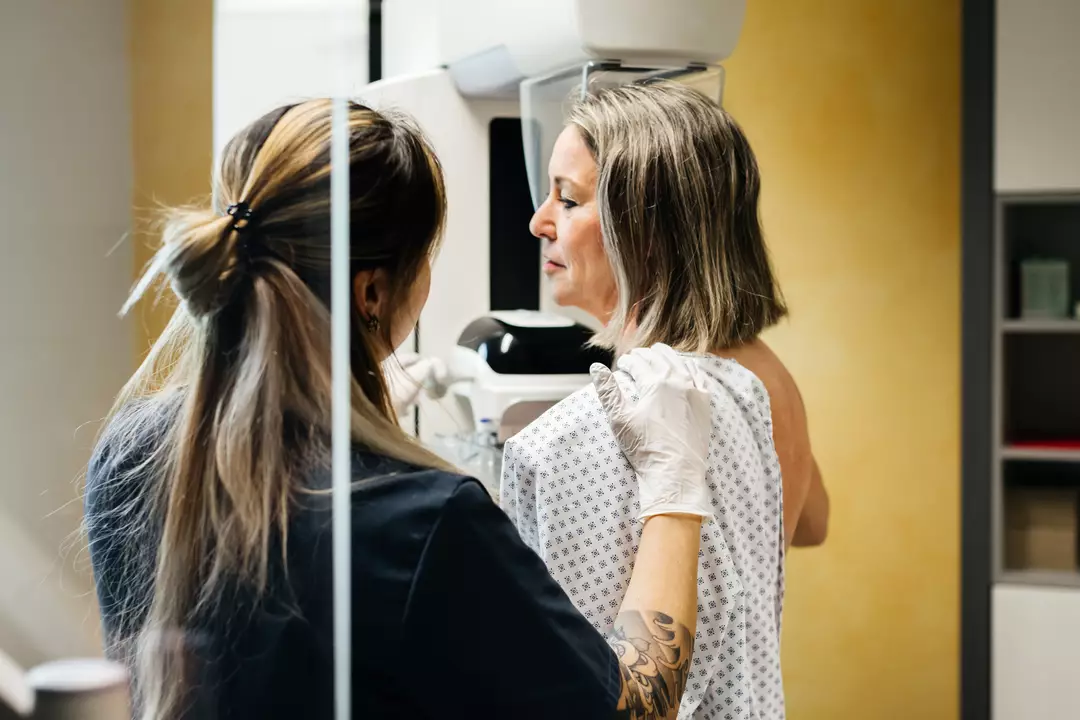
“When they self-examine, they can’t feel a lump as such, so it doesn’t always get investigated quickly, and [the tumour] can cover quite a large area by the time it becomes noticeable.”
If you spot a new or sudden change in how the breast feels — even without a clear lump — Dr Okines recommends arranging a doctor’s appointment.
Bowel cancer is also among the more common cancers in the US, and recent years have seen growing concern about increasing diagnoses in younger people.
Surgeon Shahnawaz Rasheed said looser stools that persist “over a couple of months” should be assessed, rather than written off.

Rasheed explained to the Telegraph: “Generally, people think it must be haemorrhoids or irritable bowel syndrome. They justify the symptom because no one really thinks they have cancer. They think of all the 100 reasons why they probably don’t. The only way of knowing is by doing the test to exclude it. You can’t ignore new symptoms.”
As with any ongoing or unfamiliar change, he advised speaking to a GP and having appropriate tests to rule out serious causes.
Finally, urologist Declan Cahill said prostate cancer can sometimes make people feel generally unwell as it progresses — though this may happen gradually.
“Even aggressive prostate cancer has a doubling time of two years,” Cahill explained. “It creeps up on people, and they tend to feel rubbish, slowly.”
He added: “People who present late with prostate cancer also have bone pain – often hip pain and back pain – that doesn’t go away.”
To help reduce risk, Cahill advises men aged over 50 to ask about a prostate-specific antigen (PSA) test, which can help determine whether prostate cancer may be present.