

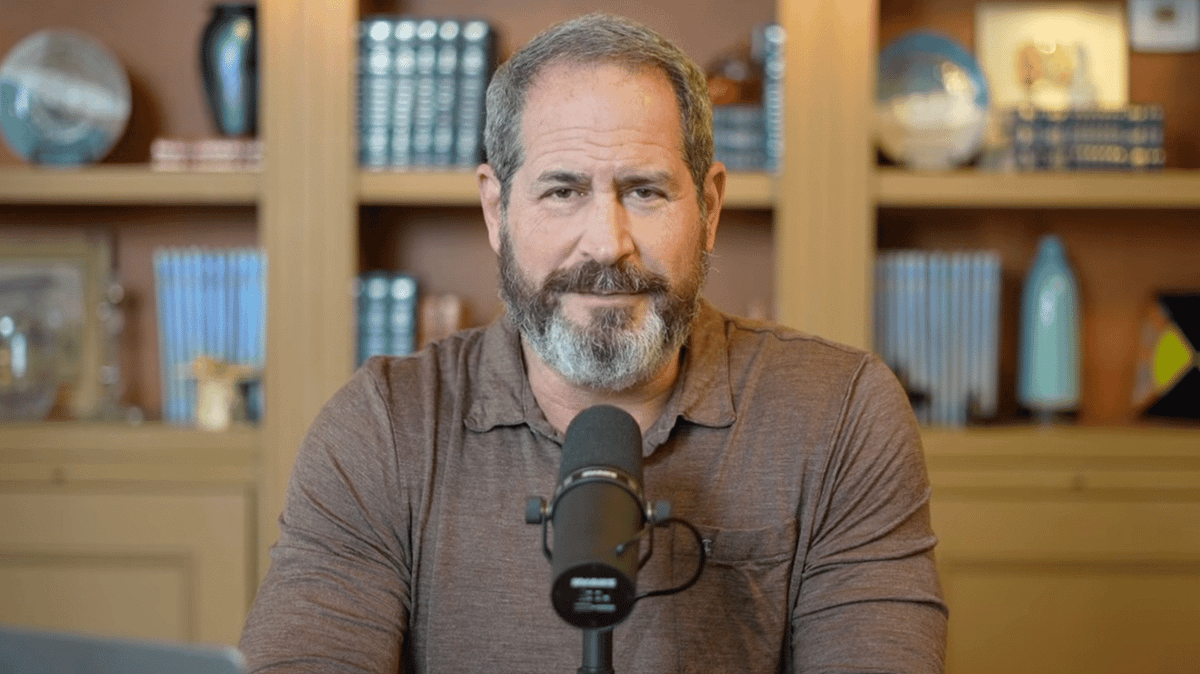
A cardiac surgeon who suffered a heart attack in his 50s has shared the changes he made to get healthier after the major scare in 2022.
Dr. Jeremy London said that on the day it happened, he wasn’t feeling right and assumed the discomfort was just heartburn.
He still went out on a hunting trip with his son in the Georgia woods, but things escalated when the pain in his chest became severe—prompting him to realize it was a heart attack.
After he was taken to hospital, doctors found he had a 99 percent blockage in his right artery. London has since spoken in detail about the experience on his YouTube channel.
Despite being a heart specialist himself, London said the incident forced him to confront how he’d brushed off warning signs beforehand. Since then, he’s focused on a handful of straightforward—but important—lifestyle shifts to support his health.
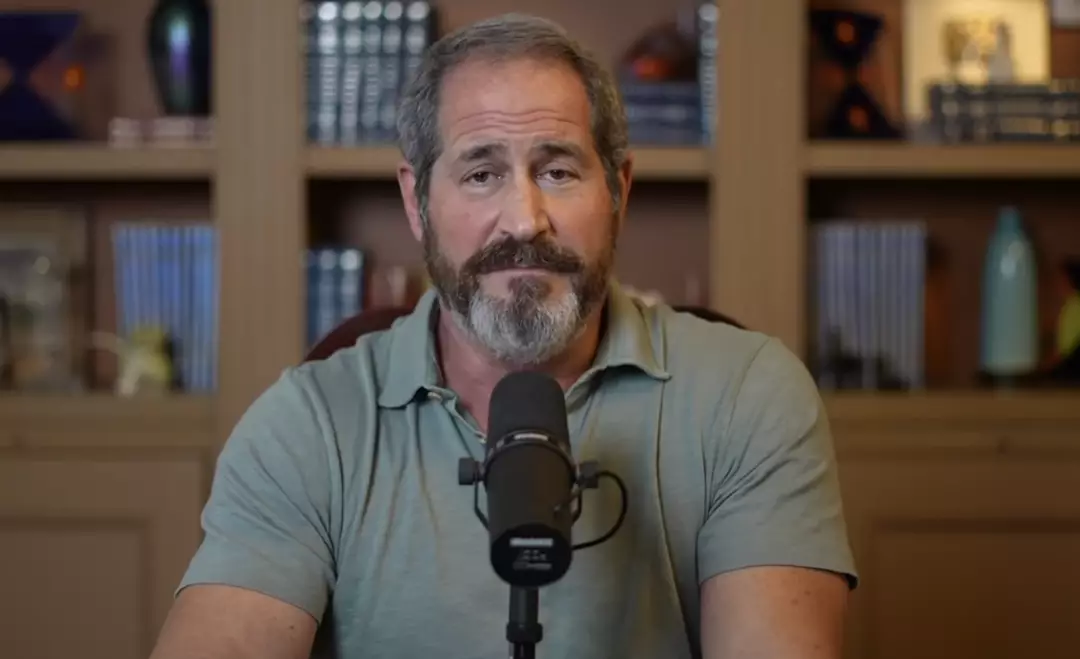
Speaking to Business Insider, London said:
“The bottom line is, many, many times we know better and we don’t do better. It is a universal human trap, and none of us are immune. I mean, who would know better than me?”
Below are some of the areas he targeted as he worked to improve his overall wellbeing.
One of the biggest factors, London explained, was sleep. He admitted this was something he hadn’t been taking seriously enough before his heart attack.
“The most important thing for you is the thing you’re bad at,” London shared. “For me, that’s sleep.”
After years of demanding hours, overnight calls, and long stretches in surgery, he said it had become difficult to properly switch off. Now, he makes rest a priority and pays closer attention to his sleep habits and routines.

He also highlighted hydration—an issue many people struggle with when life gets busy.
Not drinking enough water can affect the body in multiple ways, including increasing strain on the heart.
According to the British Heart Foundation, dehydration may thicken the blood, which can raise the risk of clots and heart attacks. It can also reduce overall blood volume, meaning the heart has to work harder to circulate what’s available.
Reflecting on how easily fluids can be neglected during long procedures and packed workdays, London said:
“With my busy schedule and operations that can last hours at a time, it’s easy for my hydration to take a back seat,” London said of his own experiences. “Though it’s far from perfect, I try to hydrate proactively.”