


Two cardiologists have shared which foods and drinks often labelled “unhealthy” they still choose to enjoy — while stressing that moderation is the key.
Dr Matthew Kahn and Dr Charlie Cox spoke to Stylist about the treats and staples they keep in their routines, even when those items sometimes get a bad rap.
After a tough day, it’s easy to justify pouring a glass of wine or reaching for something sweet. But doing that every night isn’t ideal — and both doctors point out that the bigger picture matters more than perfection.
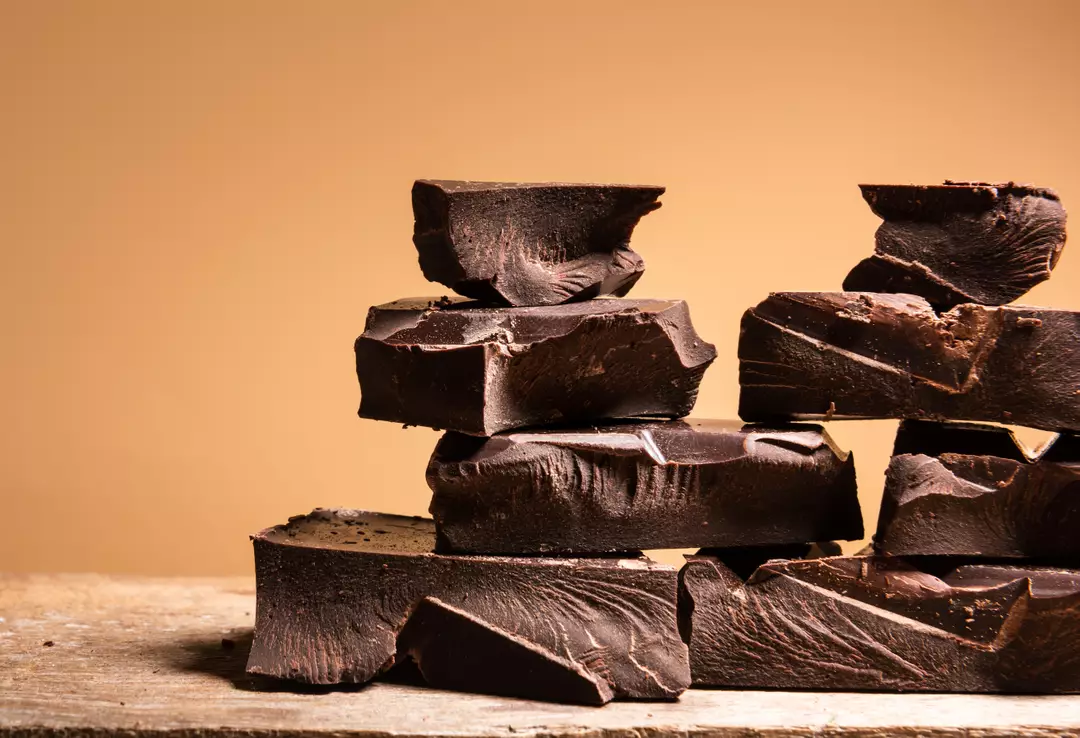
When it comes to chocolate, Dr Kahn says dark varieties can have a legitimate place in a heart-conscious diet, as long as portions stay sensible.
Dr Kahn said: “High cocoa dark chocolate (70% or more) contains compounds called flavonoids, which can support blood vessel health and slightly lower blood pressure.”
Dr Cox also highlighted cocoa’s benefits, and even mentioned a couple of go-to brands.
Meanwhile, Dr Cox added: “Cacao is one of the most polyphenol-rich foods on the planet – the flavanols have real cardiovascular evidence behind them. Ombar and Hu are the brands I come back to.”
Eggs, meanwhile, remain a food that some people still worry about because yolks contain dietary cholesterol. Dr Kahn says that concern is often overstated for most healthy adults.
“Eggs have been criticised for their cholesterol content for years but for most people, dietary cholesterol has very little impact on blood cholesterol,” Dr Kahn added.
“I’m happy to include eggs regularly in my diet; around one a day is absolutely fine for healthy adults. They’re also a great source of nutrients like choline and lutein, which support overall health.”

Alcohol is another area where the cardiologists emphasised context. Dr Cox said the social side of having a drink is often ignored in the debate, though he’s clear he isn’t telling people they should drink.
He explained: “The nuance that gets lost is what alcohol actually does for human beings socially. The offset calculation matters: [a drink] with friends on a Friday night and the happiness it brings, weighed against a marginal cardiovascular signal that largely disappears when you control for drinking pattern and quality.
“Drink clean and drink well. I go for mezcal or a good natural wine: fewer additives, sulphites and processing nasties than most commercial spirits and conventional wine. The difference in how you feel the next day is noticeable.”
The expert did go on to say he isn’t ‘advocating drinking’.

Coffee is another category that has swung back into favour. Dr Kahn says older concerns about heart harm have softened as research has developed, particularly for moderate intake.
“Coffee was once blamed for heart problems, but the evidence has shifted,” the cardiologist said.
“A moderate intake of around two to four cups a day is now associated with a lower risk of heart failure and some heart rhythm issues in certain people. It may raise blood pressure briefly, but regular drinkers tend to adapt.”
For breakfast, Dr Cox said he sticks to sourdough rather than standard bread, largely because the fermentation process changes how the body responds to it.
“The long fermentation by wild bacteria and yeast partially pre-digests the starch and breaks down some of the gluten, meaningfully lowering the glycaemic response compared to standard bread,” the expert explained to Stylist.
And while reduced-fat dairy is often presented as the default “healthy” choice, Dr Kahn said full-fat options can still fit into a balanced diet when eaten sensibly.
He explained: “Butter and cheese often get a bad reputation because of saturated fat. But the saturated fat in dairy doesn’t seem to have the same effect as the fat found in processed meats. In fact, some studies suggest full-fat dairy may even be linked to a slightly lower risk of stroke.”