

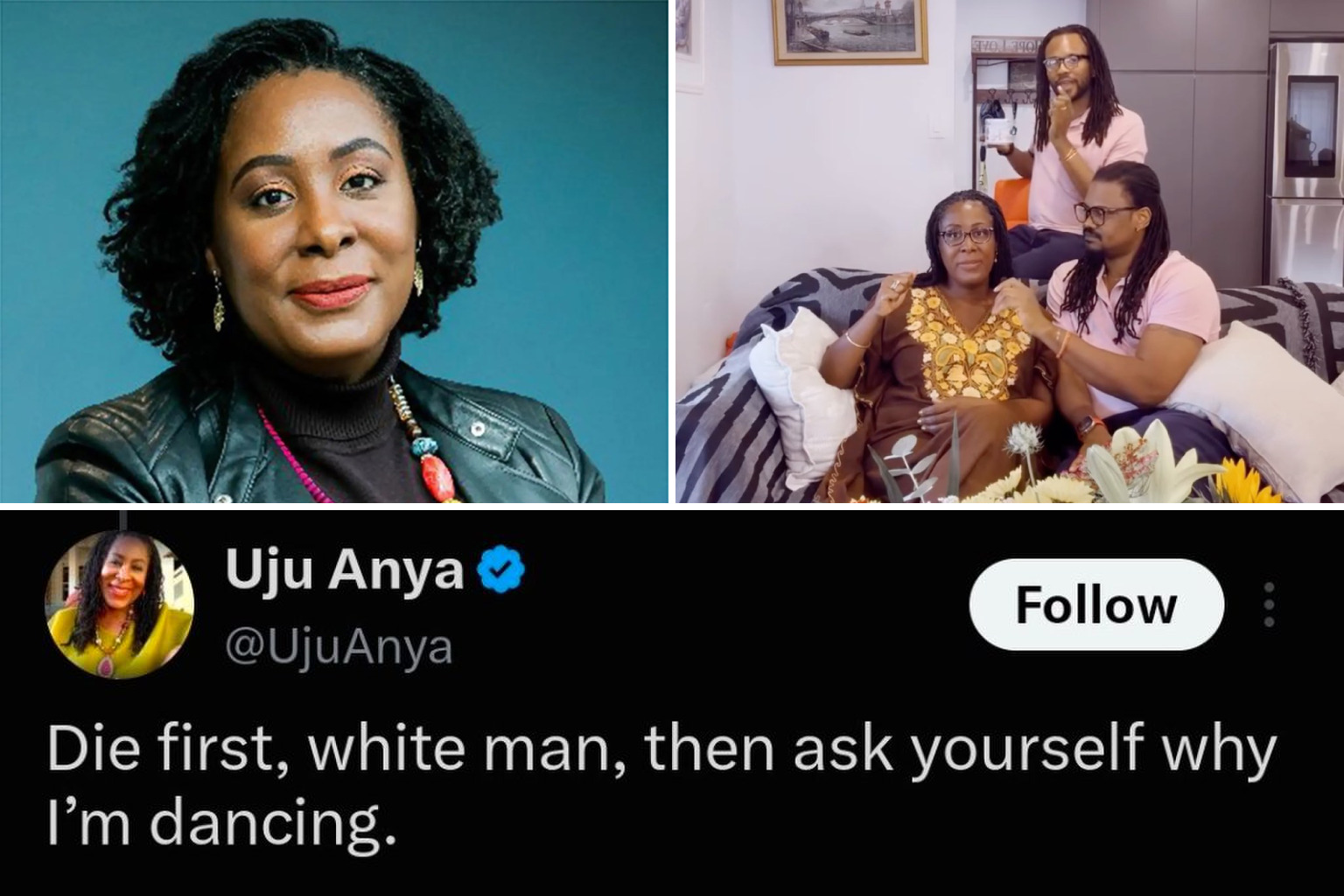
Carnegie Mellon University has placed a professor on leave after her inflammatory social media posts, including one telling a “white man” to “die first” so she could dance, drew renewed scrutiny online.
Dr. Uju Anya, who joined the Pittsburgh institution in 2021, is “currently on voluntary professional leave from the university and not teaching courses on our campus this year,” the school announced. The Nigerian-born academic, whose university bio describes her as “a scholar of language learning and Black experiences in multilingualism,” had initially dismissed concerns that her online history would affect her position.
“We are deeply concerned by recent hostile and threatening social media posts by Dr. Anya and are reviewing the matter closely,” the university stated on its website and X account. “To be clear: These posts incorrectly imply our university’s endorsement and are contrary to our community standards and values as well as our commitment to fostering a safe, respectful and welcoming campus community.”
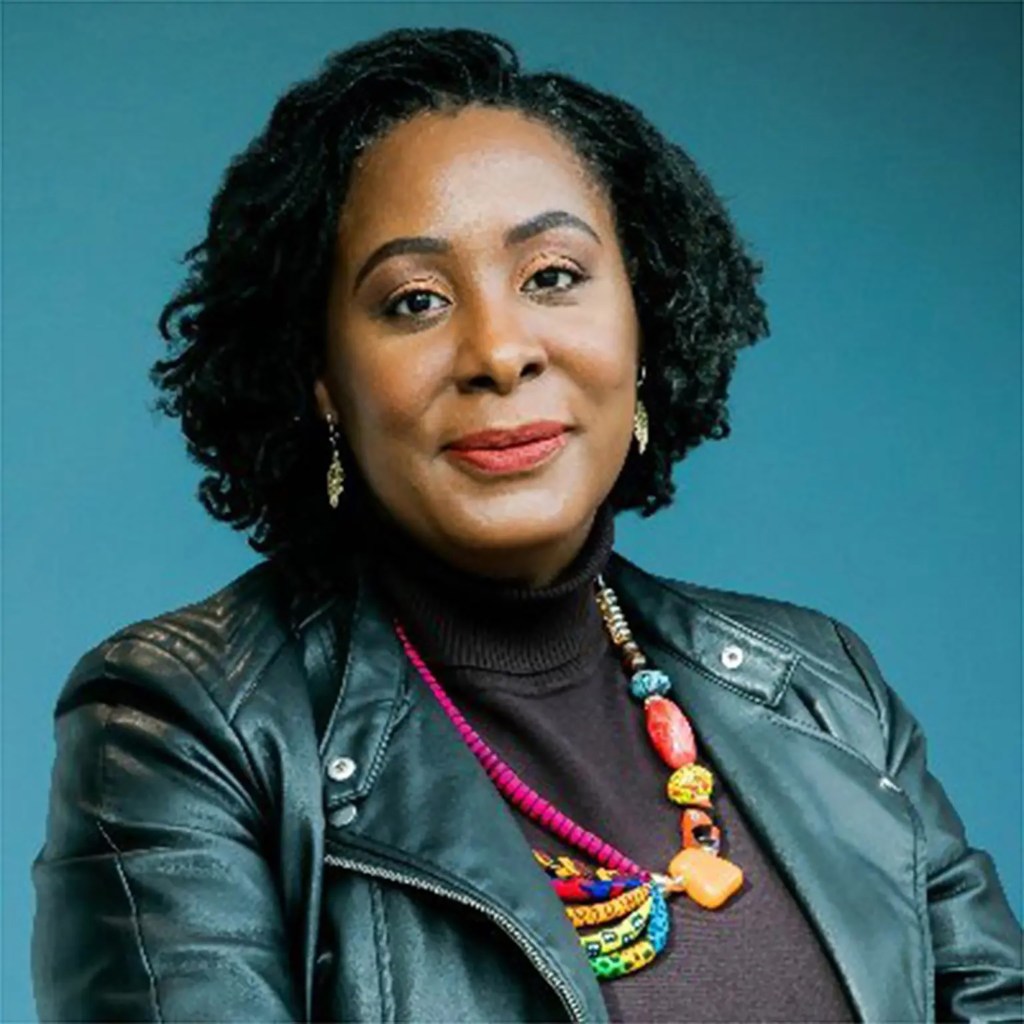
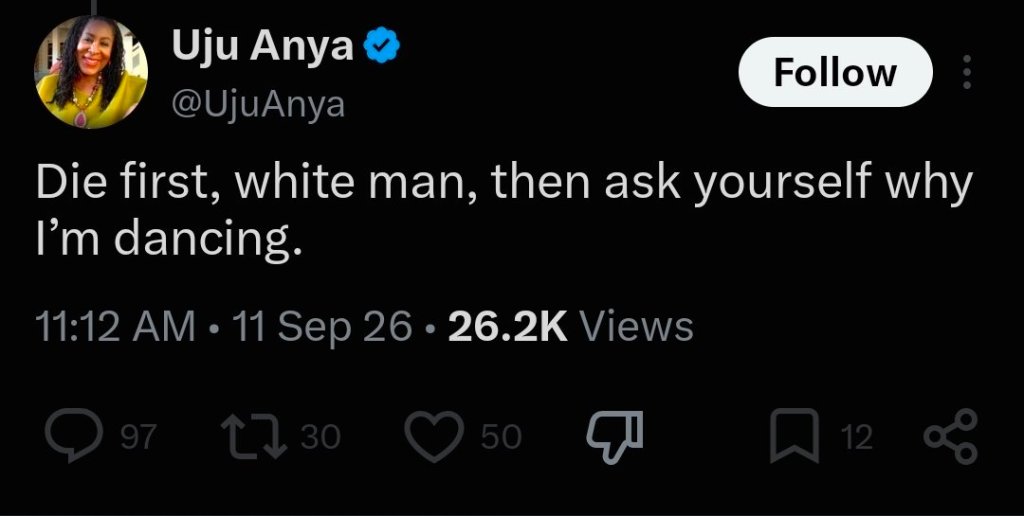
The controversy reignited Friday when a user challenged Anya over a 2021 post celebrating Rush Limbaugh’s death from lung cancer. “Rush Limbaugh finally did something positive in life by dropping dead. Good Riddance to bad rubbish,” she had written on Feb. 17, 2021. When confronted with the question, “Weird how you only celebrate the deaths of white people. Why is that?”, Anya responded directly: “Die first, white man, then ask yourself why I’m dancing.”
Elon Musk amplified the exchange by sharing it with his followers, noting, “This is a real professor at Carnegie Mellon University …,” which prompted wider circulation and archiving of her other posts. Anya’s account has since been deleted.
Before the university acted, Anya had taunted critics who threatened to contact her employer. “Carnegie Mellon University knows exactly who they have. They poached me from my previous job, aggressively recruiting me with a massive salary and stellar benefits. So baby, run tell them they f–ked up, and see if they pick up your call,” she wrote. She claimed institutional protection, adding, “Keep crying, loser. My department chair just texted me saying they’re throwing all of your emails in the trash,” followed by three laughing emojis.
The professor’s controversial online presence extended beyond the Limbaugh exchange. In August 2022, a month before Queen Elizabeth II’s death, Anya had written, “I heard the chief monarch of a thieving raping genocidal empire is finally dying. May her pain be excruciating.” She also marked what she termed the first anniversary of Charlie Kirk’s assassination with the message, “May he rot in piss,” calling him a “s–tbag” and sharing a video of students mocking him with a dance pantomiming his death.
As scrutiny intensified, Anya attempted to reframe herself as a target rather than provocateur. “During an entire day of incessant violent threats, racist abuse, and harassment on Twitter — incited by fascist white supremacist MAGA trolls — I was doxxed. I reactivated my account to protect my family,” she wrote, describing herself in her bio as “audacious, professor, feminist, lesbian, maker of good trouble, mom, and Sirry’s wife.” She offered no retractions: “I meant every word I said in my tweets responding to white men and all others insulting and maligning me. I do not retract or apologize. May they all eat s–t,” signing the statement “Dr. Uju Anya.”
Anya had previously addressed her social media controversies in a Medium post last July, where she referenced administrators telling her “my behavior embarrasses Carnegie Mellon and damages its reputation.” Rather than expressing remorse, she pivoted to institutional criticism: “Yet again, we are told that Carnegie Mellon University’s association with faculty and students who publicly engage in uncivil discourse damages its reputation, but there is no talk of how my employer’s association with rapists, dictators, genociders, and baby bombers damages its reputation. So, I ask, who is disgracing whom?”
An email to Anya’s Carnegie Mellon staff account now returns an automated response: “I am away on sabbatical leave for the 2026-27 academic year, and this email account is not being checked frequently during my absence.” The university has not clarified whether the voluntary leave directly resulted from the social media activity.