

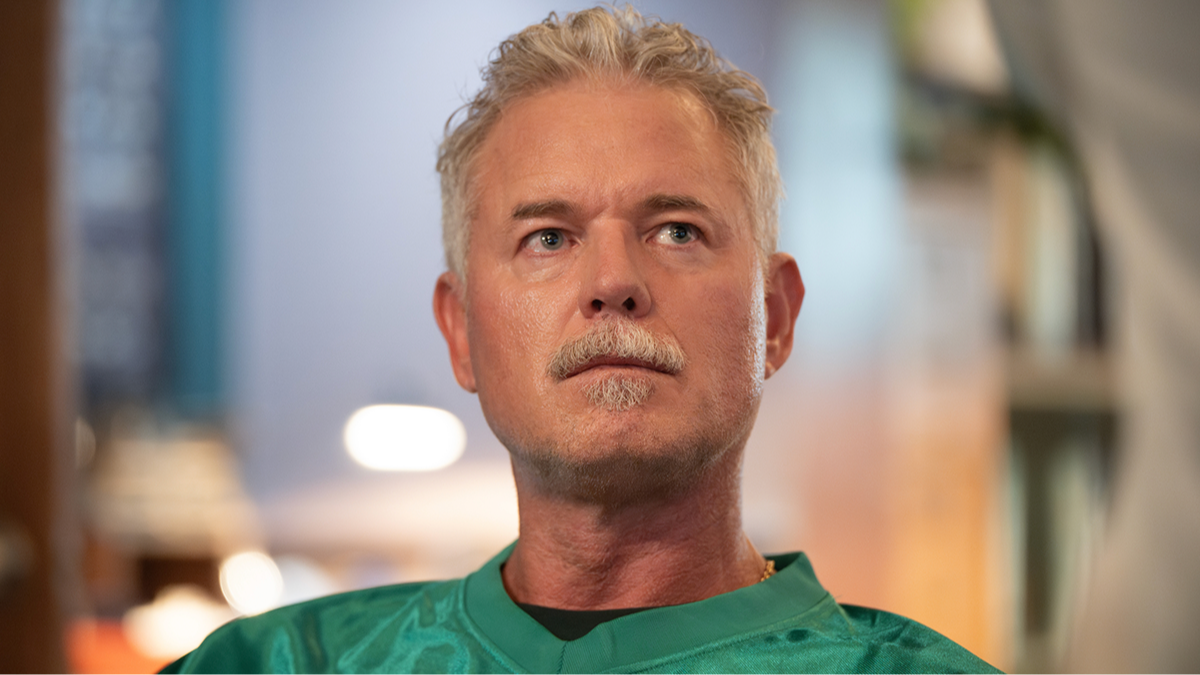
Grey’s Anatomy actor Eric Dane’s death yesterday has prompted fresh focus on ALS, a rare motor neuron disease that has also affected several other public figures.
Amyotrophic lateral sclerosis (ALS), often referred to as Lou Gehrig’s disease, is a degenerative neurological condition that progressively damages nerve cells controlling muscle movement. Over time, it can make everyday tasks like walking, eating, and speaking increasingly difficult, and there are currently limited treatment options and no known cure.
Dane, 54, who also starred in Euphoria, spoke in his final public message to a charity about the daily toll of the illness—an experience shared by tens of thousands of people living with ALS across the US.
‘takes something from me every day’
Many high-profile names have previously brought attention to ALS, including Stephen Hawking, Killing Me Softly singer Roberta Flack, and SpongeBob creator Stephen Hillenburg.
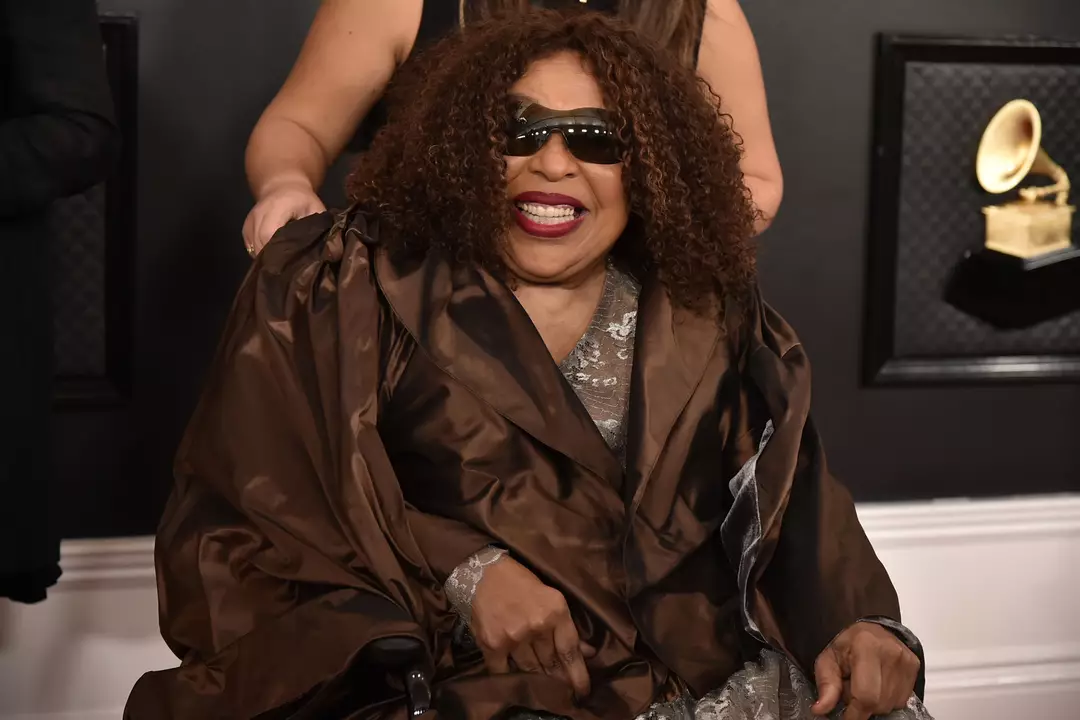
While those figures have since died, others have spoken publicly about being diagnosed and continuing life and work while managing the disease.
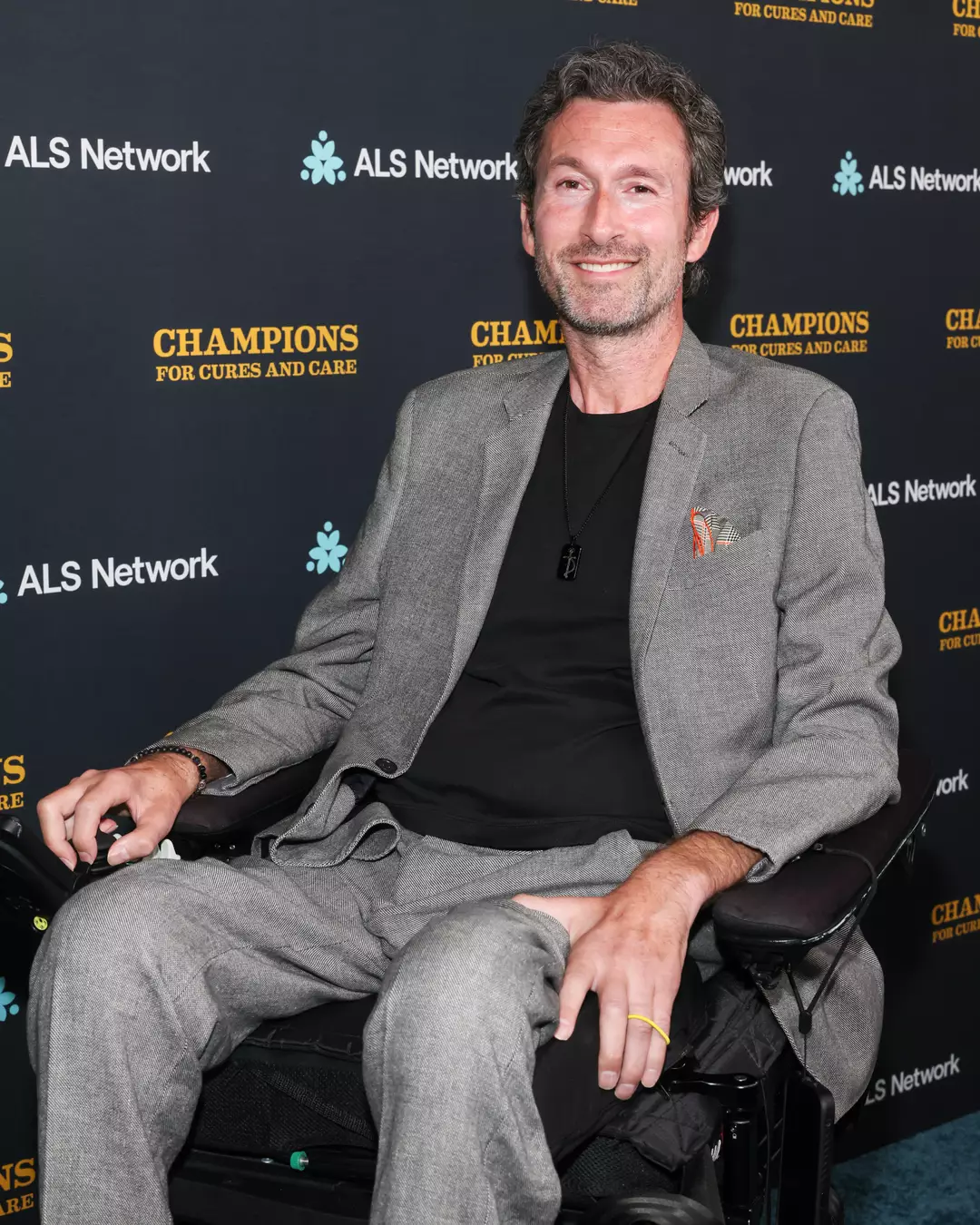
Actor, singer, and Broadway performer Aaron Lazar shared his ALS diagnosis in 2024, having learned two years earlier that he had the condition.
Lazar has appeared in major theatre productions and also earned screen roles in films such as The Wolf of Wall Street and Everything Everywhere All at Once.
After going public, he released an all-star album intended to support fundraising efforts for ALS research, bringing together a wide range of major names from stage and music.
Alongside contributors such as Josh Groban, Neil Patrick Harris, and Lin-Manuel Miranda, Lazar’s album Impossible Dream included a duet with Rebecca Luker, the Broadway star who also lived with ALS and died in 2020.
ALS has also affected professional athletes. Former NFL fullback Eric Stevens is among multiple football players who have been diagnosed over the years, including ex-San Francisco 49ers wide receiver Dwight Clark and former player-turned-commentator Tim Green.
After finishing his NFL career, Stevens became a firefighter. He received his diagnosis in 2019 at 29—an unusually young age—just a month after getting married.
Stevens later campaigned for access to an ALS treatment not approved by the FDA, NurOwn, intended to slow progression. His wife has said the medication helped preserve key moments of family life.
‘sing to his two year old daughter Peyton, read her books, and teach her about animals, birds, sports and the many other things he loves.’
Former New Orleans Saints safety Steve Gleason was diagnosed with ALS in 2011, three years after retiring from the NFL.
His early years living with the condition were documented over five years, resulting in the well-received film Gleason, noted for its unflinching depiction of the realities of ALS.
In 2019, Gleason received the Congressional Gold Medal in recognition of his ALS advocacy and work supporting charity efforts connected to the disease.
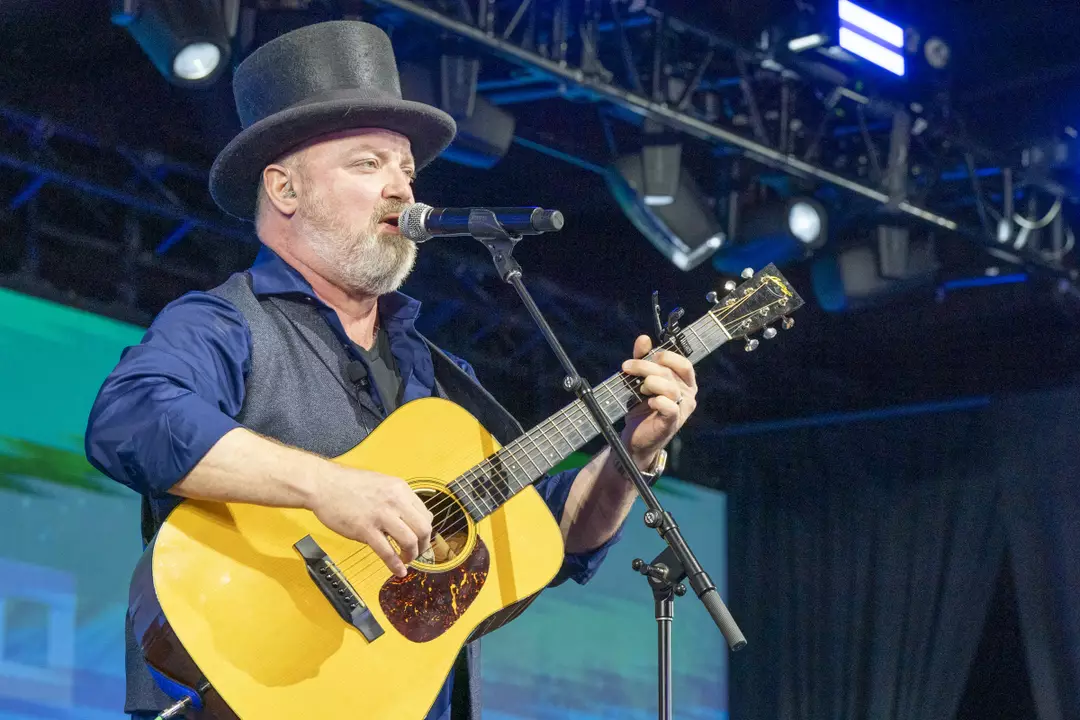
John Driskell Hopkins, the co-founder and bassist of Grammy-winning group Zac Brown Band, has been living with ALS for nearly four years after being diagnosed at 51.
When he announced the news in 2022, he explained the symptoms that led to the diagnosis and expressed hope that his case would continue to progress slowly.
“Over the past several years, I’ve noticed some balance issues and some stiffness in my hands. After careful analysis by some of the country’s top neurologists, I have been diagnosed with ALS. Because my symptoms have been slow progressing from the start, we believe they will continue to be slow progressing going forward.
“God willing, I plan to be rocking with these amazing people for many years to come.”
Hopkins has continued performing and touring while balancing his health with ongoing musical commitments.
Elsewhere in music, guitarist Jason Becker remains one of metal’s most influential players. His career plans changed dramatically when he was diagnosed with ALS at 21.
Becker co-founded the neoclassical metal band Cacophony with Marty Friedman, who later joined Megadeth and helped define the band’s 1990s era after the two musicians pursued separate paths in 1990.
Although ALS quickly took away Becker’s ability to play, speak, and sing, he continued writing and collaborating on solo projects. He now communicates by moving his eyes, but his work has endured through compositions completed with the help of others.