

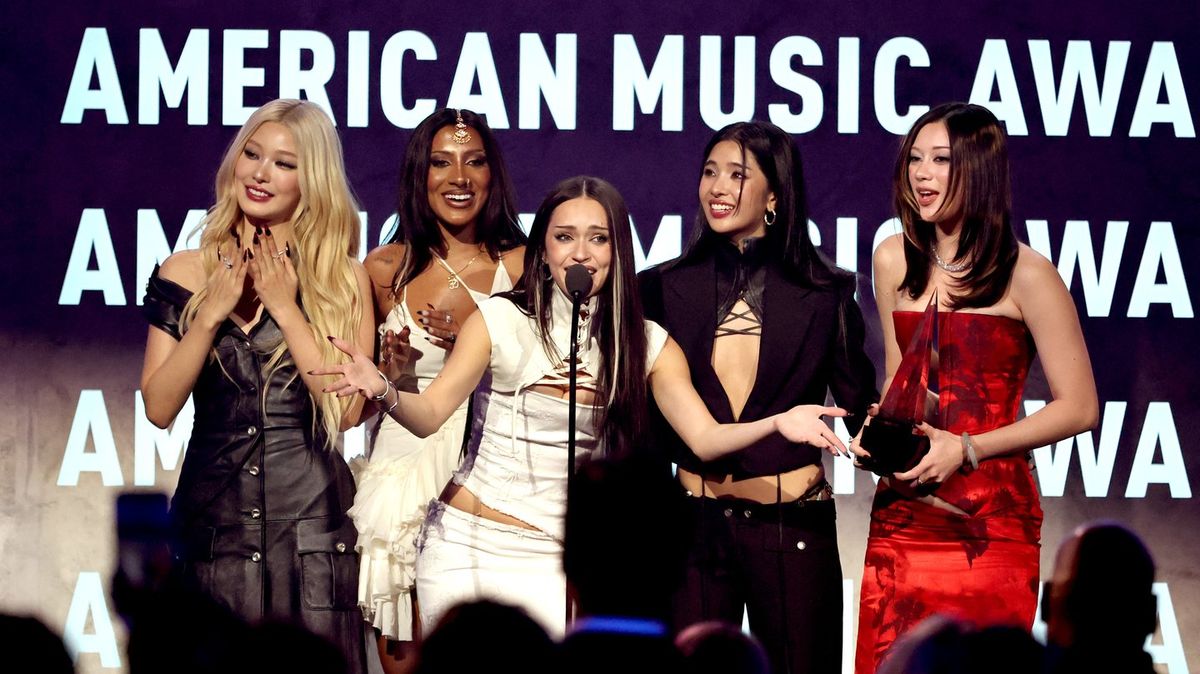
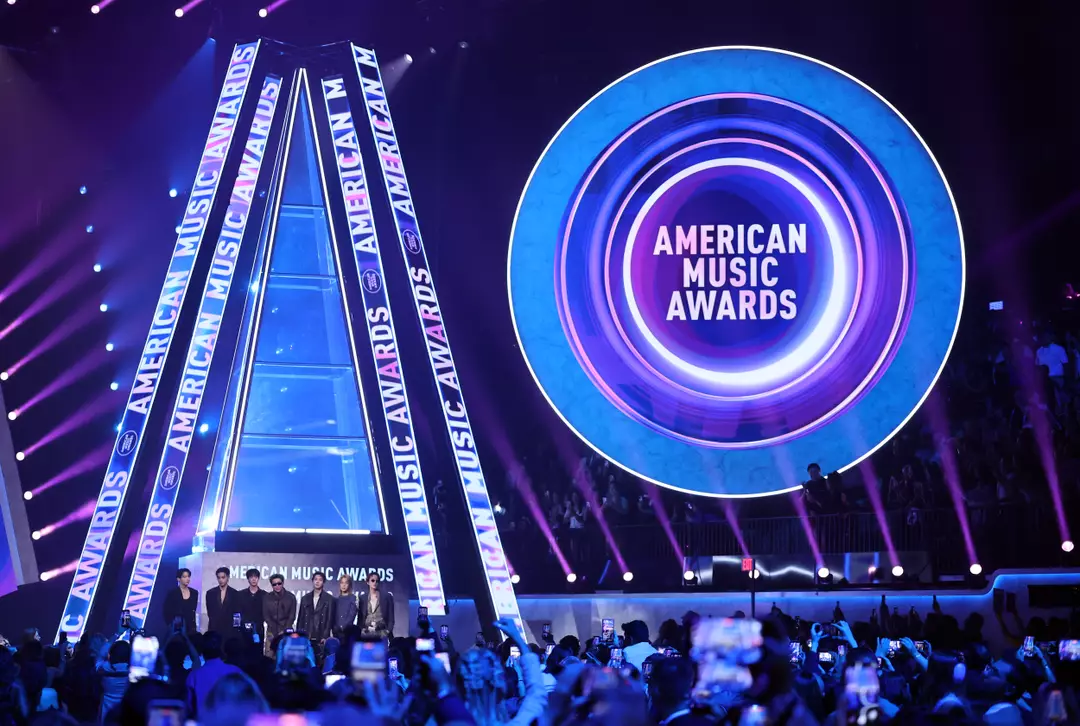
Viewers tuning into this year’s American Music Awards (AMAs) may have been struck by what wasn’t in the room: the usual packed-out, celebrity-heavy crowd that typically defines the show.
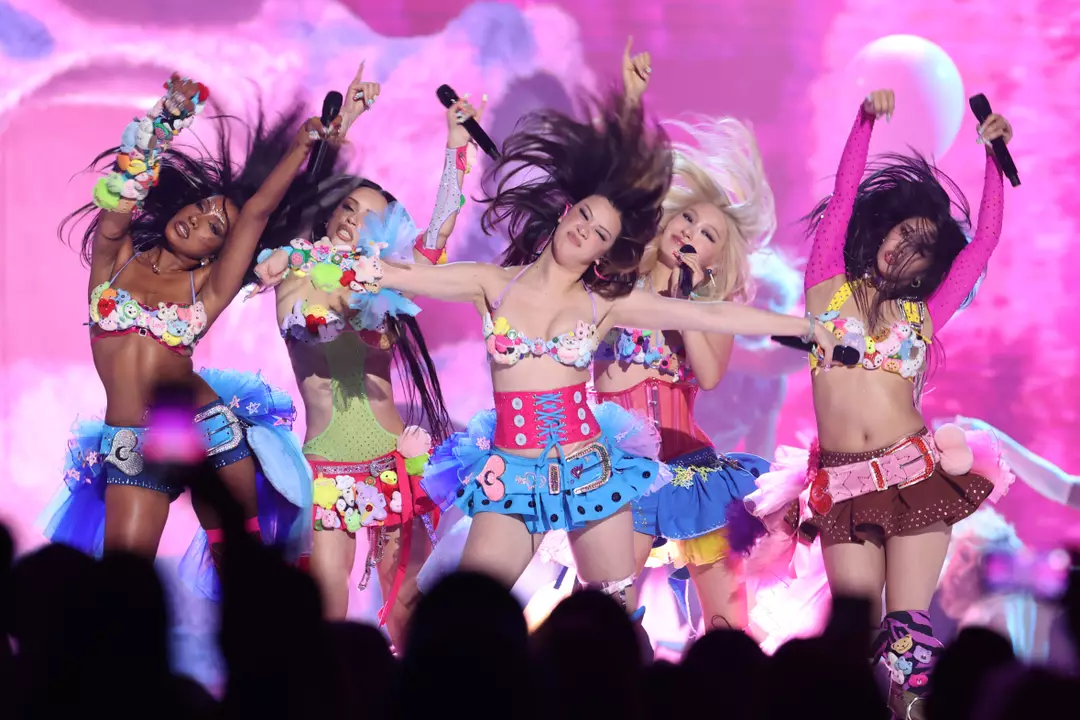
The 2026 ceremony took place on May 25 with Queen Latifah hosting, and featured performances from BTS, Twenty One Pilots and Billy Idol. But despite the big names on stage, there was a noticeable lack of famous faces watching from the seats.
Even some of the night’s biggest winners didn’t appear in person. Sabrina Carpenter, for example, picked up three trophies while skipping the event entirely.
PR specialist Kayley Cornelius, who works with high-profile clients on public image strategy, has shared several reasons why so many artists opted out of attending the annual awards show.
Speaking to Covers, Cornelius said: “Historically, award shows like the AMAs were seen as must-attend events for celebrities, but the reality is that the entertainment landscape has completely changed.”
A major factor is timing. With the ceremony landing on a federal holiday weekend, many performers had other priorities—especially at a point in the calendar when downtime is limited.
On top of that, touring has become an even bigger driver of income for artists, and tight schedules can make it difficult to justify taking a night away from shows, travel and rehearsals.
Cornelius explained: “Moving the ceremony to Memorial Day weekend has arguably made attendance even less appealing for A-list stars, because it now clashes directly with peak touring season, festival commitments and one of the few long holiday weekends celebrities actually get to spend privately with family and friends.”
Location has also played a role. The AMAs are no longer staged in the entertainment hub where many major artists are based, which adds friction for anyone considering an appearance.
“The relocation from LA to Las Vegas has also had a bigger impact than many people realise,” she explained, adding: “When these events are held in LA, stars can often attend with relatively little disruption.
“But flying to Vegas for what is ultimately viewed as a non-essential appearance adds another layer of logistics, glam preparation and scheduling pressure that many simply don’t see as worth it anymore.”
Another shift, Cornelius suggests, is what these shows are increasingly designed to deliver: viral reach, online moments and social engagement—often by blending traditional celebrity attendance with digital creators.
Cornelius said: “There’s also been a noticeable shift in the audience and guest list itself. The AMAs increasingly lean into influencer culture and viral online personalities to drive social media engagement, but that can unintentionally dilute the exclusivity and prestige that traditional music stars once associated with the event.
“For many major artists, especially those at the very top of the industry, the Grammys still carry career-defining status, whereas the AMAs are now often viewed as more optional from a branding perspective.”
She also pointed to a bigger problem facing awards broadcasts in general: they no longer hold the same attention or influence they once did, because artists can now maintain visibility without them.
She added: “Ultimately, celebrities no longer need award shows in the way they once did.
“Twenty years ago, these broadcasts were one of the biggest ways to stay visible and connect with fans, but now artists can reach hundreds of millions of people instantly through their own Instagram, TikTok or tour content.
“That shift has fundamentally changed the power dynamic, and we’re now seeing more stars choosing personal time, touring commitments or direct fan engagement over making a red carpet appearance simply because they’ve been nominated.”