


CeraVe, the widely trusted dermatologist-approved skincare brand owned by French cosmetics giant L’Oréal, is facing six class action lawsuits alleging that certain of its acne products contain concerning levels of benzene, a known human carcinogen linked to blood cancers and leukemia.
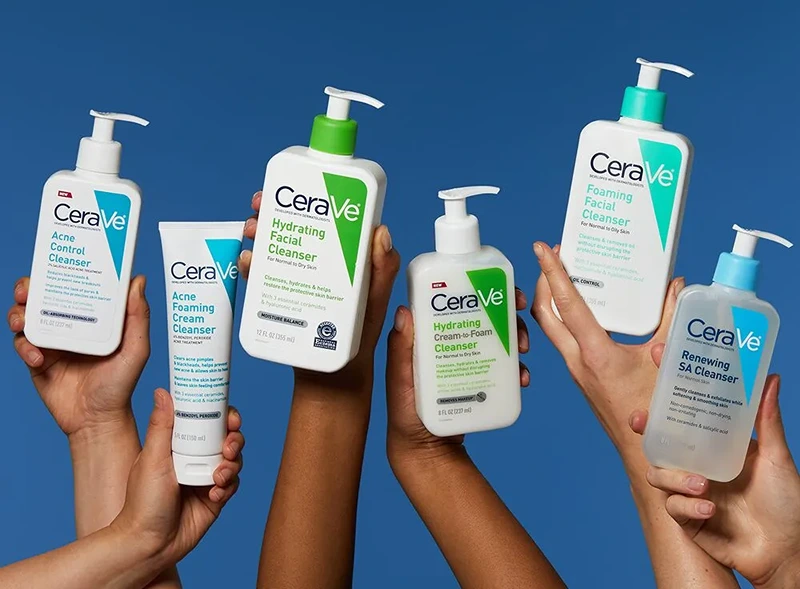
The lawsuits specifically target two CeraVe benzoyl peroxide acne products: the Acne Foaming Cream Cleanser, which contains 4 percent benzoyl peroxide, and the Acne Foaming Cream Wash, containing 10 percent benzoyl peroxide. The legal action stems from independent laboratory testing conducted by Valisure, a lab founded by former Yale students, which in March 2024 published findings showing that benzoyl peroxide, an active acne-fighting ingredient, can degrade into benzene at relatively low temperatures, including normal body temperature and bathroom storage conditions.
According to the lawsuits, independent testing detected benzene at levels ranging from 5 to 12 parts per million in CeraVe cleansers, significantly exceeding the FDA’s conditional limit of 2 parts per million. When products were incubated at temperatures mimicking body heat, warm bathrooms, and hot cars, benzene concentrations reportedly accelerated to levels hundreds of times higher than the federal threshold.
The first lawsuit was filed in March 2024 by Jennifer Snow in Hawaii federal court. Within weeks, additional complaints followed from plaintiffs in Louisiana, Missouri, Illinois, New York and other states. Collectively, these cases represent millions of consumers who purchased the affected products.
The lawsuits allege that L’Oréal “knew or should have known” its products were at risk of benzene contamination, given that the chemical instability of benzoyl peroxide has long been documented in scientific literature and regulatory guidance. The complaints claim the company made no reasonable effort to test the products for benzene or to warn consumers that the benzoyl peroxide could degrade into a known carcinogen over time or when exposed to heat.
The plaintiffs argue they would not have purchased the products had they known the truth, and are seeking compensation for product purchases and health monitoring costs. Importantly, the suits do not allege that benzene was intentionally added as an ingredient, but rather that it forms as an unintended byproduct of the benzoyl peroxide’s chemical breakdown.
Benzene is classified as a Group 1 human carcinogen by the International Agency for Research on Cancer, meaning there is sufficient evidence that it causes cancer in humans. When absorbed through the skin or inhaled, benzene attacks bone marrow and blood-producing systems, potentially increasing risks for blood disorders, bone marrow failure, lymphoma, and various forms of leukemia.

However, the overall picture remains more complex than viral social media posts suggest. When the FDA conducted its own testing in March 2025, the agency examined 95 acne products containing benzoyl peroxide and found that more than 90 percent tested either undetectable or extremely low levels of benzene. Only six products across the industry showed elevated levels, prompting limited voluntary recalls at the retail level. Neither the CeraVe Acne Foaming Cream Cleanser nor the Acne Foaming Cream Wash appeared on the FDA’s list of products requiring recall.
The products that were voluntarily recalled included La Roche-Posay Effaclar Duo, several Walgreens and Proactiv products, and other brands. The FDA has emphasized that some of the affected products tested were approaching their expiration dates, and has advised consumers to check products and discard those past their expiration date.
It is crucial to note that the lawsuits and benzene concerns apply exclusively to CeraVe’s benzoyl peroxide acne products. The brand’s standard moisturizers, hydrating cleansers, and other skincare lines that do not contain benzoyl peroxide are not involved in the litigation and remain unaffected by these allegations.
As of June 2026, no final court-approved settlement has been announced. The cases remain active in litigation, with discovery phases ongoing where plaintiffs’ attorneys are obtaining internal company documents, testing records, and communications about ingredient safety. The federal Judicial Panel on Multidistrict Litigation previously declined to consolidate all benzoyl peroxide cases into a single proceeding, citing the diversity of products and manufacturers involved.
Regarding Valisure itself, the testing laboratory has faced questions about potential conflicts of interest. Critics have noted that Valisure sells independent product testing services and that its benzene petitions have been followed by waves of class action lawsuits, with some manufacturers questioning its ties to plaintiffs’ attorneys. The FDA has also raised concerns that unvalidated testing methods used by third-party laboratories can produce inaccurate results, potentially reporting much higher contaminant levels than actually present in products.
Dermatologists continue to recommend benzoyl peroxide as a gold-standard acne treatment, and the FDA has not banned the ingredient. The agency has emphasized that even with daily use of these products for decades, the risk of developing cancer from benzene exposure found in such products remains very low.
For those who use CeraVe benzoyl peroxide acne products, experts recommend storing them in cool conditions, checking expiration dates carefully, and speaking with a pharmacist before discontinuing treatment. The broader message from regulatory agencies and dermatologists is to approach the viral claims with measured caution while remaining informed about product storage and use.