

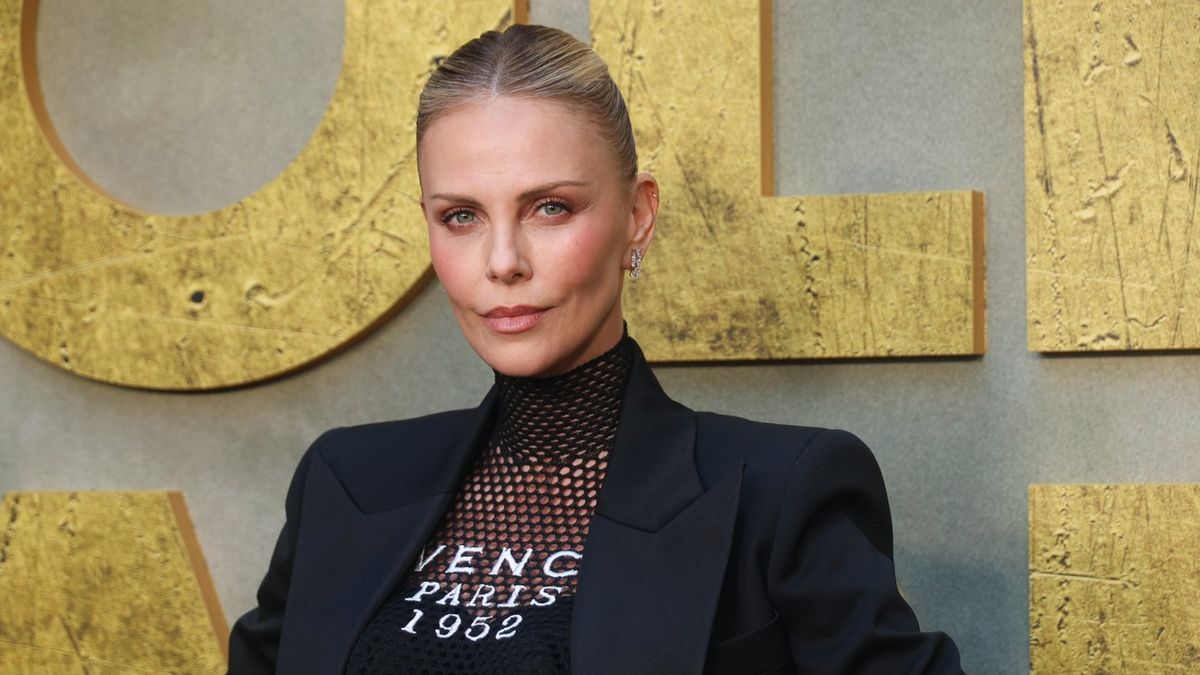
Charlize Theron has admitted she “talked out of her ass” when she previously speculated about how generative AI could affect acting in the future.
The Mad Max actor weighed in after Timothée Chalamet faced backlash for comments that suggested audiences no longer care about certain traditional art forms.
Speaking at an event at the University of Texas, Chalamet said he didn’t want cinema to end up in the same position as “ballet or opera”.
He said: “I don’t want to be working in ballet, or opera, or things where it’s like, ‘Hey, keep this thing alive, even though like no one cares about this anymore.’ All respect to all the ballet and opera people out there.”
Theron was one of the voices pushing back on his remarks, responding at the time by defending live performance and pointing to AI’s potential impact on screen work.
Theron said: “In about 10 years, I think AI is going to be able to do Timothée’s job, but it will not be able to replace a person on a stage dancing live. And we shouldn’t shit on other art forms.”
Now, she has walked back the certainty of that prediction, acknowledging she doesn’t actually know what the next decade will bring for the technology or the industry.
In a social media clip, she said: “Honestly, I talked out of my ass. I don’t know what’s going to happen in ten years, okay? Nobody does.”
#CharlizeTheron says she was “talking out of my ass” after predicting AI “will be able to do the job” of actors like Timothée Chalamet in 10 years:
“Honestly, I talked out of my ass. I don’t know what’s going to happen in ten years, okay? Nobody does. But I assume that a living,… pic.twitter.com/RIo0h0Zh4z
— Variety (@Variety) April 23, 2026
Even so, Theron said she still believes there’s something uniquely human about live performance that won’t be easy to recreate.
She added: “But I assume that a living, live performance would be hard [to replicate].”
Theron also joked about the idea of robotic dancers, arguing that technical replication still wouldn’t match the presence of elite performers.
She quipped: “And then someone’s like, ‘There’s a dancing robot in Hong Kong’ – but he’s not Misty Copeland.”
Theron said the reality is that many people are navigating the uncertainty around AI one step at a time.
Her comments land amid ongoing debate and anxiety over the role of generative AI across film and television, particularly around authorship, labor, and consent.
Criticism of AI tools has come from a wide range of creatives, including actors and graphic artists, who have raised concerns about job security and the use of human work to train models.
The Academy Awards has also entered the discussion, reportedly making clear that projects created with AI-generated scripts or films will not qualify for Oscars.
Under the Academy’s guidance, only acting that is “demonstrably performed by humans” can be considered for nomination, and writing “must be human-authored” to meet eligibility rules.
AI protections were also a key point of contention during recent Hollywood strikes, as unions pushed for guardrails on how the technology can be deployed.
Beyond labor disputes, the issue has triggered legal action as well, including lawsuits from actors alleging improper use of their likeness in AI-created material. Lawmakers in California are also pursuing measures aimed at regulating how AI can be used in entertainment.