

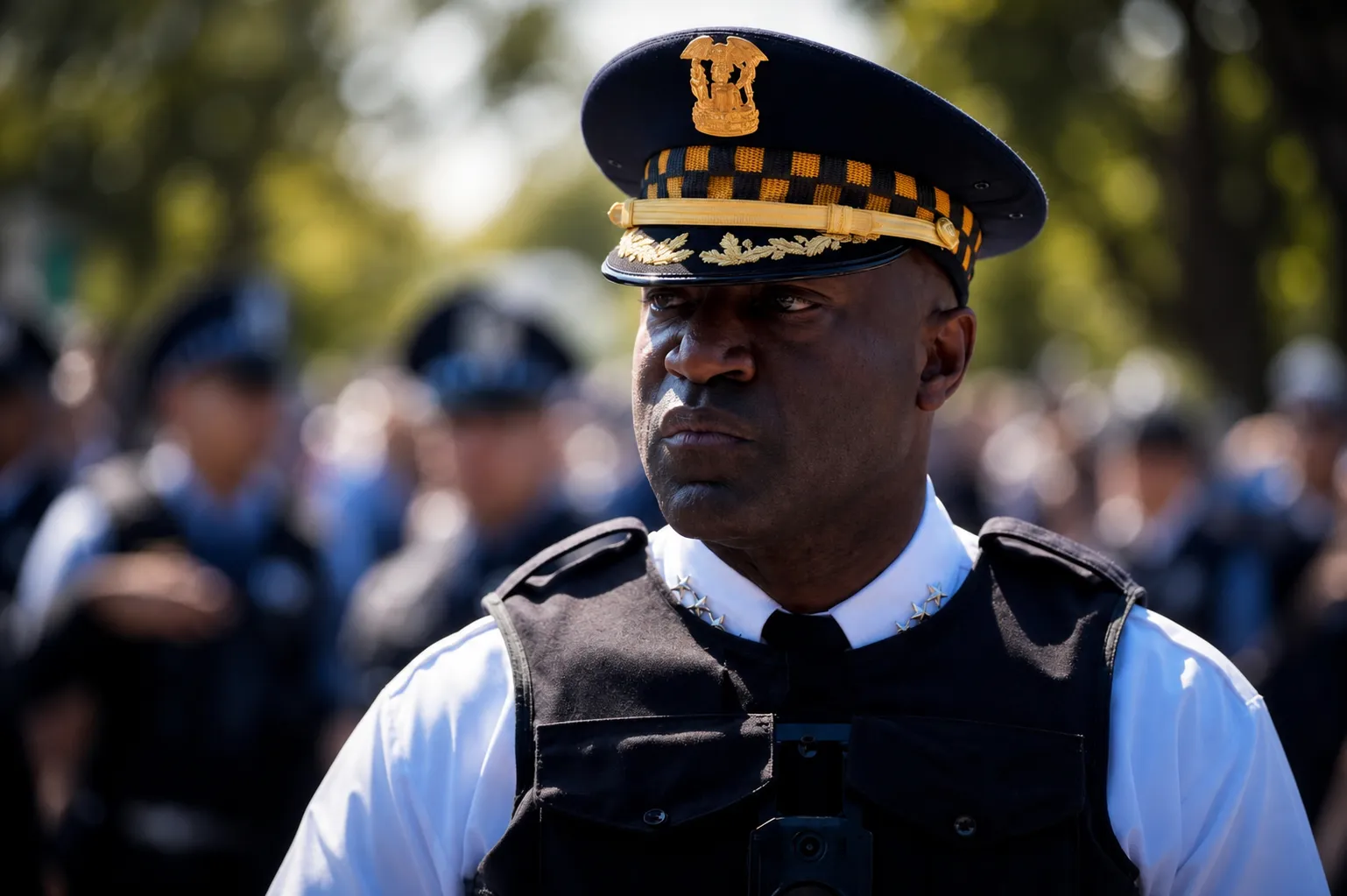
Larry Snelling, who led the Chicago Police Department through one of the most crime-reducing periods in the city’s modern history, announced Wednesday that he will retire after less than three years as superintendent, effective July 15.
Snelling took control of the nation’s second-largest police force in 2023 after Mayor Brandon Johnson unanimously approved his appointment through the City Council. During his tenure, murders fell 32 percent and shootings declined 41 percent compared to 2023, according to the most recent crime statistics. The 416 homicides recorded in Chicago last year marked a 60-year low, reaching back to 1965.
“I am closing out this chapter of my life with a heart full of gratitude for every Chicagoan and every community partner who embraced me during my time at the Chicago Police Department,” Snelling said in a statement that did not specify the reasons for his departure.
The 34-year veteran of the Chicago Police Department grew up on the city’s South Side and graduated from Englewood High School before attending DePaul University. He joined the department in 1992 as a patrol officer in his own neighborhood, the same area where he would later serve as commander of the 7th District. Over his career, he served as a sergeant, led training at the police academy, and eventually rose to become chief of the counterterrorism division before being named superintendent.
Mayor Johnson praised Snelling’s leadership in a statement. “Superintendent Snelling has dedicated 34 years to serving the people of Chicago. We’re grateful for his dedicated leadership and the work we’ve accomplished together to advance a community safety strategy rooted in strong partnerships and deep community engagement across Chicago,” Johnson said.
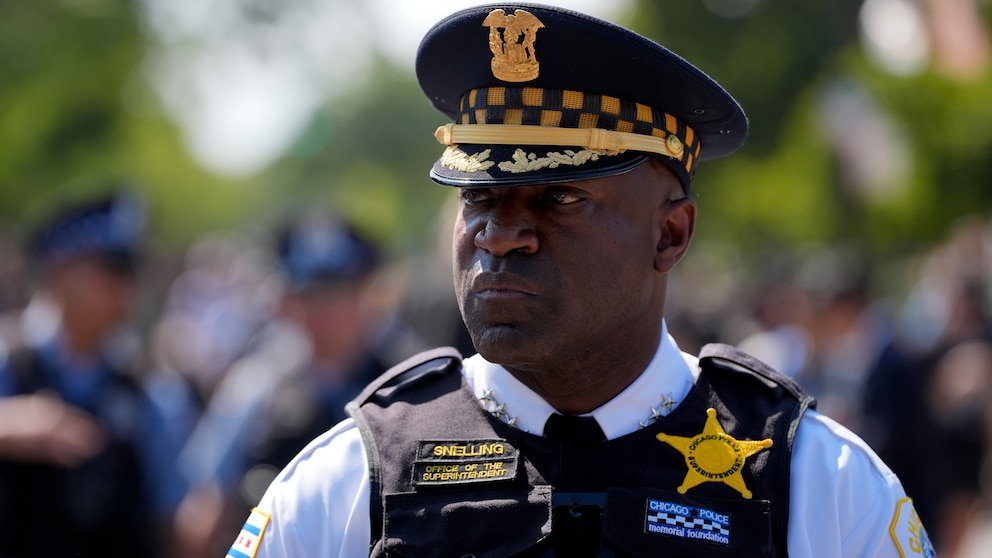
Snelling’s three-year tenure proved significantly more stable than many of his predecessors. The superintendent’s job has long been considered notoriously difficult, with many past heads of the Chicago Police Department lasting only a few years amid pressure from interest groups, including the police union. His predecessor, David Brown, a former Dallas police chief, had faced controversies and a crisis of confidence before his departure in 2023.
Snelling oversaw the department through several major challenges. He led public safety efforts during the 2024 Democratic National Convention, which proceeded largely without incident and earned praise from federal law enforcement partners. He also navigated the complicated position of managing police response during Operation Midway Blitz, President Donald Trump’s aggressive federal immigration enforcement campaign that brought hundreds of National Guard troops and federal agents to Chicago. The operation sparked community tensions, with Snelling defending the department’s actions while maintaining that officers were present to prevent violence, not assist federal immigration authorities.
During his time as superintendent, four Chicago police officers were killed in the line of duty, a sobering reminder of the dangers officers face. Snelling also dealt with the rise of downtown “teen takeovers,” a phenomenon that drew public attention and required police resources.
Despite the challenges, crime reduction remained the defining achievement of his tenure. City Council members praised his work. Alderman Matt O’Shea of the 19th Ward said, “We’ve had some very good superintendents over the last 30-40 years. Nobody better than Larry Snelling.” Anthony Driver, former president of the Community Commission for Public Safety and Accountability, called his departure “a huge loss.”
Reports suggest tension with the mayor’s office may have contributed to his decision. Sources indicated that Snelling was unhappy with the administration’s use of budget cuts to reduce the police department by attrition in recent years, a decision that conflicted with his aims to boost the force. These tensions reportedly made him determined to leave before the mayoral election.
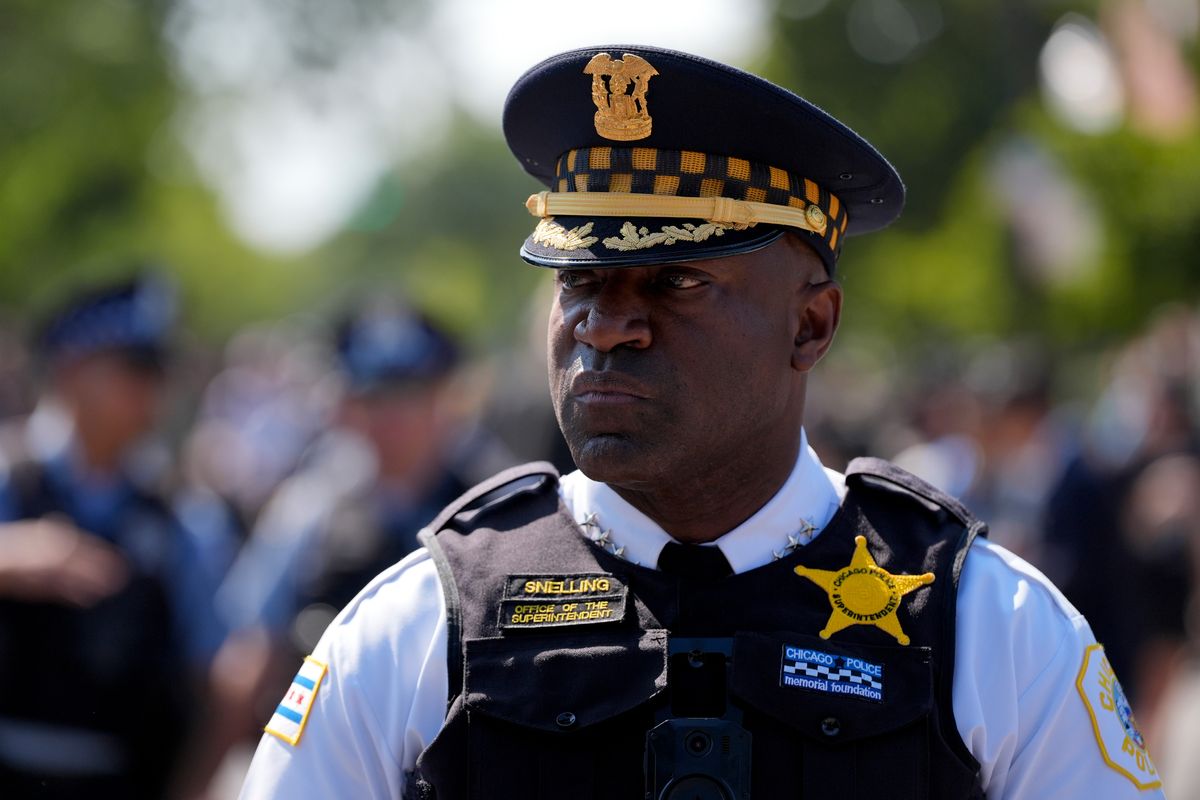
“I have had the privilege to lead this department through the 2024 Democratic National Convention and a record-low reduction in shootings, homicides and violent crime,” Snelling said in his retirement announcement. “While this happened during my tenure as Superintendent, the hard and courageous work of the members of the Chicago Police Department should be given the credit.”
Fred Waller, a longtime police veteran who previously served as interim superintendent after Brown’s departure, will again assume the interim role while the Community Commission for Public Safety and Accountability begins a search for a permanent replacement. Waller will be supported by Antoinette Ursitti, the newly appointed first deputy superintendent, who was brought in as Snelling stamped his mark on leadership positions earlier this month.
Snelling’s announcement came just six weeks after he publicly dismissed rumors of his retirement. “In this profession, we ask a lot of people, and we give a lot, but I can tell you right now, rumors are rumors,” he said at the time.
The timing of his departure, just as the city heads into the traditionally more violent summer months, raised questions about the department’s leadership continuity. Some Council members expressed concern about the transition period as the city faces the peak violent crime season.