

Federal prosecutors in Chicago are conducting an expansive review of more than 1,000 grand jury presentations stretching back nearly two decades, following the collapse of a high-profile case against immigration protesters due to serious prosecutorial misconduct revelations.
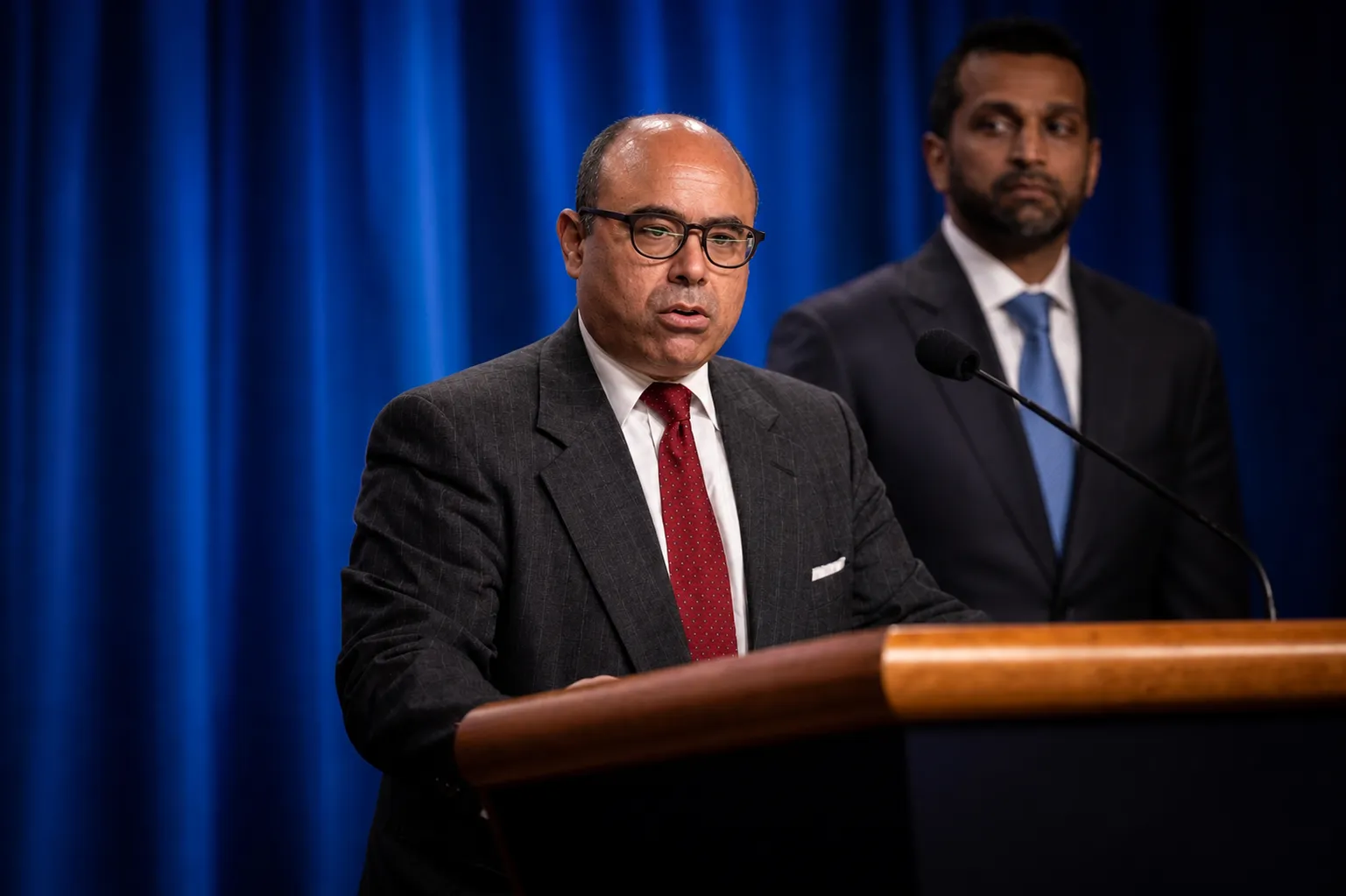
U.S. Attorney Andrew Boutros announced the sweeping examination on Wednesday, stating that Justice Department officials will scrutinize all pending grand jury proceedings in the Northern District of Illinois as well as historical presentations dating to 2007. The announcement marks an extraordinary reckoning with widespread problems in how prosecutors have presented cases to grand juries, the secret proceedings where the government seeks indictments.
The review was triggered by the dismissal of charges against six activists who protested outside an Immigration and Customs Enforcement facility in the Chicago suburb of Broadview in September 2025. The case unraveled in May after a federal judge discovered that prosecutors engaged in serious misconduct while seeking an indictment, including improperly pressuring grand jurors and misrepresenting evidence.
The most damaging revelations emerged when U.S. District Judge April Perry unsealed grand jury transcripts showing that prosecutors had engaged in what the judge characterized as “putting their personal credibility and trustworthiness on the line in support of the charges”—a practice known as improper vouching. One grand juror described the case as a “crock of expletive,” and that juror was subsequently excused from deliberations.
The case was led by Assistant U.S. Attorney Sheri Mecklenburg, who had left her position in the U.S. Attorney’s office in February to work on the Senate Judiciary Committee under Senator Dick Durbin, an Illinois Democrat. After the misconduct allegations became public, she was terminated from that position.
The grand jury transcripts revealed multiple categories of misconduct spanning nine areas, including improper communications with grand jurors outside of official proceedings. Mecklenburg acknowledged in the transcripts that she had spoken to grand jurors outside the grand jury room, stating she had “done something today that I’m not supposed to do.” On the first day of proceedings, she urged grand jurors to “trust” her, saying she would “never ask you to charge somebody if I didn’t think there was probable cause.”
Boutros said he was unaware of the vouching and improper communications until late April, and that revelation prompted him to drop the felony conspiracy charge. When the remaining charges were dismissed in May, he personally appeared in court to take responsibility, acknowledging that the conduct was “upsetting” to him.
Beyond the central misconduct, Judge Perry expressed particular alarm at what she called “the most problematic” issue: the fact that grand jury transcripts initially provided to her had been heavily redacted, strategically removing the very conduct that revealed the prosecutorial wrongdoing. The judge said she had reviewed hundreds or thousands of grand jury transcripts during her career but had never witnessed this type of prosecutorial behavior.
In response to the crisis, Boutros announced sweeping internal reforms to grand jury practices. The changes, which took effect in late May, establish what he described as “very bright lines” about when prosecutors must disclose grand jury material and under what circumstances. The reforms represent what Boutros called “the most substantial and significant internal changes to the Office’s grand jury procedures in decades.”
The remediation plan includes expanded education and training for federal prosecutors about grand jury presentations, conducted by national experts outside the U.S. Attorney’s office. Boutros also announced that defense attorneys in other cases handled by the prosecutors involved in the Broadview Six case will receive transcripts of grand jury proceedings in those matters, a departure from prior practice.
The collapse of the Broadview Six case has already had ripple effects. Other defendants whose cases were overseen by the same prosecutors have begun requesting that their indictments be dismissed, arguing that grand jury misconduct was pervasive. At least one separate fraud prosecution has come into question, with defense attorneys citing potential patterns of misconduct.
The massive review announced Wednesday will examine both completed cases reaching back to 2007 and all pending grand jury proceedings currently in the system. Boutros said that when the review is complete, “well over 1,000 grand jury presentations will be reviewed in the Northern District of Illinois.”
The turmoil has intensified scrutiny on Boutros’ leadership, with Democratic elected officials and former federal prosecutors calling for his resignation. Over 100 former federal prosecutors published an open letter criticizing the office for “tarnished reputation,” and questions have been raised about whether misconduct extended beyond Mecklenburg to other prosecutors and supervisors in the office.
Defense attorneys in the Broadview Six case have alleged that the misconduct ran deeper than a single prosecutor, suggesting that others in the U.S. Attorney’s office were aware of the misconduct but failed to disclose it. Some have asked for investigations into whether the prosecution was politically motivated or coordinated with higher levels of the Trump administration. Boutros has maintained that no deliberate misconduct occurred and that he is working to fix inherited procedural problems.