

Drowning claims the lives of thousands of children each year in the United States, with fatalities occurring faster and more silently than most families realize. Medical professionals across the country are urging parents and caregivers to understand the speed at which drowning can happen and to prepare themselves with lifesaving knowledge and skills before tragedy strikes.
Children can drown in less than 30 seconds, the time it takes to respond to a text message, grab a towel, or run inside for sunscreen. This silent, rapid process often happens without the splashing, screaming or visible struggle that many people associate with drowning. The reality is starkly different from Hollywood depictions, and medical experts say families must recognize this to protect their children effectively.
Drowning remains the leading cause of death for children ages 1 to 4, more fatal than any other cause in that age group. For children ages 5 to 14, it is the second leading cause of unintentional injury death, exceeded only by motor vehicle crashes. With an average of more than 4,000 unintentional drowning deaths occurring annually in the United States, pediatricians and public health officials are emphasizing that these tragedies are largely preventable with proper preparation and awareness.
One of the most troubling statistics is that 88 percent of child drownings occur with at least one adult present. Half of all children who drown are within 25 yards of a parent or other caregiver. This counterintuitive reality highlights that proximity alone does not ensure safety. Many drownings happen during family pool gatherings, sometimes representing 23 percent of all child drowning incidents.
The reason drowning happens so quickly relates to the body’s involuntary responses when submerged. When a child’s head goes underwater, the larynx can spasm, closing off the airway. Water aspiration can trigger reflex responses that interfere with breathing. After just three minutes without oxygen, brain cells begin to die, making the window for effective rescue extraordinarily narrow.
Another critical concern medical professionals raise is that children often cannot call for help during a drowning incident. When struggling to breathe, children are physically unable to speak or cry out. Their bodies are entirely focused on the instinctive drowning response, which may appear to observers as bobbing or playful behavior in the water rather than a life-threatening emergency.

Pediatricians and injury prevention specialists are prioritizing education about what can be done before a water emergency occurs. The American Academy of Pediatrics recently updated its drowning prevention recommendations, emphasizing a multi-layered approach to water safety. Rather than relying on a single protective measure, families should implement multiple safeguards simultaneously.
The most critical layer is constant, attentive supervision. Designated water watchers should focus exclusively on children in or near water, avoiding cell phones, reading, or conversations. Some communities are adopting water watcher tags or lanyards that are passed between adults like a baton, ensuring clear responsibility and frequent rotation. Adults should stay within arm’s reach of infants and young children who are non-swimmers or weak swimmers.
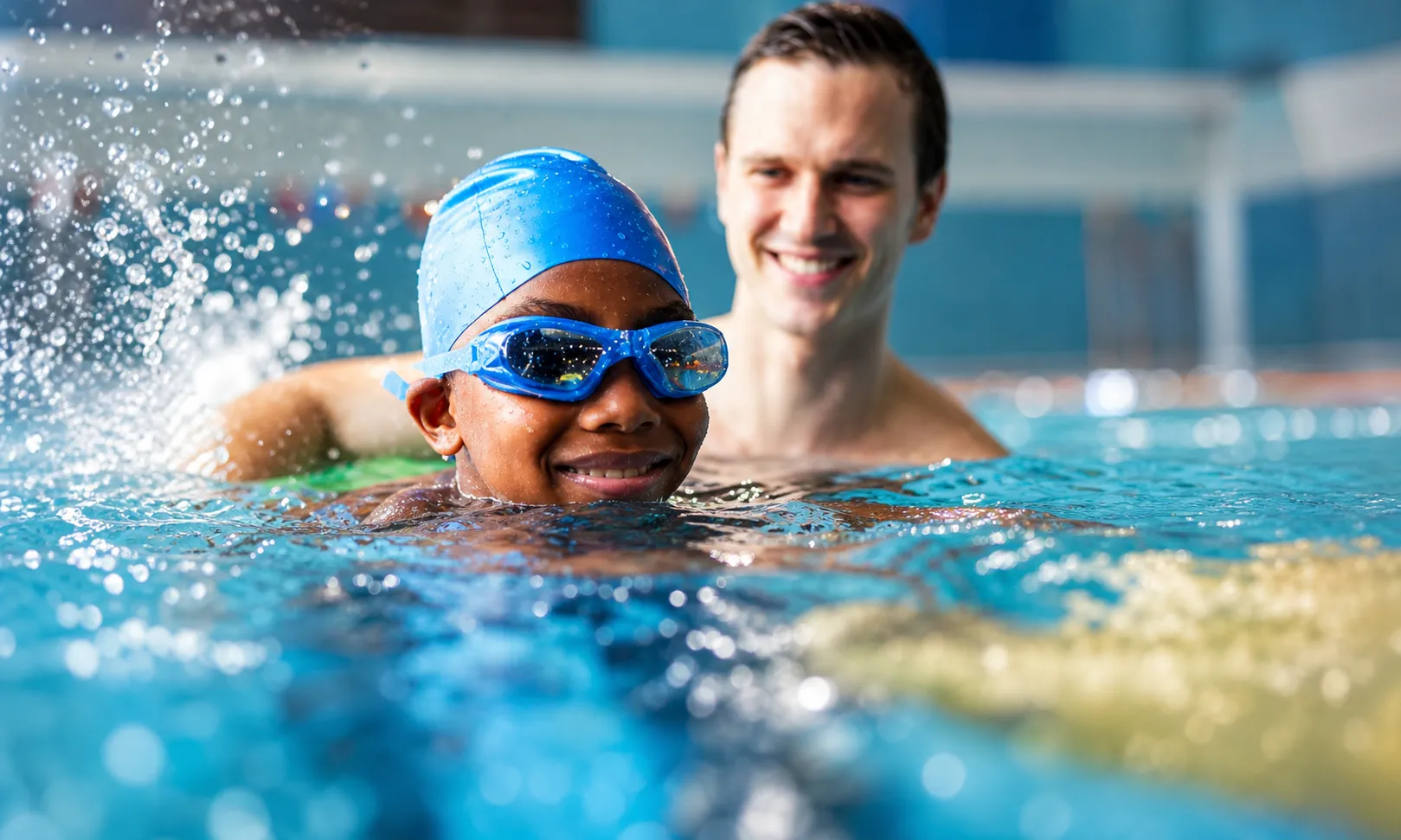
Swimming lessons and water safety skills form another essential layer. Formal swimming instruction has been shown to reduce drowning risk, though children who have received lessons still require close supervision. Doctors recommend that children learn basic water competency including floating, moving through water, and understanding how to respond if they find themselves in trouble.
CPR training represents a critical component of preparedness that many families overlook. Knowing how to perform cardiopulmonary resuscitation can prevent brain damage while emergency services arrive. Recent updates to CPR guidelines emphasize the importance of rescue breaths in drowning situations, as drowning victims need oxygenation as much as chest compressions.
Barriers and access control are equally important. The American Academy of Pediatrics recommends four-sided fencing around home pools that is at least four feet tall, with self-closing and self-latching gates. Families should remove pool toys when the pool is not in use, as these can attract unsupervised children to water. Buckets, bathtubs, hot tubs, and even small amounts of standing water pose drowning risks, particularly for very young children.
For younger children, supervision must be even more intensive. Nearly 70 percent of toddler drownings occur during non-swim times, when children unexpectedly access water. Some drownings happen in less than an inch of water. Parents are advised to never leave young children unattended near any body of water and to empty buckets and wading pools immediately after use.
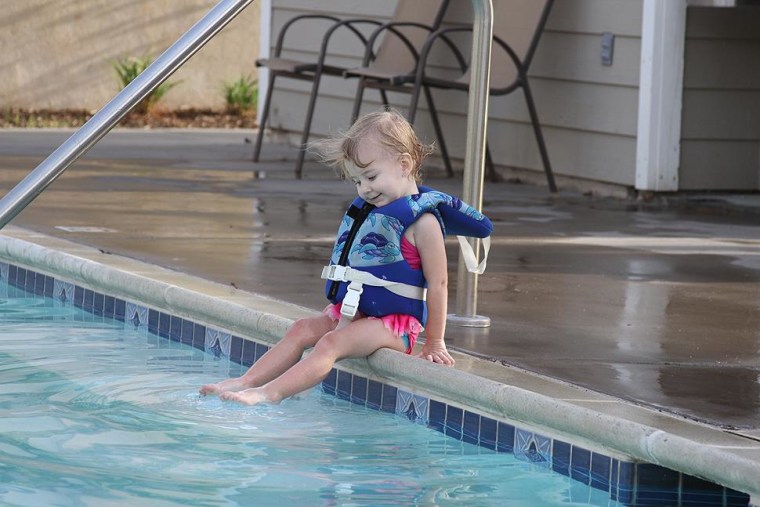
Life jackets, particularly those approved by the U.S. Coast Guard and properly fitted to a child’s size and weight, provide another protective layer. Experts caution that air-filled toys and water wings are not safety devices and should not substitute for approved life jackets. However, life jackets are not a substitute for supervision and constant attention.
Pediatricians are also emphasizing that families should discuss water safety risks with their healthcare providers, particularly for children with special health care needs. Children with autism, epilepsy, seizure disorders, and certain cardiac conditions face significantly elevated drowning risk and require tailored safety strategies.
Medical professionals stress that families need not feel helpless in the face of this public health challenge. Each protective layer reduces risk, and the combination of barriers, supervision, skills, and preparedness can prevent most drowning tragedies. Pediatricians encourage families to start conversations about water safety long before summer arrives and to take concrete steps—such as enrolling children in swim lessons, taking CPR classes, and installing pool barriers—before any water activities begin.
The key message from medical experts is clear: drowning is fast and silent, but it is preventable. Families that prepare themselves with knowledge and establish multiple safeguards significantly reduce the risk that a moment of inattention will result in tragedy. As warm weather approaches and families spend more time around water, this preparation can literally mean the difference between life and death for a child.