

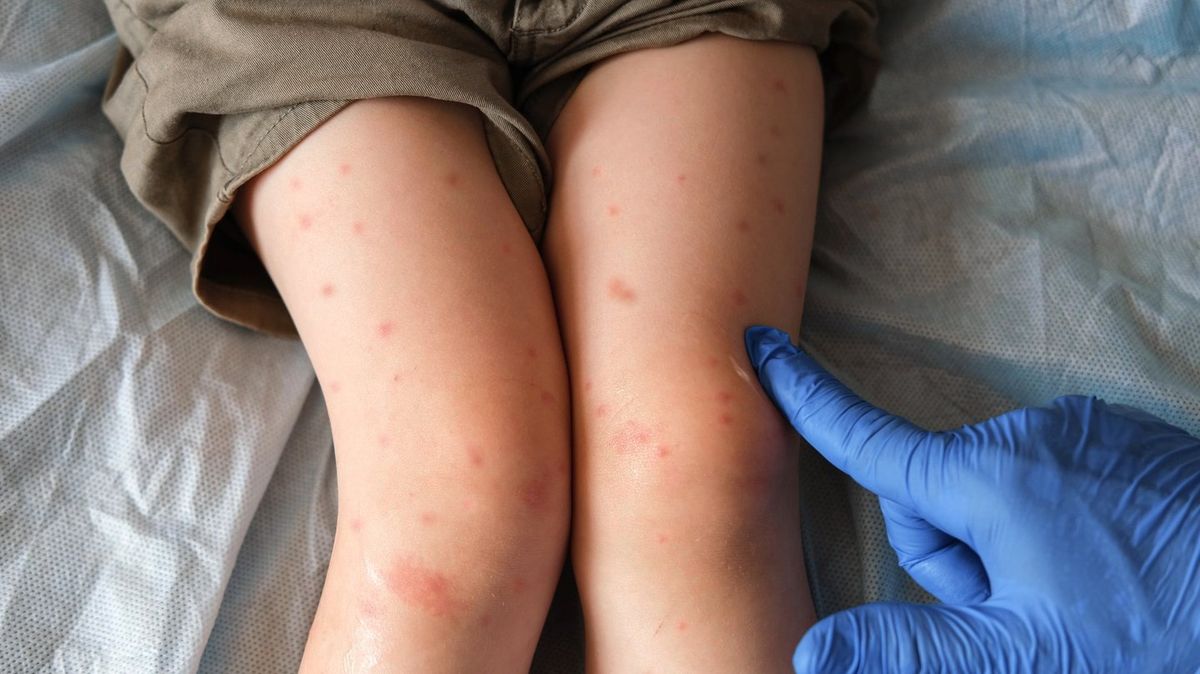
The death of a seven-year-old from a rare brain disorder linked to a past measles infection has highlighted how the virus can have deadly consequences long after the initial illness.
US health figures have already logged more than 1,000 measles cases this year, following a sharp rise in infections reported toward the end of 2025.
Although measles can be prevented with vaccination, uptake is not universal. Experts warn that serious complications are not uncommon, with around one in five children who contract measles needing hospital care.
Doctors also caution that recovery from the initial infection does not always mean the risk is over. That reality is reflected in the case of a child who died at Children’s Hospital of Orange County in California after developing a delayed neurological condition associated with measles.
According to reports, the child caught measles at seven months old and was believed to have recovered. Years later, at age six, he began to experience seizures and a decline in cognitive function. Physicians diagnosed subacute sclerosing panencephalitis (SSPE), a progressive brain disorder tied to earlier measles infection.
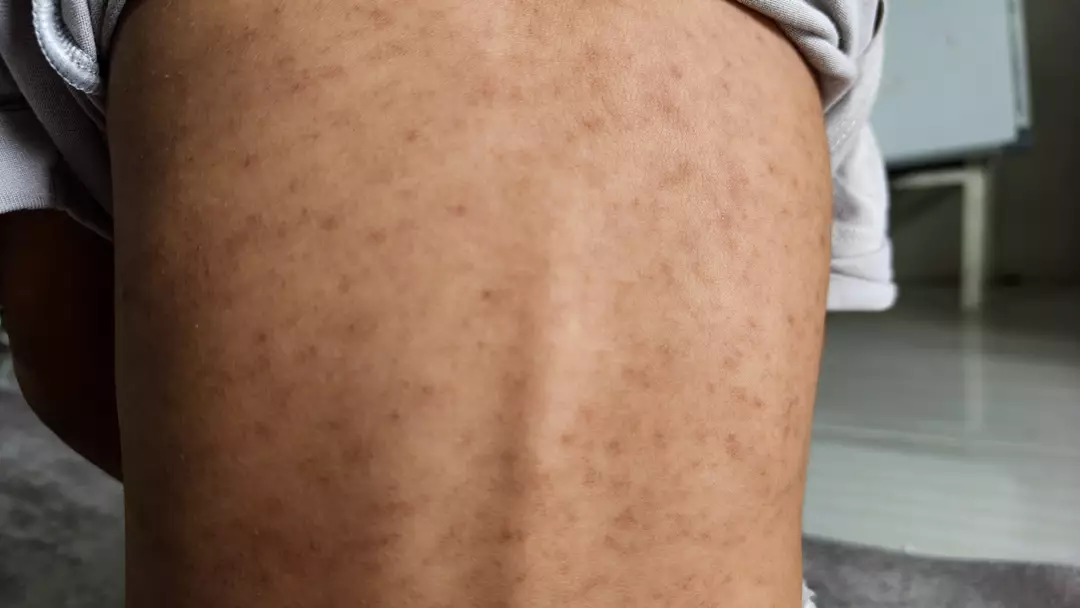
Measles commonly begins with symptoms that resemble a bad cold, along with fever and a distinctive rash. However, in rare situations the virus can remain in the body and later lead to severe complications years after the first infection.
Some mutated forms of the virus are associated with SSPE, which can emerge long after someone appears to have fully recovered.
Speaking to the New York Post, Dr. Sharon Nachman said: “The measles is sort of sitting around in your brain and causing, on the cellular level, changes that sit there quietly.
“You could have had your measles as a 2-year-old, and now you’re in college, and all of a sudden your brain falls apart and you have no future.”
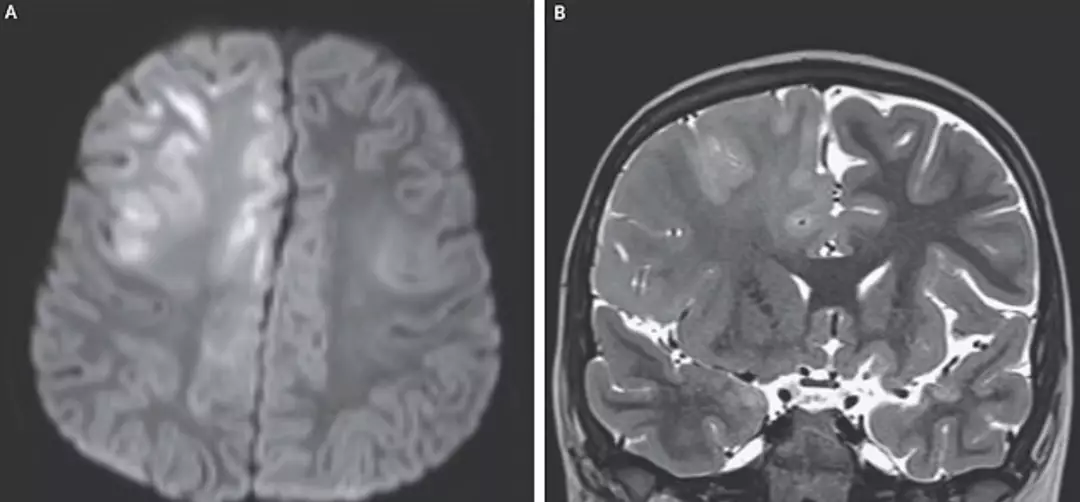
SSPE remains extremely uncommon, occurring in roughly one out of every 50,000 measles cases.
Encephalitis International notes that SSPE most often starts to appear six to eight years after an initial measles infection and is “related to destruction of the infected brain cells”.
There is no known cure for SSPE, though some medications may slow progression and extend survival.
The Encephalitis website explains: “Death is usually caused by pneumonia. Very rarely SSPE comes on more quickly and progresses more rapidly, particularly if measles is caught by the infant around the time of birth. SSPE can also be rapid if it appears in a mother during her pregnancy.”
In the US, three measles-related deaths were recorded last year. It has not been confirmed whether the seven-year-old who died had received a measles vaccine.