

Warning: This article contains discussion of rape and murder which some readers may find distressing.
Rachel Nickell’s killing horrified the UK and exposed one of the Metropolitan Police’s most infamous investigative failures.
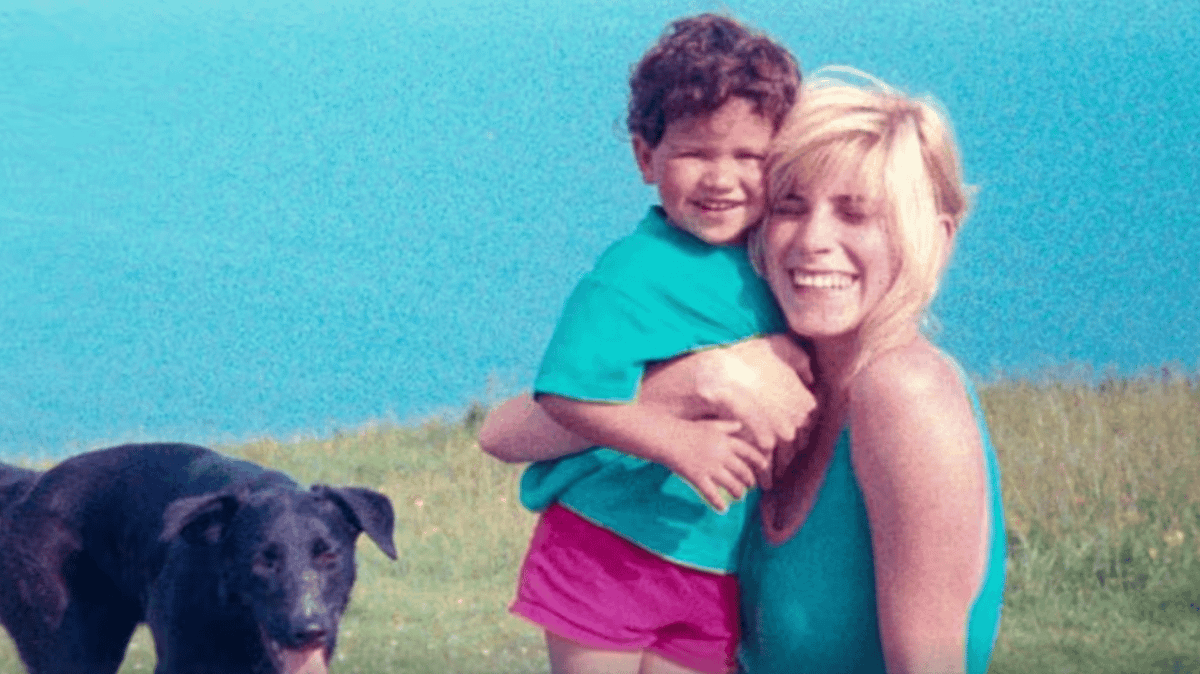
Rachel, 23, was out walking on Wimbledon Common with her dog, Molly, and her two-year-old son, Alex, when she was attacked in daylight. She was stabbed 49 times, and the case would remain unresolved for years.
The murder took place in 1992, but it would be another 16 years before investigators were able to conclusively identify the man responsible.
That man was Robert Napper, and his crimes are examined in the new Netflix documentary The Murder of Rachel Nickell.
The film returns to a case defined not only by its brutality, but by missteps that sent investigators down the wrong path—while the real perpetrator remained at large.
It is also the story of a child who witnessed the aftermath of an attack that would shape the rest of his life.
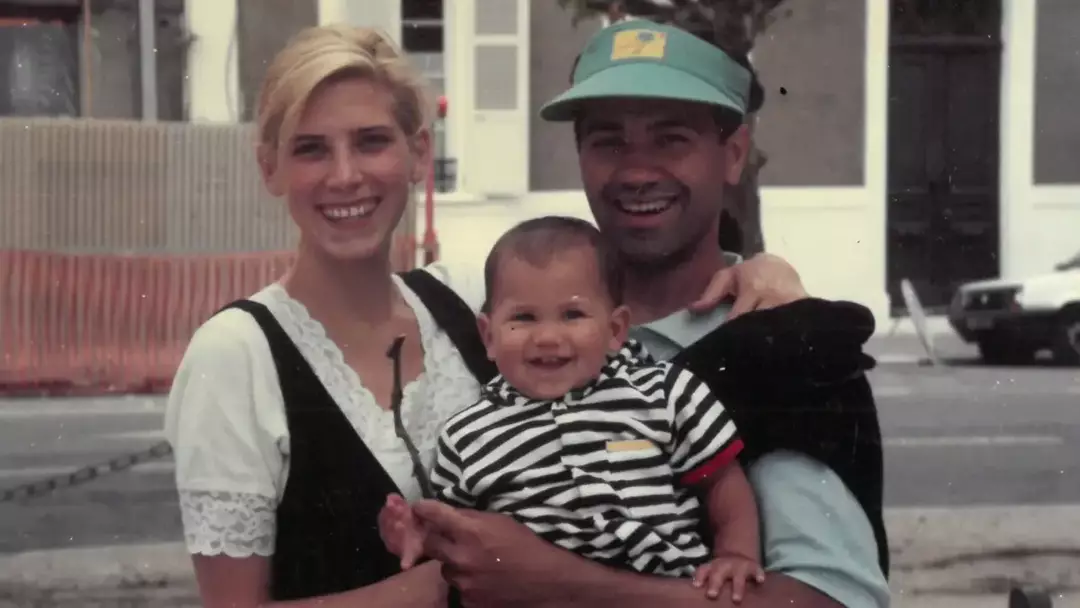
On July 15, 1992, Rachel was with Alex and Molly when a man came at them. Years later, Alex described what he remembered to CBS.
He explained that both he and his mother seemed to register something was wrong before they turned and saw a man sprinting toward them.
“I was grabbed and thrown roughly to the ground,” Alex said. “Seconds later, my mother collapsed next to me.”
Rachel had been stabbed more than 40 times and sexually assaulted.
Alex later recounted seeing the attacker wash his hands in a nearby stream before fleeing. He tried to rouse his mother, not understanding the severity of what had happened. When paramedics arrived, they found a receipt placed on Rachel’s forehead—something Alex had done in an attempt to help. In the years that followed, he grew up with the knowledge that the person who did it had not been caught.
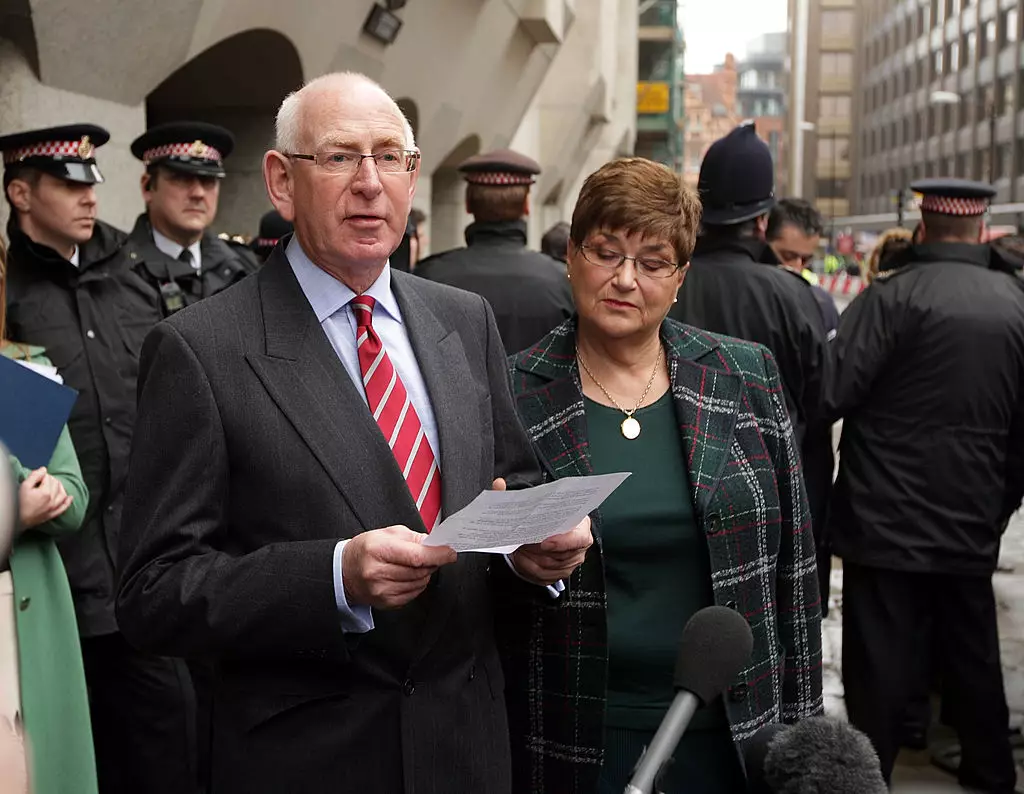
Within weeks, forensic psychologist Paul Britton was brought in to advise on the inquiry. He developed a profile suggesting the attacker was under 30, socially isolated, and may have had an interest in martial arts—details that were later shared publicly.
The investigation that followed became a cautionary tale.
Police arrested Colin Stagg and pursued a prosecution that ultimately fell apart at the Old Bailey. Stagg, who maintained his innocence, spent a year in prison before DNA evidence later eliminated him from involvement.
During that time, the actual killer was still free to attack again.
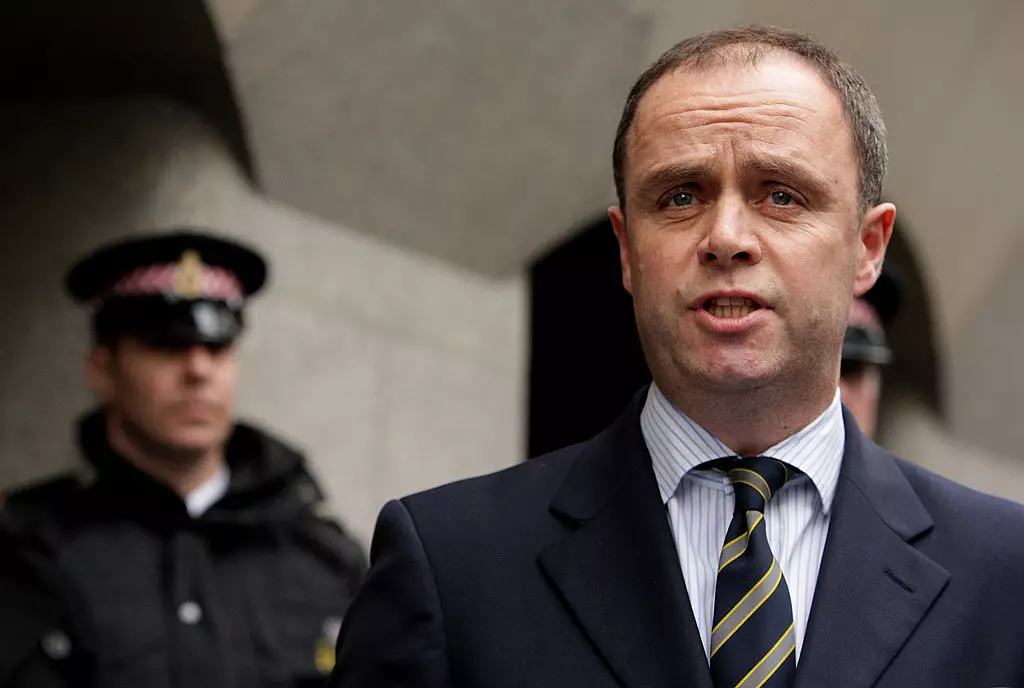
Napper, who lived in Plumstead and had been diagnosed with paranoid schizophrenia, had already appeared on law enforcement’s radar in connection with other crimes.
He was a key suspect in the Green Chain Rapes, a series of sexual assaults on women in southeast London—often committed while victims were walking outdoors, sometimes with their children nearby.
Crime writer and former detective Luke Delaney, who investigated and later wrote about the case, said Napper had even confessed to his mother that he carried out one of the attacks.
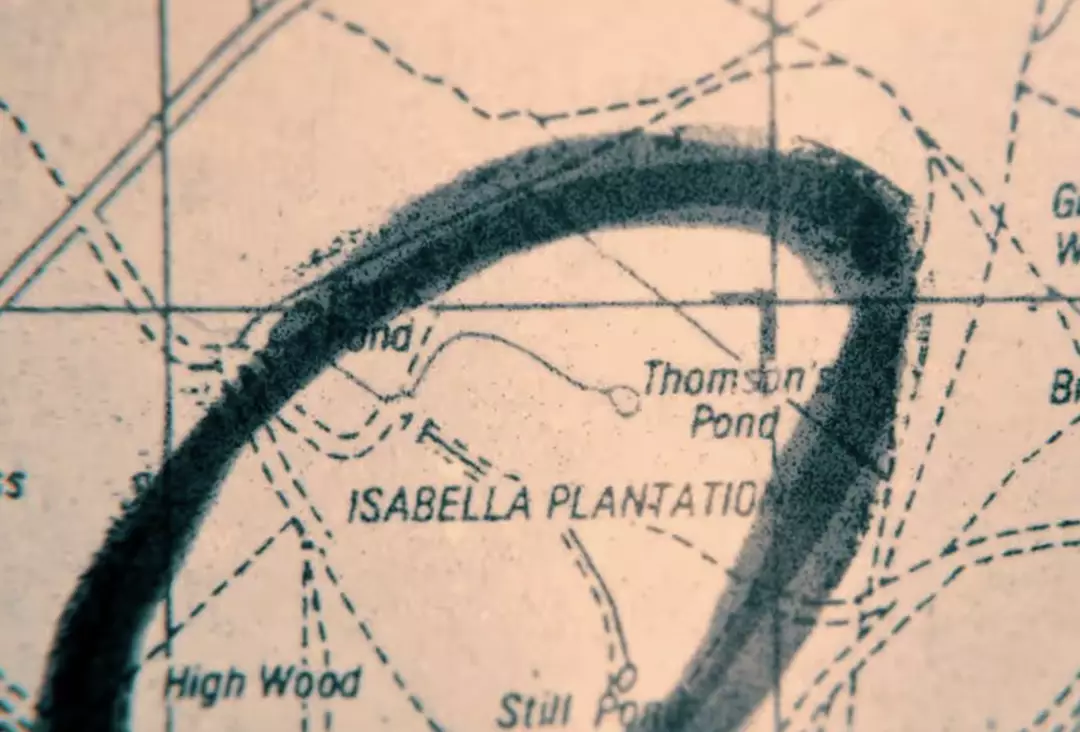
Delaney also described how officers searching Napper’s home found a London A-Z with multiple locations circled—an apparent record of places linked to assaults.
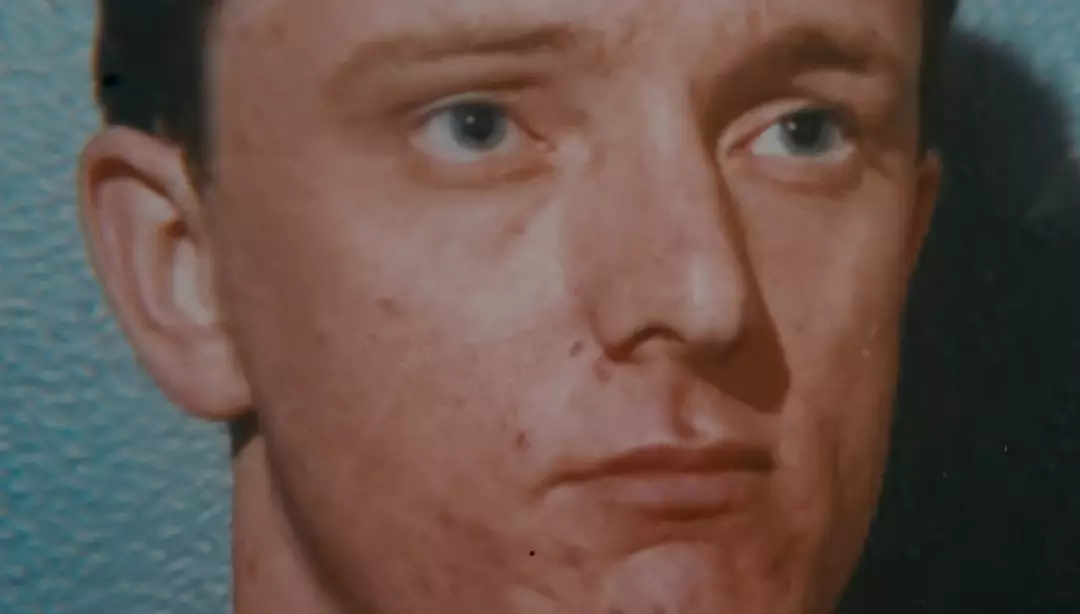
Then, just months after Rachel’s death, Napper committed another crime. In November 1992, he followed 27-year-old Samantha Bisset to her home and fatally stabbed her. He also killed her four-year-old daughter, Jazmine. The scene was reportedly so traumatic that the police photographer assigned to document it was unable to work for months afterward.
When Napper’s property was later searched, officers found a crossbow, a loaded firearm, and ammunition.
Delaney has characterised Napper as an exceptionally violent offender in modern British criminal history.
“Peter Sutcliffe and others are all household names,” he said. “He is by far the scariest, most violent murderer I can think of.”
Napper was arrested in 1994 after a fingerprint recovered from Samantha’s home was matched to him. He was convicted of the murders, as well as rape and attempted rape offences. Rachel’s case was not formally linked to him until 2008, when DNA evidence connected him to her killing and secured the final conviction.
He is detained at Broadmoor under an indefinite hospital order and is not expected to be released.
Alex Nickell has spent much of his adult life trying to understand and live with what happened. As well as participating in the Netflix project, he worked on a companion series titled The Witness, focused on his experience and memory of that day. He said: “I had to accept that this case might never be resolved, so I was forced to find that closure and peace of mind within myself.”
The Murder of Rachel Nickell is streaming on Netflix now.
If you’ve been affected by any of the issues in this article, you can contact The National Sexual Assault Hotline on 800.656.HOPE (4673), available 24/7. Or you can chat online via online.rainn.org