


A video has broken down how smoking weed regularly can impact your brain, lungs and heart.
Most people accept that cigarettes are bad for your health, even if you only smoke occasionally. But daily cannabis use can also take a toll on the body, according to one viral breakdown.
It’s something that might make even the most committed routine-smokers pause, after a TikTok video set out to explain what happens when you smoke weed every day.
The clip, shared by Dr Boogie, outlines how regular cannabis smoking can affect the body over time — and the picture it paints isn’t exactly reassuring.
The video says: “When smoked daily, cannabis irritates the lungs and airways immediately.”
It adds that Tetrahydrocannabinol (THC) then moves into the bloodstream, ‘quickly reaching the brain and other organs within minutes’.
So what exactly is THC, and what can it do to your brain with frequent use?

THC is the main psychoactive compound in cannabis — the ingredient most responsible for the sensation of being “high”.
As the clip puts it, ‘THC binds to the brain receptors causing short-term euphoria and and altered perception’.
However, the video warns that smoking cannabis every day can increase tolerance, meaning someone may need larger amounts to feel the same effects.
It also suggests this pattern can lead to ‘potential changes in memory and learning areas’.
The video continues: “Over years of daily use, especially starting young, chronic exposure can cause lasting changes in structure and function like reduced volume in areas for decision making and memory with cognitive impacts,”
It goes on to say that while THC can initially trigger dopamine release, frequent use may raise mental health risks — including ‘dependency anxiety’ and depression — and could bring on ‘psychotic symptoms in vulnerable people’.
After the high fades, some people may also experience feeling ‘tired or a bit depressed,’ Healthline adds.
The lungs can be affected too, especially with long-term smoking.
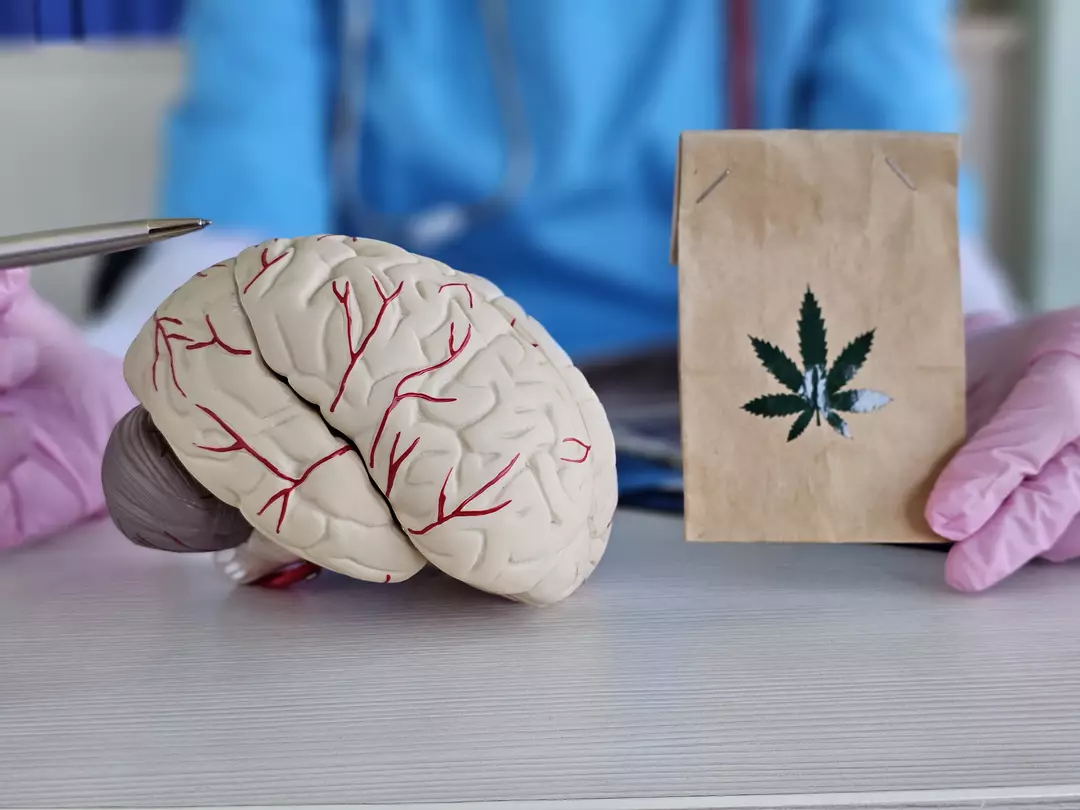
According to the breakdown, ongoing smoking can damage the lining of the lungs, with possible symptoms including a ‘chronic cough, increased phlegm, bronchitis symptoms and higher airway inflammation similar to tobacco effects in heavy users’.
The video also highlights cardiovascular effects, suggesting cannabis can raise heart rate and ‘can strain blood vessels over time’.
Some research, it notes, points to an increased risk of heart attack, heart failure, or stroke in certain people who smoke heavily.
At the same time, the clip stresses that outcomes aren’t the same for everyone, stating the effects can ‘vary widely by genetic, age of start and amount,’ and that impacts are ‘dose dependent’ and ‘often worse with heavy use’.
Healthline also cautions: “In people younger than 25 years, whose brains haven’t yet fully developed, long-term cannabis use can have a lasting detrimental impact on thinking and memory processes..”
For anyone who has smoked most days for years and is considering stopping, the message is that change can still help — even after long-term use.
The video says the harm caused by weed use can ‘improve after quitting’.
Healthline recommends focusing on a quitting approach that fits the individual, noting there’s ‘no perfect way,’ and suggesting steps like getting rid of any ‘stash’, changing daily routines, trying a new hobby, or setting specific milestones.
It also notes that understanding withdrawal can help people prepare, listing symptoms of cannabis withdrawal as ‘trouble sleeping, anxiety, aggression, irritability, depression, headaches, fever, chills and sweats, low appetite and cravings’.
Withdrawal effects are said to usually ease within around two to four weeks.
Anyone planning to quit may want to speak with a healthcare professional for support and guidance.
If you want friendly, confidential advice about drugs, you can call American Addiction Centers on (313) 209-9137 24/7, or contact them through their website.