

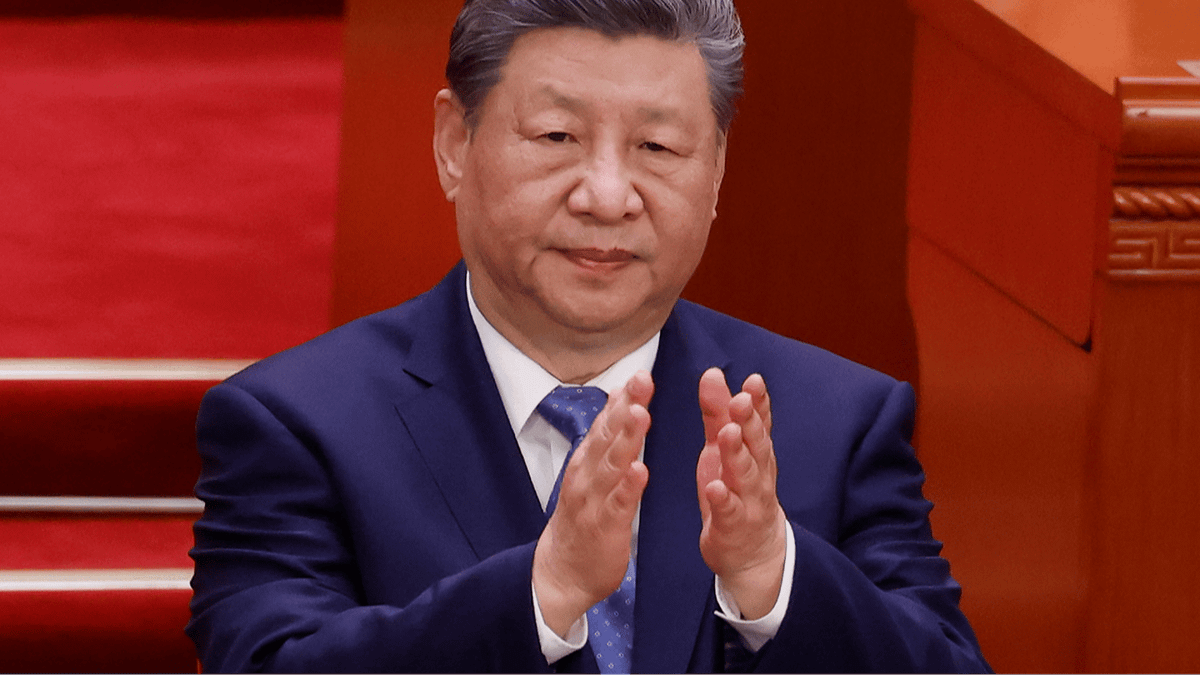
China has issued a firm warning over America and Israel’s continuing war with Iran, cautioning that the “flames of war” could quickly widen if the fighting is not brought to a halt.
For much of the week after US-Israeli strikes on Tehran’s regional ally, Chinese officials largely avoided detailed public comment. But with the conflict showing no clear sign of ending — and oil jumping to $119 a barrel over the weekend — senior voices in Beijing have now stepped forward.
The stakes for China are significant. Iran and the wider Middle East have become crucial to powering China’s industrial economy through energy supplies, while also serving as a major destination for state-backed investment. Countries in the region reportedly make up more than 10 percent of China’s overseas investment portfolio.
Speaking on Sunday at the annual gathering of the Communist Party’s legislature, Foreign Minister Wang Yi condemned the strike campaign in one of China’s most prominent public interventions since the conflict intensified. He said: “This was a war that should never have happened, and a war that benefited no one.”
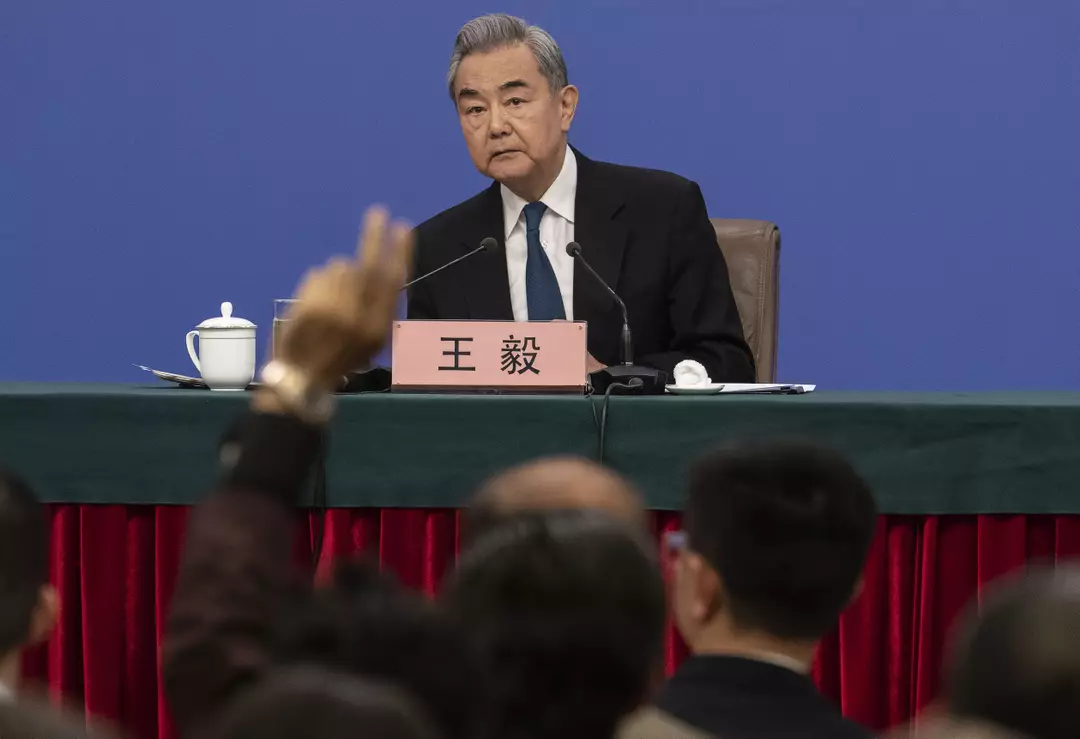
Yi also appeared careful not to directly target President Trump, who is expected to travel to China in the coming weeks to meet President Xi Jingping following months of heightened trade tensions.
Instead, he cast China as “the world’s most important force of peace, stability and justice,” while warning about the broader fallout from a conflict that has reportedly killed around 500 people in Lebanon and roughly 1,300 in Iran in just over a week.
Urging leaders to stop the situation from spiralling, Yi argued that outside powers must prevent what he described as the potential “spread of the flames of war” across the Middle East if fighting drags on.
“All parties should return to the negotiating table as soon as possible and resolve their differences through equal dialogue,” Foreign Minister Yi said, before imparting some wisdom on the US and Israel.
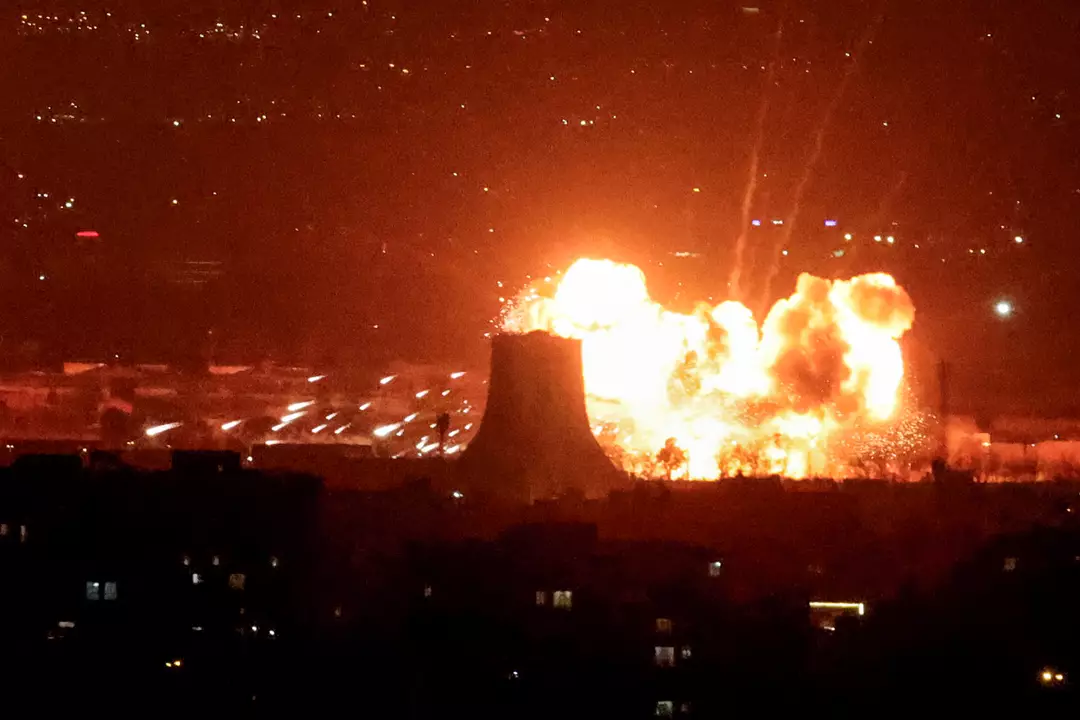
“Ancient Chinese wisdom warns that weapons are ominous tools, and should not be used without discretion,” Yi said at the Sunday press conference. “The Middle East is engulfed in flames. This is a war that should not have happened — it is a war that does no one any good.”
Those remarks were repeated again on Monday, as Chinese representatives met with partners in the Gulf to strengthen their push for a ceasefire and renewed diplomacy after talks reportedly collapsed on February 28, when Israel launched an attack said to have decimated Iran’s leadership, including Ayatollah Khamenei.
“China urges all parties to immediately cease fire and stop hostilities.” their regional envoy said on Monday after meeting with top Saudi officials.
Stability in the Middle East is not only a Western priority; it is central to China’s own economic and strategic interests. Many of Beijing’s large-scale investments are located in areas affected by the growing use of low-cost drones linked to Iran, which have contributed to damage across key infrastructure sites.
Among the most exposed assets are desalination facilities and oil refineries that have become targets within Tehran’s broader retaliation against Gulf states. Several of these sites reportedly include Chinese ownership stakes, but have suffered heavy damage and face major reductions in output.
That kind of disruption could hit China hard. The country is said to depend on the Middle East for roughly half of its oil needs, and until last week about a quarter of that supply was reported to have come from Iran.