

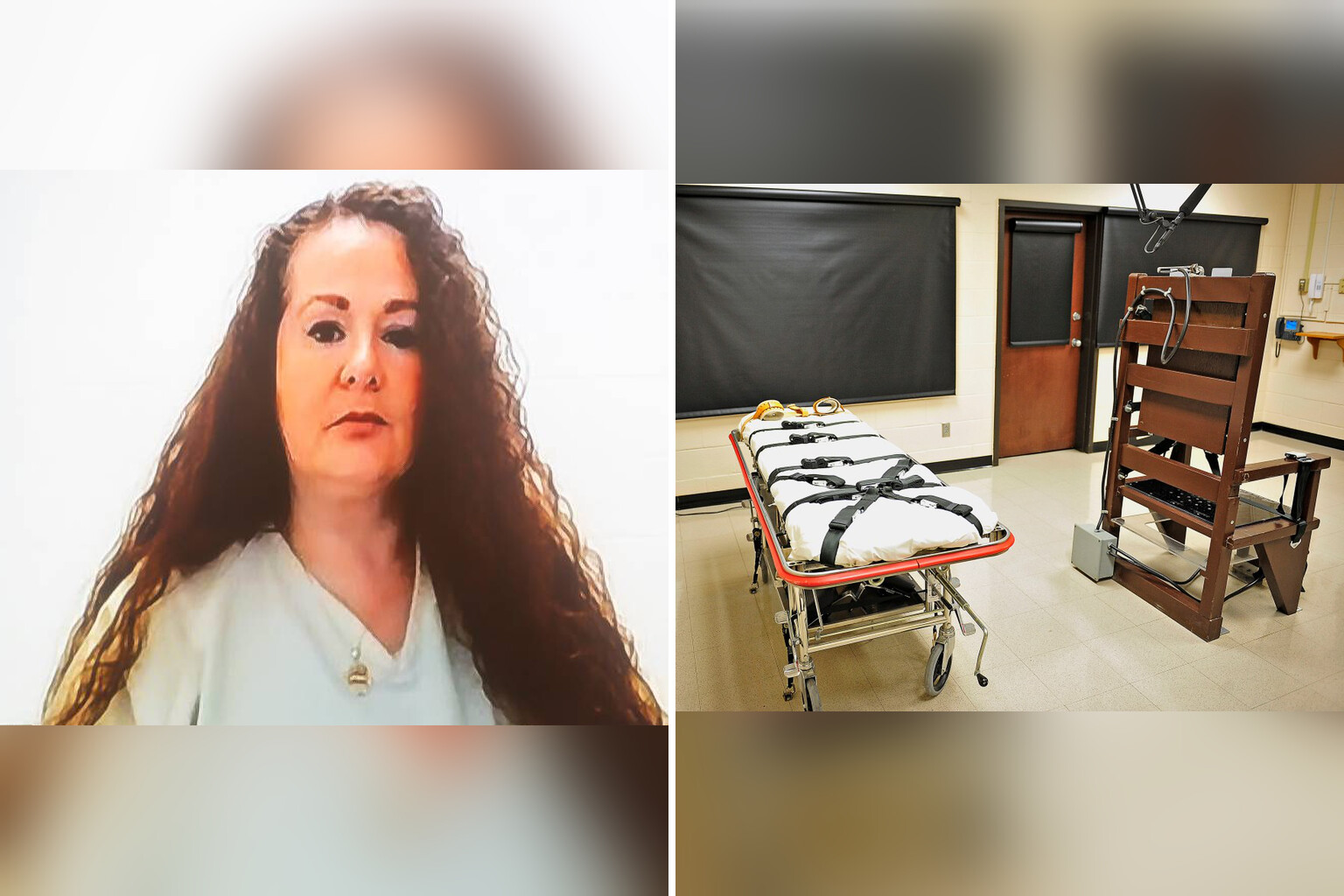
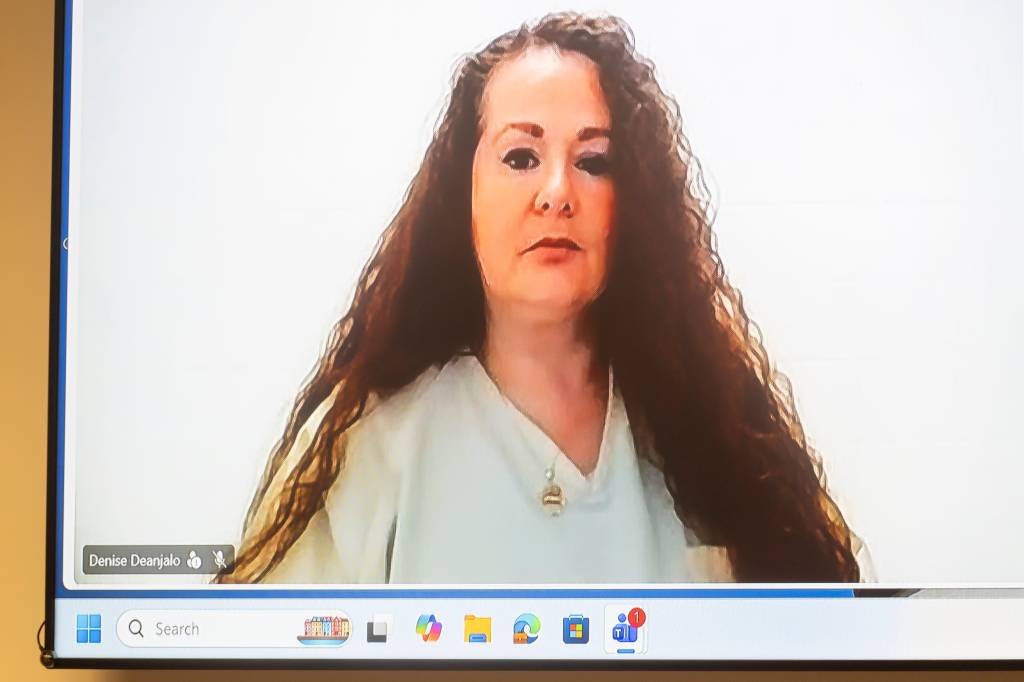
Christa Pike, 50, predicted her own botched execution in a prison recording made just weeks before Tennessee officials failed twice to administer lethal injection drugs to her.
Pike voiced specific fears about her physical condition and the medical team’s competence in the recording. She flagged two problems she believed could derail the procedure: her poor veins and her doubts about whether the prison physician could properly insert a central line.
“The concerns I have on our lethal injection method are simply that I do not have good veins, and I’m worried about our physician not being qualified to start a central line on me,” Pike said in the recording.
She drew a direct parallel to another Tennessee death row inmate who had faced a similar ordeal months earlier. Tony Carruthers, also condemned in the state, had his lethal injection execution called off in May when officials could not complete the procedure.
“Tony Carruthers lived out my worst nightmare. Detail for detail. And I don’t want to go through that,” Pike said.
Those words proved prophetic when Pike was strapped to the gurney Wednesday for what was to be a historic execution. Officials attempted twice to administer the lethal drugs. Both attempts failed. Rather than dying, Pike was rushed to a hospital for emergency care.
Her attorneys have since painted a grave picture of her condition. They said she is in critical condition and receiving lifesaving care. They also raised the possibility of brain damage resulting from the bungled execution.
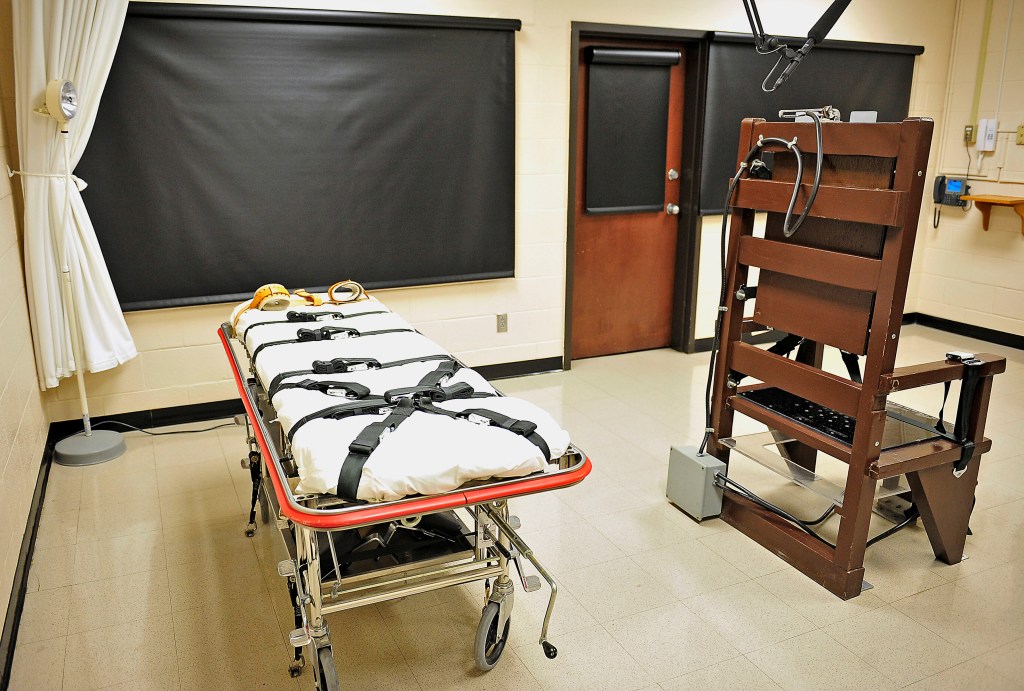
The failed procedure would have made Pike the first woman executed in Tennessee in more than two centuries. Instead, she became the first death row inmate known to survive a lethal injection attempt.
The case has intensified scrutiny of Tennessee’s execution protocols and the medical personnel tasked with carrying them out. The physician who oversaw Pike’s failed execution had also supervised Carruthers’s botched procedure in May, according to reporting on the incidents.
Pike was convicted for the 1995 murder of Colleen Slemmer, a fellow Job Corps student in Knoxville. Prosecutors said Pike, then 18, and an accomplice lured Slemmer to a remote spot, where Pike beat her with a chunk of asphalt and carved a pentagram into her chest. The crime made Pike the youngest woman sentenced to death in the United States at that time.
She has spent nearly three decades on death row while her case moved through appeals.
The back-to-back failures involving Carruthers and Pike have fueled renewed debate over lethal injection as an execution method. Critics have long argued that the procedure relies on medical techniques performed by personnel who may lack adequate training or qualifications, creating unnecessary risk of prolonged suffering for condemned inmates.
Pike’s own recorded words now serve as perhaps the most direct evidence of an inmate’s specific, documented fears coming to pass. She identified the exact vulnerabilities that would later stall her execution.
Tennessee Governor Bill Lee has halted all executions in the state following the incident.