


After enduring months of sustained public pressure campaigns targeting its branches across multiple states, Citizens Bank announced on Friday that it will end its credit facilities with two major private prison operators: CoreCivic and The GEO Group. Both companies run Immigration and Customs Enforcement detention centers where the federal government holds immigrants awaiting deportation proceedings.
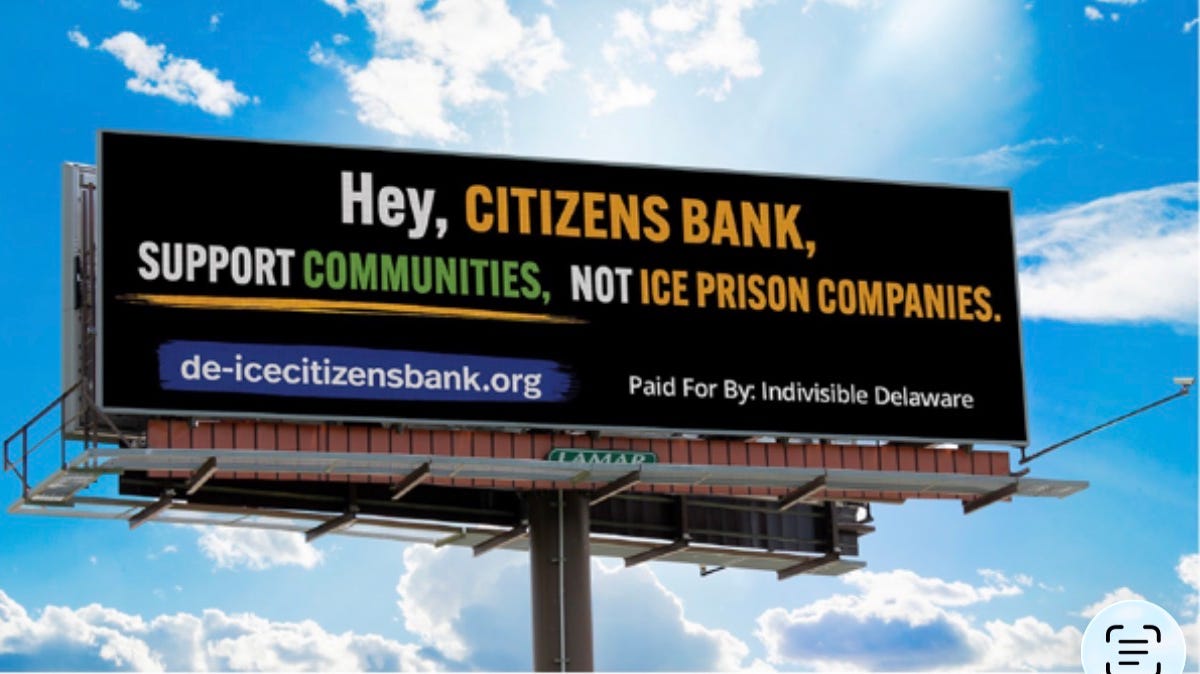
The decision represents a significant victory for the De-ICE Citizens Bank Coalition, an alliance of more than 100 community organizations, religious groups, unions, and advocacy organizations that has been orchestrating a coordinated campaign against the bank since January. The coalition has organized hundreds of protests at Citizens Bank branches across multiple states, including targeted demonstrations in New Jersey, Massachusetts, Rhode Island, Pennsylvania, Ohio, and other regions.
Citizens Bank, based in Providence, Rhode Island, is one of the 20 largest banks in the United States with approximately $186 billion in deposits. The bank announced that its decision to end the relationships with CoreCivic and GEO Group stems from changing financial needs of the two companies, specifically noting that CoreCivic has sold several detention facilities to the federal government and GEO Group appears positioned to do the same. As a result, the bank said, these companies no longer require the services of a financial institution of Citizens’ size.
However, the bank’s explanation has drawn skepticism from activists. Citizens said its exit is “a business decision based on changed commercial circumstances and does not reflect any change in our view regarding these companies’ business models or operations.” The De-ICE Citizens Bank Coalition responded by saying the bank’s framing masks the reality of the situation, declaring that “public conscience and community resistance matter and have paid off.”
The coalition remains cautious, requesting that Citizens provide written confirmation that it is terminating all banking relationships with both companies, not merely the credit facilities. The coalition cited the bank’s statement referencing a federal requirement preventing it from denying services to businesses based on political considerations, expressing concern about potential loopholes.
Citizens Financial Group had maintained financial relationships with CoreCivic and GEO Group even as most major competitors retreated from the private prison sector. In 2019, eight major banks including JPMorgan Chase, Wells Fargo, Bank of America, and Citibank announced they would stop financing private prison operators. Citizens notably did not follow suit and instead deepened its involvement in subsequent years.

The bank played a significant coordinating role in structuring complex financing arrangements for both companies. According to organizers, Citizens provided CoreCivic and GEO Group with a combined $2.5 billion in financing since its initial engagement with the companies. In April 2024, Citizens led a group of lenders in arranging a $1.3 billion credit agreement for GEO Group. The bank also orchestrated a separate $700 million credit agreement and oversaw a $1.275 billion registration rights agreement for GEO. For CoreCivic, Citizens led a group of lenders that arranged $500 million in financing in 2025. As recently as January 2026, Citizens expanded GEO Group’s borrowing capacity by an additional $100 million.
The pressure campaign that led to Citizens’ decision involved multiple coordinated strategies. Religious organizations proved particularly effective advocates. The Greater Boston Interfaith Organization, comprising more than 60 religious groups and unions, withdrew $1 million from Citizens Bank in May 2026 after the bank’s CEO initially failed to follow through on a commitment to meet with organization members. That organization ultimately moved $3 million to other financial institutions. The Greater Cleveland Congregations withdrew $1.7 million from Citizens Bank accounts across multiple Ohio churches.
In June 2026, Jersey City’s municipal government voted unanimously to withdraw $265 million in city funds from Citizens Bank due to the bank’s ICE detention contractor relationships. Brown University’s graduate labor union, AFT-RIFT Local 6516, withdrew approximately $500,000 from the bank. Collectively, the De-ICE Citizens Bank Coalition reports that individuals, organizations, and municipalities have committed to withdrawing more than $350 million from Citizens Bank accounts in recent months.
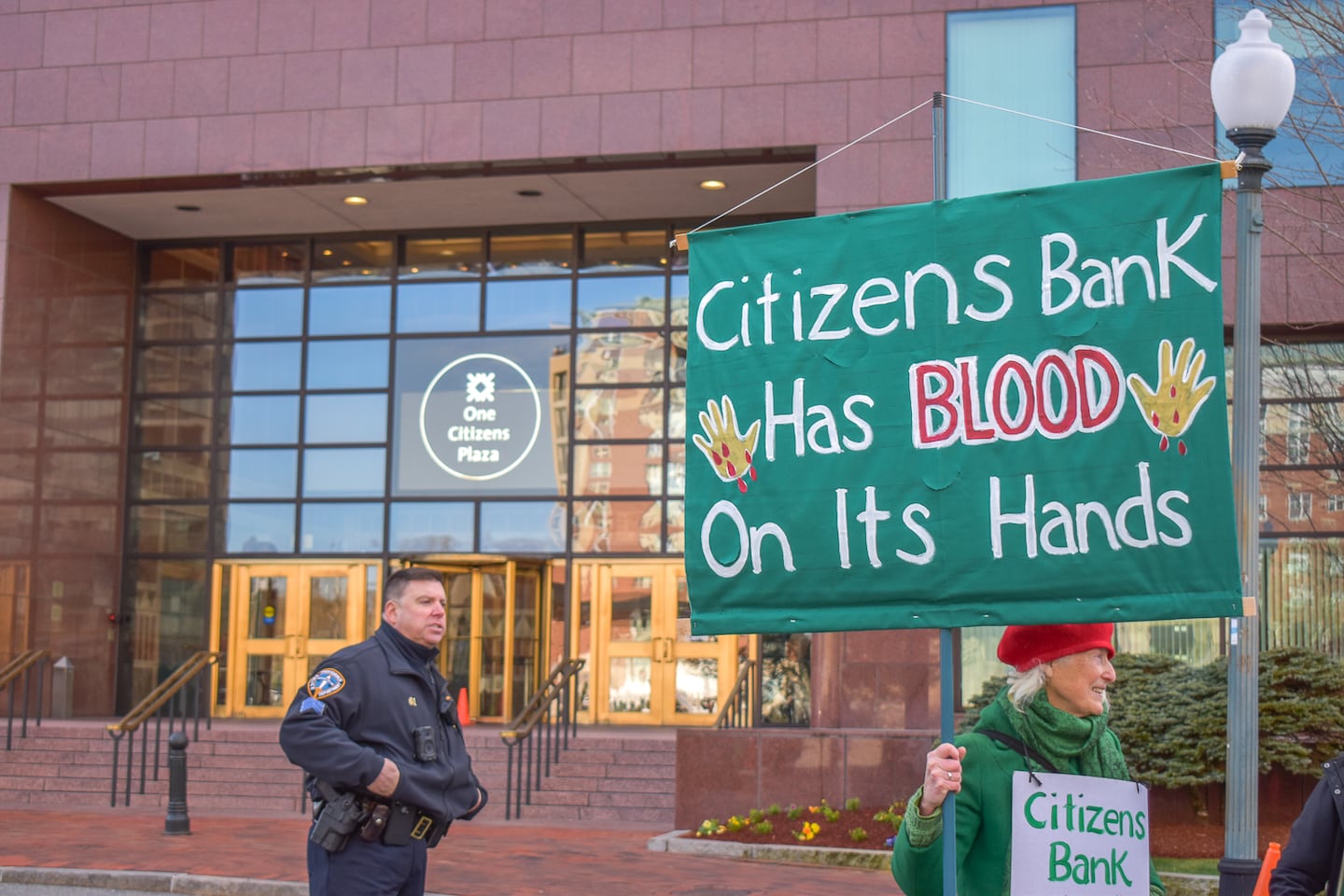
The campaign also included widespread branch protests. Activists targeted Citizens Bank locations across New Jersey towns in demonstrations organized by the coalition. At the bank’s Providence headquarters during its annual shareholder meeting in April 2026, hundreds of protesters gathered to demand divestment. The coalition coordinated national days of action, with the most recent planned for July 18, 2026—just one day after Citizens announced its decision to exit the relationships.
CoreCivic and GEO Group operate some of the largest detention facilities holding ICE detainees. Together, the two companies operate 47 ICE detention centers and hold more than half of the approximately 70,000 people currently detained by ICE. GEO Group operates Delaney Hall in Newark, New Jersey, a 1,000-bed detention facility that has become a focal point for activist concern. CoreCivic operates the Elizabeth Detention Center in New Jersey as well.
Both companies have faced serious allegations regarding conditions in their facilities. The facilities have been accused of denying detainees adequate medical care, subjecting them to inhumane conditions, and contributing to preventable deaths. In June 2026, a New Jersey lawsuit alleged that GEO Group refused state health inspectors access to medical units, sleeping areas, and bathing facilities at Delaney Hall, with reports of spoiled food, denied medical care, and the spread of communicable diseases including COVID-19, influenza, and a possible tuberculosis case.
The private prison industry has become increasingly profitable under Trump’s second administration, with Immigration and Customs Enforcement pursuing expanded detention capacity. CoreCivic reported a nearly 70 percent increase in net income in 2025, while GEO Group saw approximately 700 percent growth in net income that year.
Citizens Bank’s decision to exit the relationships, announced just as a major national protest day was being organized, represents the latest victory for campaigns targeting the bank’s relationship with the deportation system. Earlier this year, activists successfully pressured Avelo Airlines to end its deportation flight contracts with the federal government, though the airline, like Citizens Bank, stated that the decision was not influenced by protest activity.