


Research has conducted an in-depth analysis of the effects of Covid-19 vaccinations.
The vaccines were introduced during the pandemic with the goal of reducing the severity of Covid-19 symptoms and enhancing immunity against the virus.
Globally, socially distanced lines formed outside vaccination centers as individuals eagerly awaited their opportunity to receive the vaccine.
During the initial rollout, the swift development and deployment of the vaccines raised some concerns about their safety on such a large scale.
This study has now assessed the health effects of receiving the vaccine several years after the pandemic, which saw people confined to their homes and adapting to new technologies like Zoom for virtual communication.
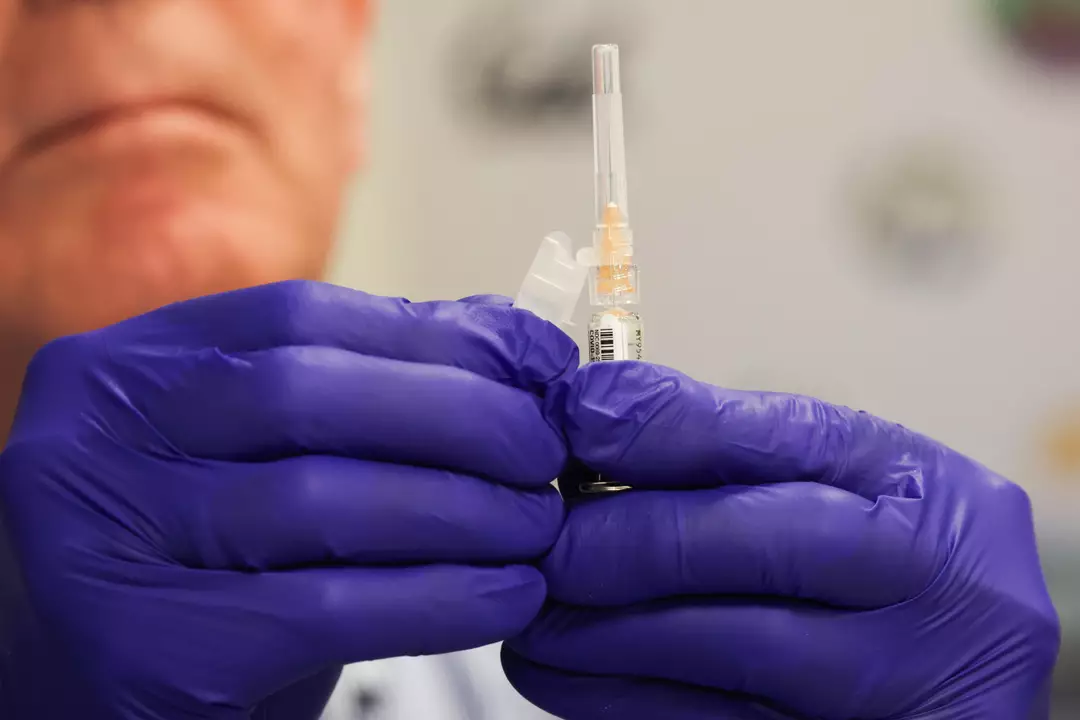
The findings indicated that individuals who received the vaccine generally had a reduced risk of mortality from any cause compared to those who did not.
Despite initial fears about potential long-term health issues from the vaccine, the French study demonstrated that adults who received at least one dose experienced significantly better health outcomes over a subsequent four-year period than those who remained unvaccinated.
The research included approximately 28 million French individuals aged 18 to 59.
Utilizing data from the French National Health Data System, the study examined 22.7 million people vaccinated between May and October 2021, and 5.9 million unvaccinated individuals as of November 1, 2021, with both cohorts tracked over approximately 45 months.
The size of the participant pool makes this the most extensive study to date on the long-term effects of the Covid-19 vaccine.
Among vaccinated individuals, the likelihood of dying from Covid-19 was reduced by 74 percent, while the overall risk of death decreased by 25 percent.
While it’s expected that the vaccine would lower the risk of death from Covid-19, what about the overall risk?
Researchers have suggested a possible explanation for this phenomenon.
Although Covid-19 is a threat on its own, there is also the risk of developing a secondary infection or condition as a result.
If the likelihood of becoming seriously ill with Covid-19 is reduced, this also lowers the chance of developing severe secondary conditions.
This is particularly crucial for individuals who are more vulnerable to the virus, such as the elderly or those with compromised immune systems.
As of February 2023, data from the European Centre for Disease Prevention and Control (ECDC) shows that over 976 million doses of Covid-19 vaccine have been administered.
While the widespread vaccination efforts observed during the pandemic have diminished, tens of millions of booster doses continue to be administered each season.
You can access the full study and its findings here.