

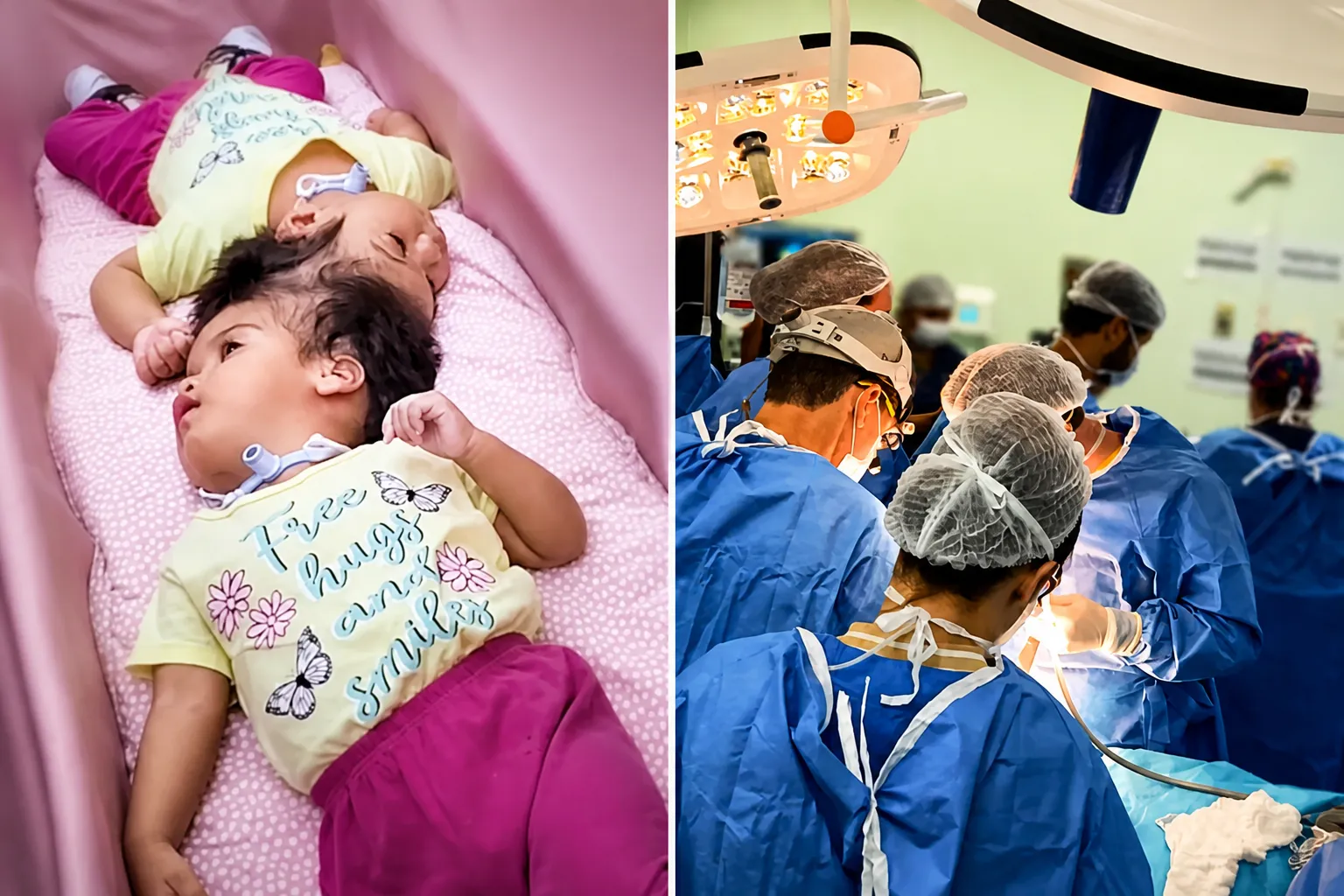
Twin 2-year-old sisters born joined at the head in Brazil died minutes after surgeons completed their final separation procedure.
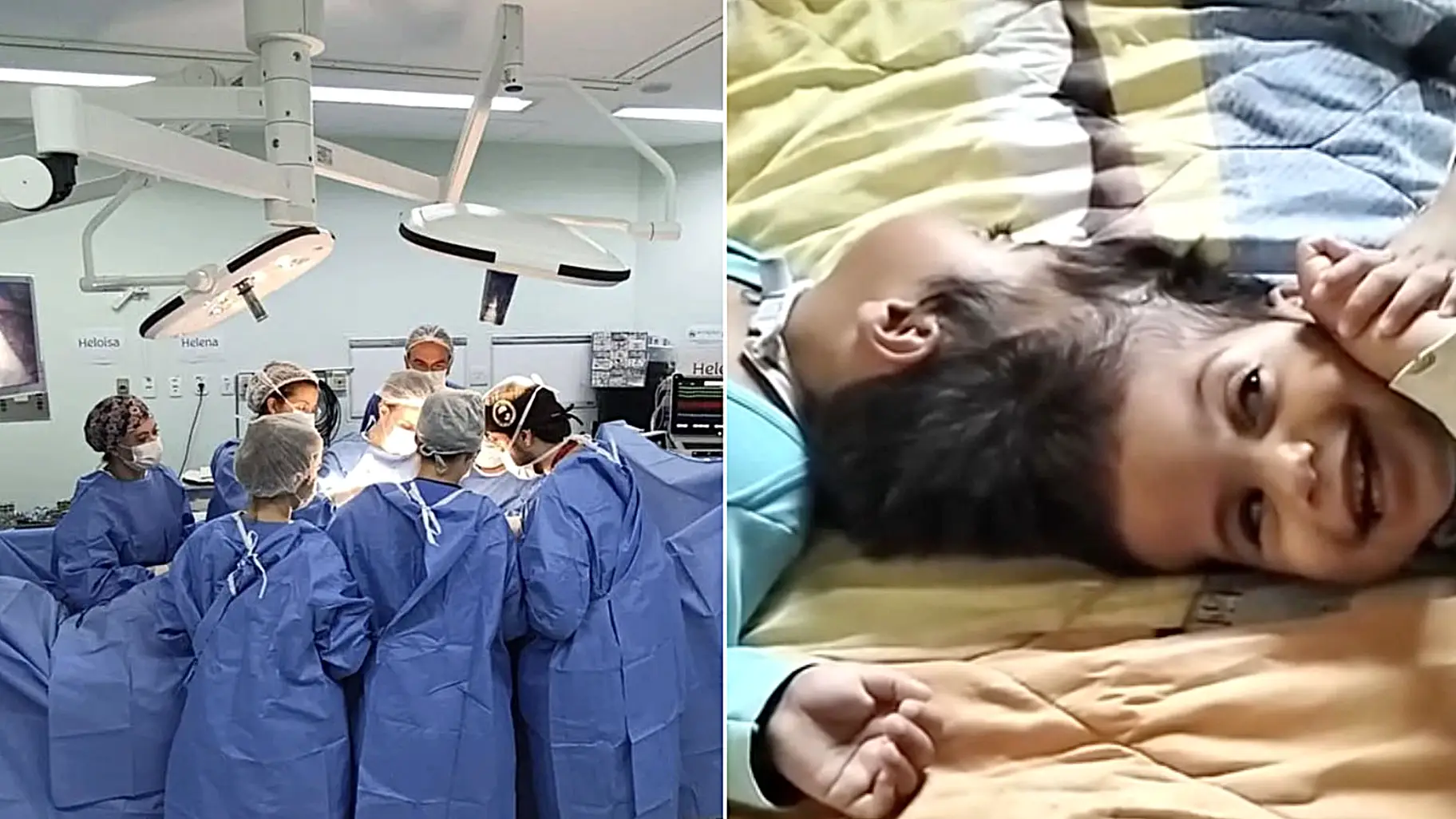
Heloísa and Helena Batista da Silva, aged two years and seven months, passed away on Saturday, Aug. 15, in Ribeirão Preto, São Paulo state, following a 15-hour fifth surgery that had just succeeded in separating them. The girls shared brain tissue and blood vessels, a condition known as craniopagus twinning that occurs in roughly one in every 2.5 million births.
The medical team had spent more than a year preparing the sisters for the final operation. Their first three surgeries had separated approximately 75% of their shared brain tissue and blood vessels. During the fourth procedure, doctors inserted tissue expanders to stretch the skin that would be needed to close their skulls once separation was achieved. All four prior operations had been completed successfully over the preceding 12 months.
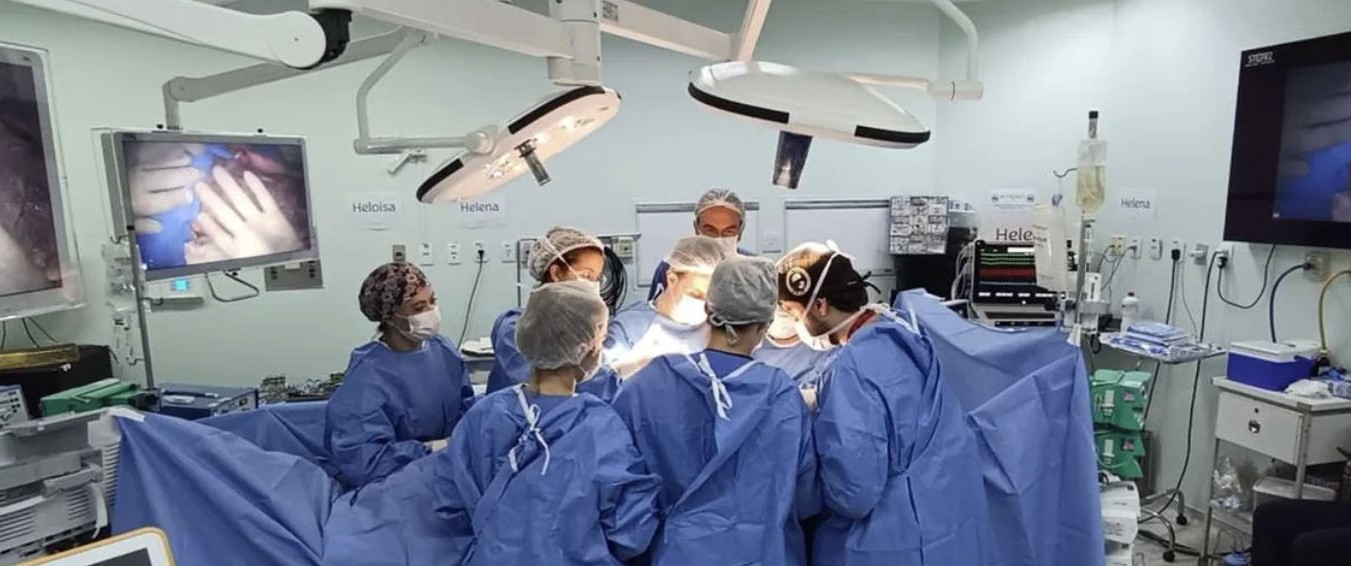
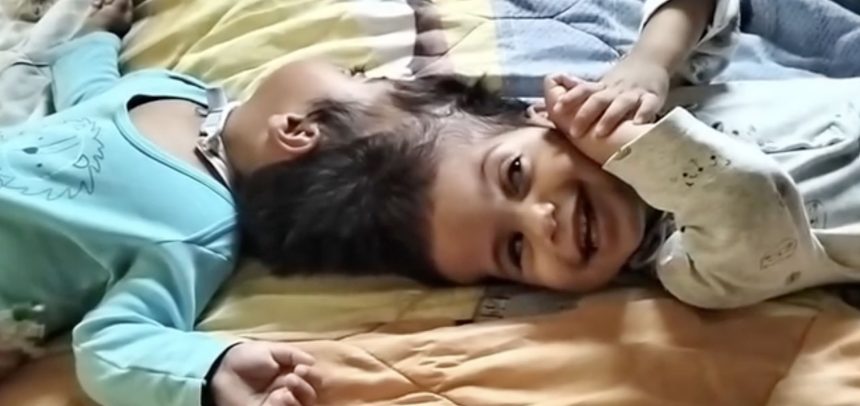
The fatal complications struck suddenly once the twins were finally separated. One twin developed critically low blood pressure while the other suffered dangerously high blood pressure. Helena suffered a heart attack at 11:12 pm, and Heloísa followed with her own cardiac arrest at 11:26 pm. The surgical team attempted resuscitation for 25 minutes but could not save either girl.
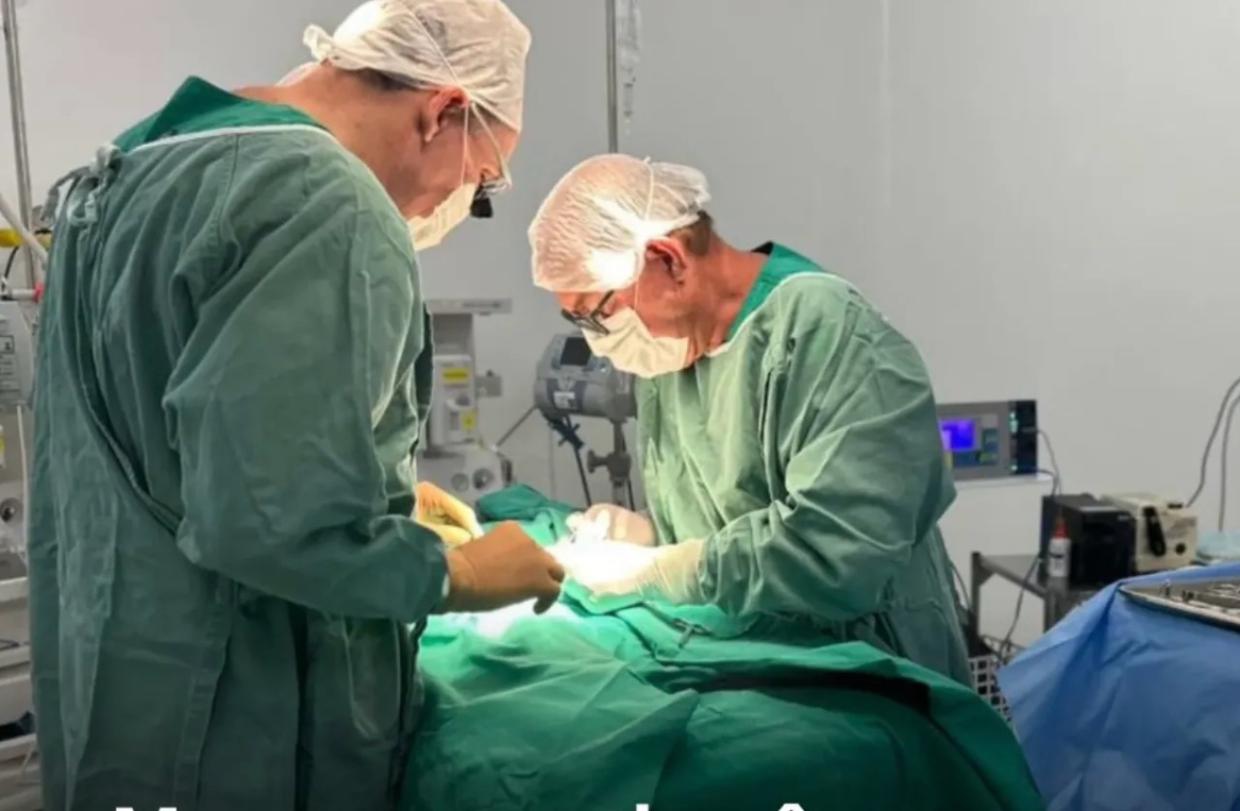
Plastic surgeon Jayme Farina Júnior, part of the operating team, described how the girls’ medical history had weakened them before the final surgery. “They had many bouts of pneumonia, they had a tracheostomy, they needed a gastrostomy for feeding, and they had episodes that also weakened their bodies,” he said.
“But at the moment of the final separation, their bodies could not withstand this instability, and then they progressed to cardiac arrest,” Farina Júnior continued.
Both girls suffered haemodynamic instability, meaning insufficient blood flow reached their vital organs, a condition that frequently leads to organ failure and death. The final operation required more than 50 medical staffers at the hospital.

The twins’ father, Amarildo Batista da Silva, publicly thanked the doctors and hospital staff despite the devastating outcome. The girls were buried on Aug. 16 in São José dos Campos, near their family home.
The twins had become known to the public through coverage of their rare condition and the extraordinary surgical effort to give them independent lives. Craniopagus twins face daunting odds: only 5% of conjoined twins are joined at the head, and about 40% are stillborn or die during labor, with another third dying within 24 hours. The chance of such twins surviving long enough to even attempt separation surgery is estimated at one in 10 million births. The Batista da Silva sisters had beaten those initial odds, surviving more than two years and enduring four preparatory operations before the final attempt.
The case echoes other recent separation attempts in Brazil. In January, conjoined twin boys Marcos and Matheus, born in Goiás state, died after an emergency separation surgery when one brother suffered cardiac arrest and the second failed to survive the operation to separate him from his deceased sibling. Pediatric surgeon Zacharias Calil, who led that procedure, described it as “one of the most challenging situations in medicine” and wrote on Instagram that “moments like this harshly remind us that our commitment is to fight until the very last moment with skill, responsibility and humanity.”