

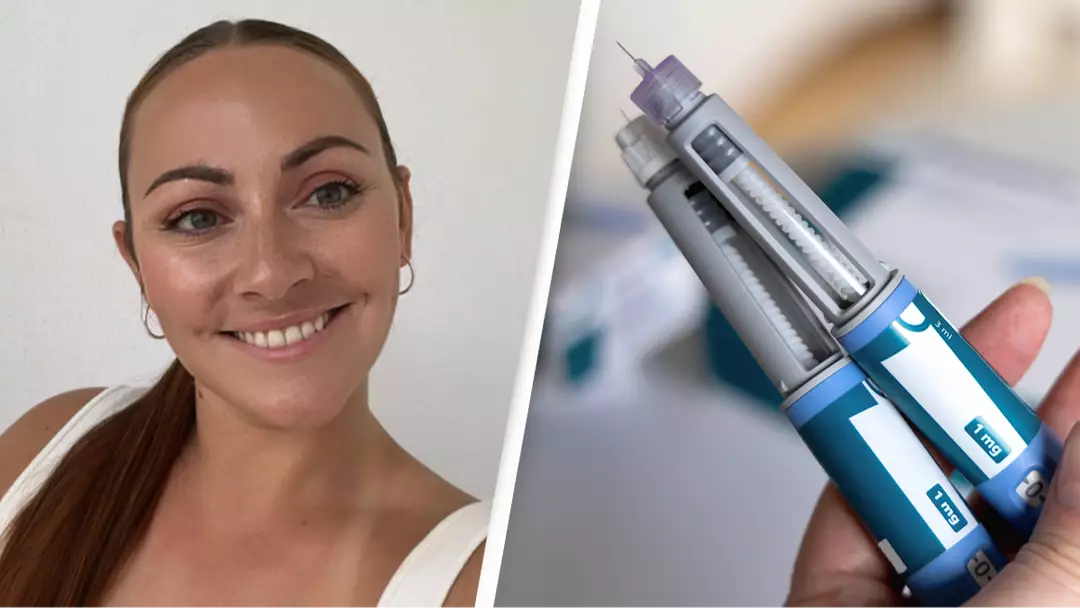
I experimented with both Wegovy and Mounjaro for weight loss but found myself dissatisfied with the outcomes.
Television and social media are flooded with advertisements for weight loss medications, often endorsed by women like Serena Williams, touting impressive transformations after years of battling weight issues.
I had been attempting to shed some pounds myself, as the numbers on the scale were increasingly reaching a point I was uncomfortable with. Aware that these injections were costly, I initially explored other weight loss avenues.
I tried various approaches, including Slimming World and the 5:2 fasting diet, and even invested heavily in a six-week personalized diet and exercise program. Unfortunately, none of these methods delivered the results I desired.
Ultimately, I decided to give Mounjaro a shot despite the financial commitment. Due to my height and weight, I qualified for the medication and took my first dose in July 2025.
In September, I transitioned to Novo Nordisk’s Wegovy under the guidance of a healthcare professional, as it became more affordable following significant price increases by Eli Lilly for its medication.
By Christmas 2025, I had lost approximately 14 pounds, far less than the substantial weight loss I had anticipated.
So, what went wrong? It’s a question I’ve pondered frequently.
Seeking answers, I consulted with Dr. Emil Gadimali, the founder of the UK-based weight loss program CutKilo.
Our conversation shed light on why I might not have achieved the results I was aiming for.
Initially, I underestimated the need for exercise while on the medication. I thought gym workouts would be a bonus rather than a necessity. Although I planned to increase my gym visits, a sports injury—a torn ACL and meniscus—required surgery and left me in a knee brace and on crutches for six weeks.
I assumed the injections would compensate for my lack of physical activity, but I was mistaken.
Dr. Emil explained that my reduced exercise meant I wasn’t burning enough calories during that period.
“To lose a meaningful amount of weight, a 500-calorie deficit per day is needed on average,” Dr. Emil stated, a challenging target without regular workouts.
While clinical trials show significant weight loss with Wegovy, especially at the 2.4mg dosage sustained for 15 months, I hadn’t reached that point. I had only managed to reach the 1.7mg dosage, which wasn’t enough for the desired results.
For those considering Wegovy, it’s crucial to understand the dosage requirements. Achieving a 17 percent body weight loss involves 15 months at the 2.4mg dosage, plus an initial five-month period to reach that dose.
“It takes quite a bit,” Dr. Emil remarked about the weight loss results advertised. “Finding the right therapeutic dose without side effects is the doctor’s task.”
I had hoped for a quick fix with Mounjaro and Wegovy, believing they would magically reduce my weight. However, I’ve realized they’re just part of a larger strategy that includes regular exercise, lifestyle changes, and maintaining a calorie deficit for sustainable weight loss.
“They help you reduce caloric intake,” noted Dr. Emil regarding GLP-1s. “It makes it easier to eat less, but it’s crucial to use them correctly.”
When ceasing the medication, healthy lifestyle changes are essential to counteract the return of ‘food noise,’ as it’s unlikely you’ll want to remain on the medication indefinitely.
If you choose to invest in weight loss medications, ensure you’re complementing them with the necessary efforts beyond the weekly injections.