

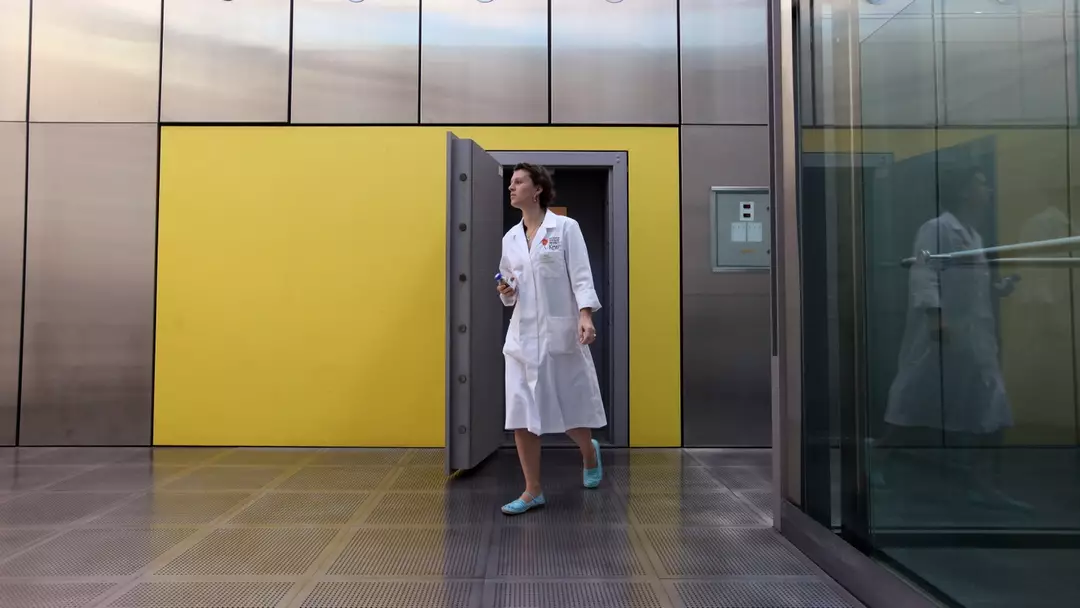
The contents of a ‘doomsday box’ have been unveiled 25 years after its creation, featuring unexpected items that might come as a surprise.
Typically, when individuals prepare their doomsday vaults, they fill them with essentials like first aid supplies, canned goods, non-perishable items, flashlights, and power sources.
However, the contents of this particular vault include something less common in survival planning—seeds.
Launched in 2000, the Millennium Seed Bank project established a 6.6-tonne vault in Sussex, England. Now, a quarter of a century later, the vault houses an impressive 2.5 billion seeds from 40,000 different plant species, according to the Kew Gardens website. The collection is the result of collaboration with 275 partners from 100 different countries.
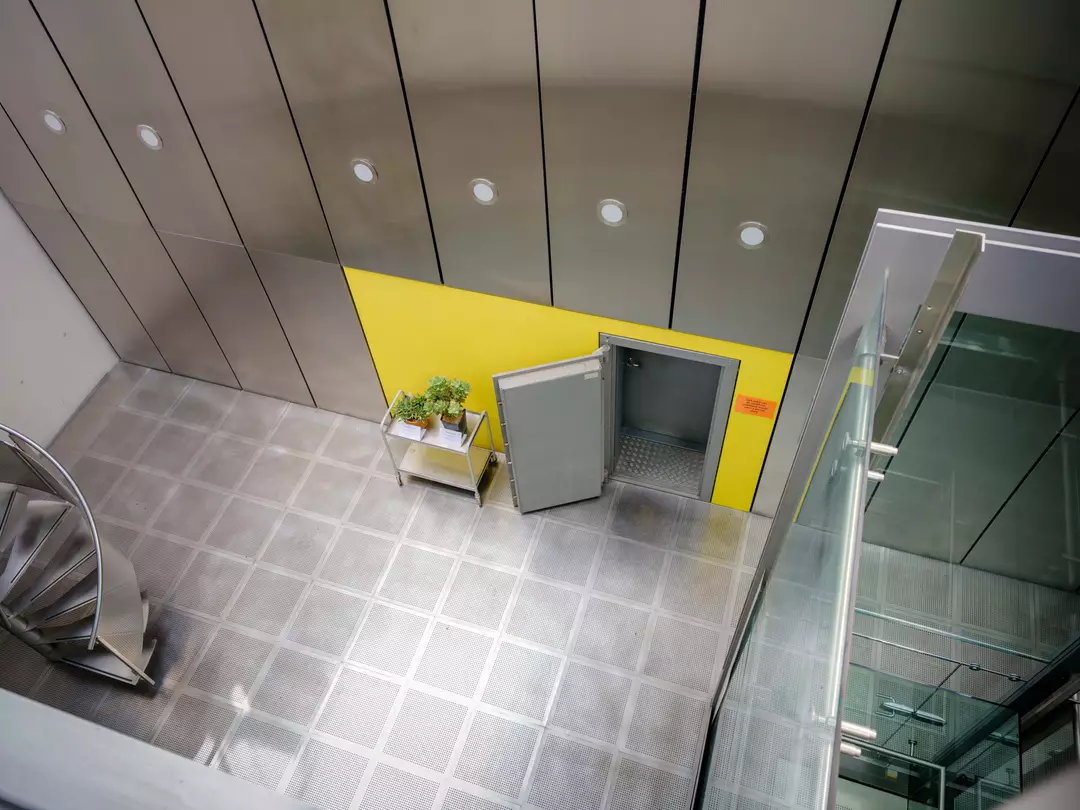
This invaluable seed collection is safeguarded beneath the wild botanical gardens of Wakehurst and is managed by the Royal Botanic Gardens. Noa Leach from BBC Science Focus recently had the opportunity to explore the vault and discover the variety of seeds it contains.
“The true figure [of seeds] is unknown, but the scientists who work here estimate there are over 6.6 tonnes of seeds in the vault, which covers a space the size of three tennis courts,” Leach reported.
“The seeds range in size from those almost as large as your fist (the palm tree Hyphaene thebaica, at 8.5cm wide) to the microscopic: Chinese orchid seeds, measuring just 0.07mm across – the width of a human hair. Some are kept in their dozens, some in their millions.”
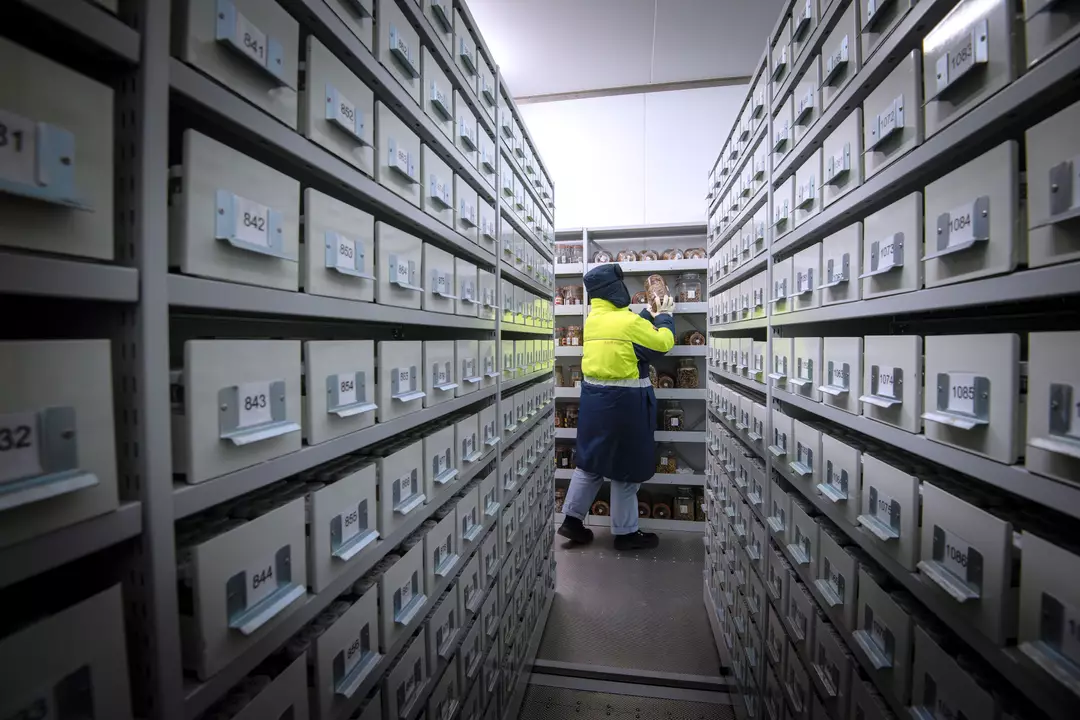
Preserved at a temperature of -20°C (-4°F), these seeds are kept in a suspended state, ensuring they remain viable for future planting.
At the time of its establishment, the vault’s future use was uncertain. However, Charlotte Lusty, head of seed collections at the Millennium Seed Bank, notes that ‘mini crises are happening all the time’ today.
She explained, “Even more importantly, we’re losing diversity before our eyes – we’re losing trees and flowers without really noticing.”
“We’re seeing rapid destruction, fire and flooding, and there’s also this gradual decline.”
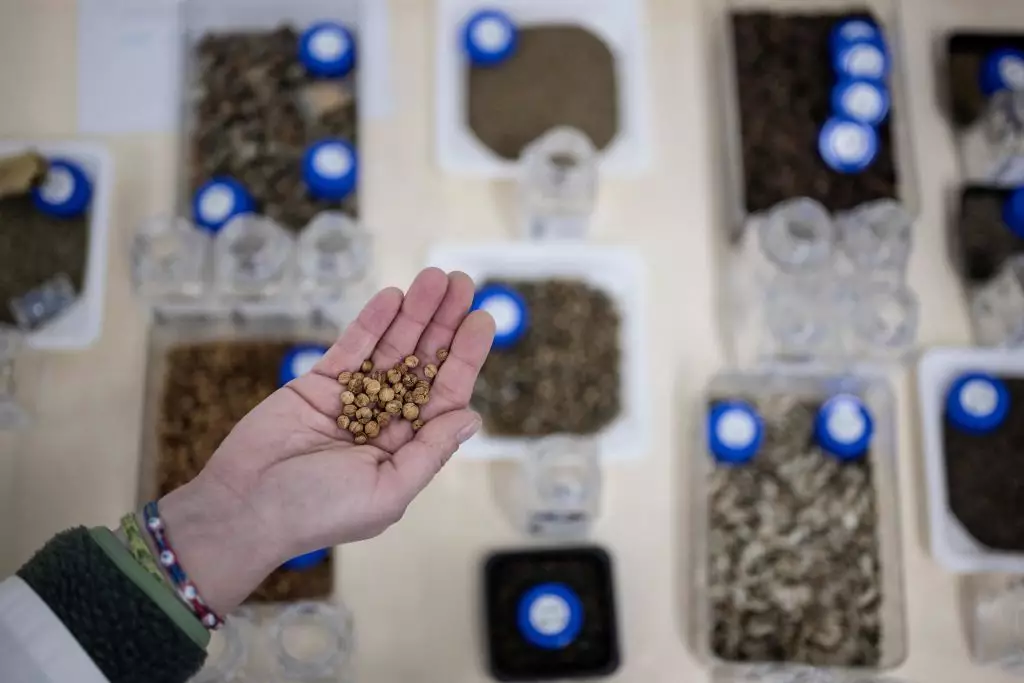
Threats such as climate change, wildfires, and conflicts endanger many plant species, but the Millennium Seed Bank aims to prevent their extinction.
An example of the seed bank’s utility was seen after the catastrophic wildfires in Australia during 2019-2020.
According to BBC Science Focus, the South Australian Seed Conservation Centre in Adelaide had collected thousands of seeds for the vault 12 years before the fires. These seeds were later used to aid in the restoration of ravaged areas in Australia.