


Gillio Lopes’ attorney acknowledged on Megyn Kelly’s podcast Thursday that her client had sex with his accuser but insisted the encounter was fully consensual.
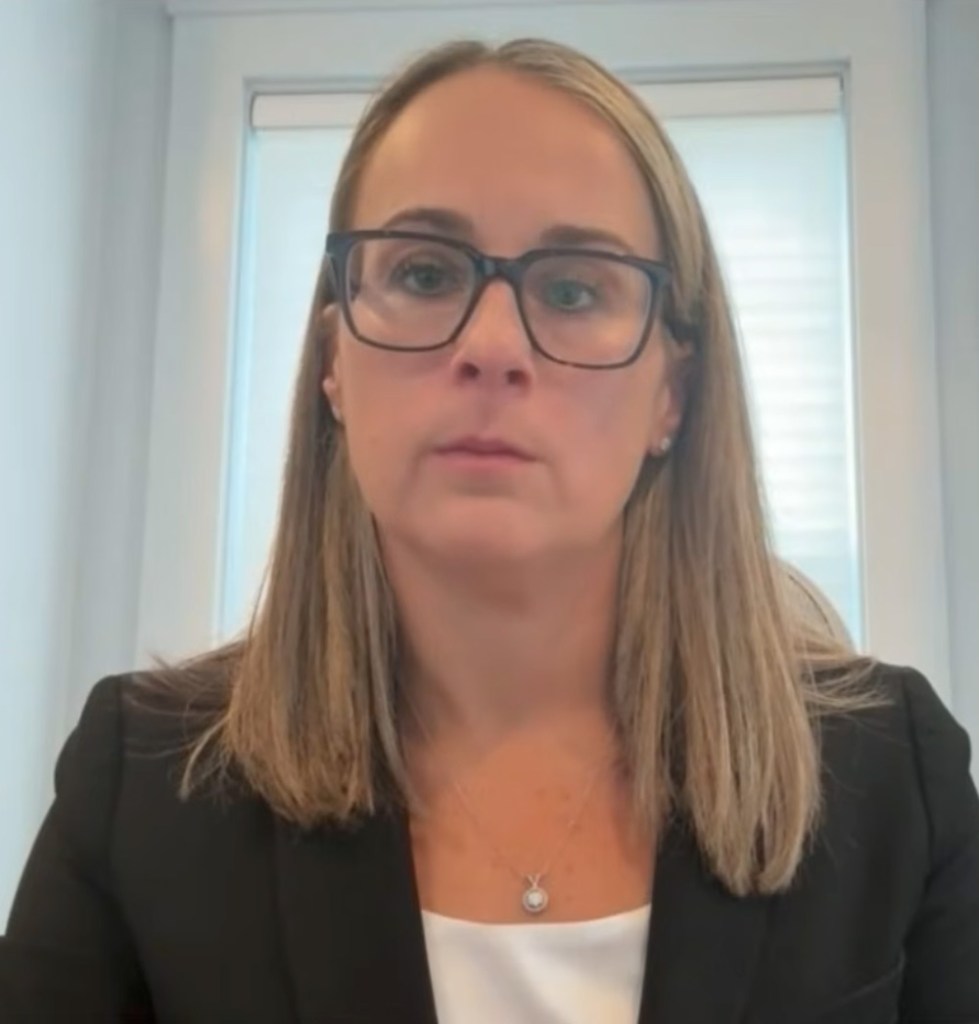
Tara Davis, who represents the Cornell University student, appeared on “The Megyn Kelly Show” and answered directly when Kelly asked whether Lopes denied the sexual encounter with the woman identified as Jane Doe in a civil lawsuit. “No,” Davis replied. When Kelly followed up whether his defense was consent, Davis confirmed that position.
Doe filed a 101-page civil complaint last month in Manhattan Supreme Court naming Lopes and six other then-members of Cornell’s Xi Chapter of the Chi Phi fraternity. The lawsuit alleges sexual assault stemming from an October 19, 2024 night involving drinking, drug use and what began as a consensual threesome at the fraternity house.
Doe’s complaint alleges Lopes entered a room where she was with two other fraternity members, grabbed her away from one man, kissed her, then had sex with her without consent alongside another defendant. Davis pushed back hard against those claims during the podcast interview.
“That’s just not factual,” Davis told Kelly after the host read portions of the allegations on air. “It’s not what was presented in the hearing through any of the testimony or the evidence. It’s just not factual, and it’s just mischaracterized.”
Davis emphasized that Cornell’s own investigation produced roughly 1,500 pages of material, involved approximately 50 witness interviews and stretched across 12-and-a-half days of hearings. She argued this record contained far more detail than reflected in Doe’s civil filing.
Cornell ultimately suspended Lopes and imposed what Davis described as “educational sanctions,” including an essay assignment. She disputed characterizations that writing an essay was his only punishment. “He received a suspension period in addition to some educational sanctions,” Davis said. “One of which included a component involving an essay.” Cornell has stated publicly that its disciplinary process yielded both expulsions and suspensions but has not named individual punishments.

Davis declined to specify which exact policy violations Lopes was found responsible for, noting only that he “was found responsible for some violations of their policy.”
The lawyer also challenged allegations involving ketamine. The lawsuit claims several fraternity members handled or consumed what Doe was told was ketamine, and alleges Lopes was among men who snorted the drug off her body. Davis flatly denied this. “That is not true,” she said on the podcast. She added that she believed Cornell’s hearing panel found Lopes was not involved in ketamine use that night.

Regarding Doe’s condition during the encounter, Davis maintained she was not incapacitated when Lopes had sex with her. “When my client was involved earlier in the evening, at the earlier end of these events, she was not incapacitated as far as we saw through all the testimony, her own testimony, if memory included, as well as the evidence,” Davis said.
Pressed on whether Doe appeared severely intoxicated or impaired to Lopes, Davis continued: “That’s not how she was presenting, and the evidence will show that she was not presenting in a way that would have suggested that she was not aware of what was happening.”

Davis also distanced Lopes from a Chi Phi Snapchat exchange that has fueled public outrage over the case, including one message referencing “free p—y” upstairs. According to Davis, Lopes was not active in the group chat and first saw the messages when investigators showed them during a February 2025 interview. “He was not on there. He was not active in that group,” she said.
The publicity has taken a severe toll, Davis said. Lopes, who has completed his suspension and returned to campus, has seen his name and reputation damaged, with his family also targeted online. Davis noted he now has safety concerns.
None of the seven men face criminal charges currently. However, Tompkins County District Attorney Matthew Van Houten announced Monday that his office was reopening its criminal review and preparing to present evidence to a grand jury.
Davis cautioned against conflating renewed scrutiny with proof of wrongdoing. “There’s a lot more that needs to be considered,” she told Kelly. “I would just, you know, encourage people to be perhaps a bit more open-minded and not immediately jump to conclusions about who did what and who’s guilty or not.”
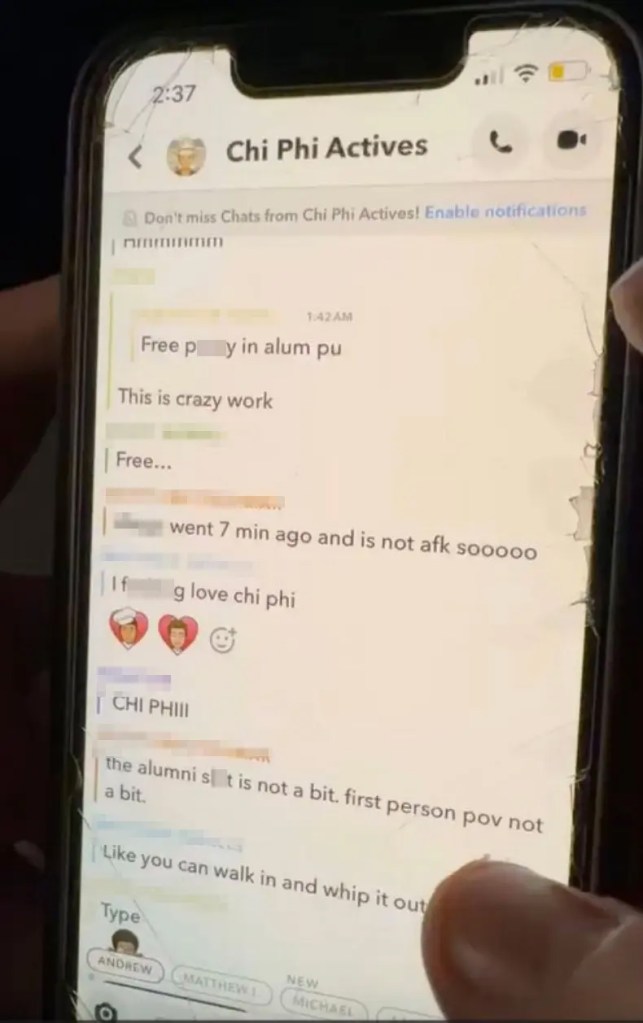
The case erupted into national attention after Doe filed her lawsuit last month, detailing allegations of a night that began with a consensual threesome and devolved into what she describes as sexual assault by multiple fraternity members. The complaint describes drinking, drug use and an environment she says turned predatory. Cornell’s disciplinary process, which Davis noted was extensive, resulted in varying sanctions against multiple students while the university has kept specific outcomes private.
The Post has sought comment from Doe’s lawyers.