

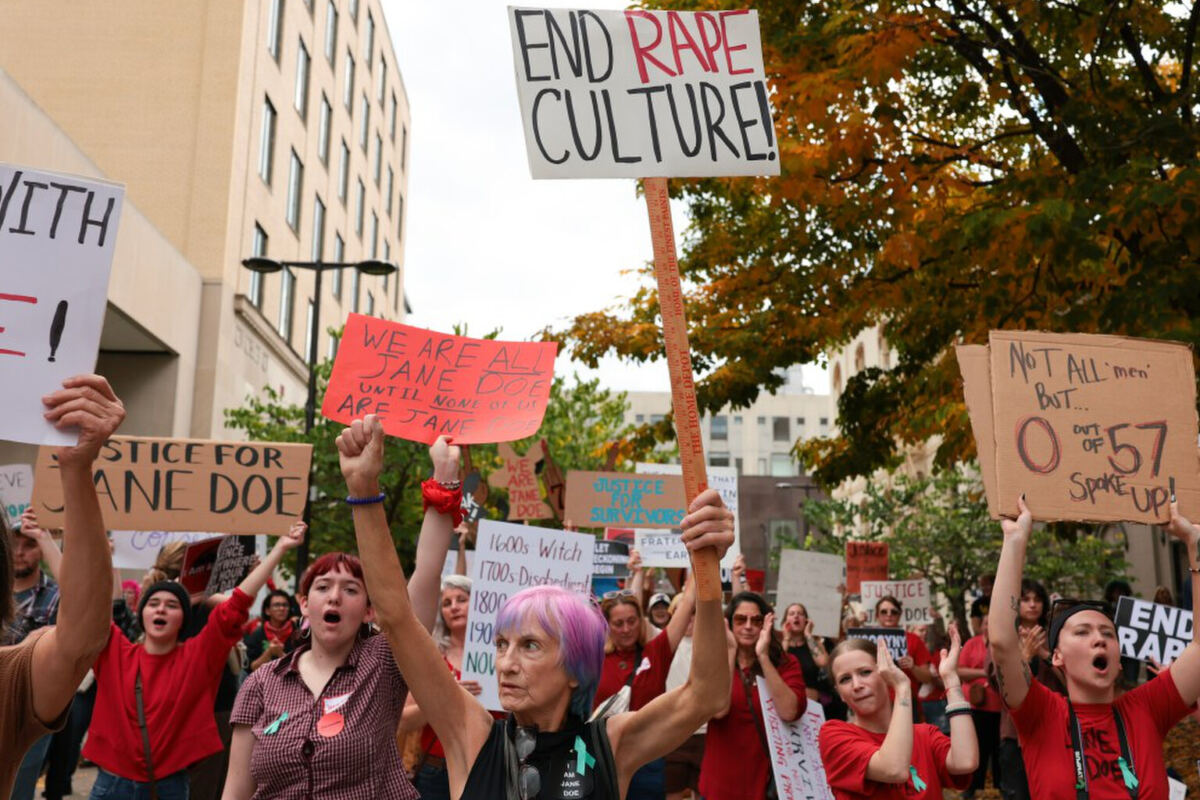
Cornell University faces fresh allegations that it ignored reports of sexual assault involving multiple students and took no action against an accused perpetrator.
The 2023 lawsuit, filed in Tompkins County, was brought by two undergraduate students who say fellow student Esat Braveboy was allowed to continue assaulting others despite repeated warnings to the school. The plaintiffs allege Braveboy committed “drug-facilitated sexual assault, rape and to sodomize students” while Cornell failed to intervene.
According to the filing, the students submitted Title IX complaints, yet the university “continued to allow Braveboy to commit sexual abuse against Plaintiffs and others.” The suit claims institutional inaction created conditions where the abuse could persist across the campus community.
The filing puts a stark number to the scope of alleged harm. “At least five-ten others have been sexually abused by Braveboy on campus and it is believed that many more were abused but have yet to come forward,” the lawsuit states. The document suggests a pattern of behavior affecting potentially up to ten known victims, with additional survivors possibly still unidentified.
The lawsuit was first reported by New York Focus, drawing new attention to Cornell’s handling of sexual misconduct cases. The 2023 filing predates a separate, high-profile case that emerged in September involving anonymous allegations of gang rape at a fraternity house, which has since drawn national scrutiny to the university’s Title IX processes.
The plaintiffs in the Braveboy case contend that Cornell has “long had issues curbing sexual violence on its campus,” framing their experience as part of a broader institutional failure rather than an isolated incident. Their allegations describe a university aware of specific complaints yet choosing not to remove or adequately restrict an accused student from the general student population.
The Tompkins County court filing does not specify what disciplinary steps, if any, Cornell took upon receiving the Title IX reports. The students’ claims center on the gap between their formal complaints and any visible institutional response that would have prevented Braveboy’s continued presence in campus housing and social settings where further contact was possible.
Braveboy’s status at the university and whether he remains enrolled have not been disclosed in available court records. The lawsuit’s allegations span multiple forms of sexual violence, with the drug-facilitation claim indicating premeditation in at least some of the reported incidents.
The emergence of this earlier case complicates Cornell’s public position as it navigates the more recent September gang rape lawsuit, which involves allegations against multiple fraternity members and has been dubbed the “Cornell 7” case in media coverage. That lawsuit describes a 2024 incident at an off-campus fraternity house where a female student reported being drugged and sexually assaulted by several men.
In that separate matter, the plaintiff known as Jane Doe has described being “brutalized” during the alleged attack, with subsequent reporting revealing conflicting accounts from accused students and questions about the university’s investigative timeline. The case has prompted scrutiny of how Cornell coordinates between its own disciplinary processes and local law enforcement.
The Braveboy lawsuit and the September gang rape case now form parallel pressure points on the university’s approach to campus sexual violence. Both filings raise similar questions about whether Title IX complaints at Cornell translate into meaningful protective action for students who report harm.
Cornell has not issued a public statement specifically addressing the 2023 Braveboy lawsuit since its recent surfacing in broader media coverage. The university’s Title IX office procedures and staffing levels have come under examination as students and advocates assess whether reported cases receive timely and thorough investigation.
The Tompkins County filing remains active, with the two undergraduate plaintiffs seeking accountability for both the alleged perpetrator and the institution they say enabled him. Their case underscores how prior complaints, when left unaddressed, can become central evidence in later legal challenges to a school’s compliance with federal anti-discrimination requirements.
Federal Title IX regulations require schools to respond meaningfully to reports of sexual harassment and assault, with failure to do so potentially exposing institutions to civil liability. The plaintiffs’ allegations that Cornell “did nothing to investigate” strike at the core obligation imposed on universities receiving federal education funding.