

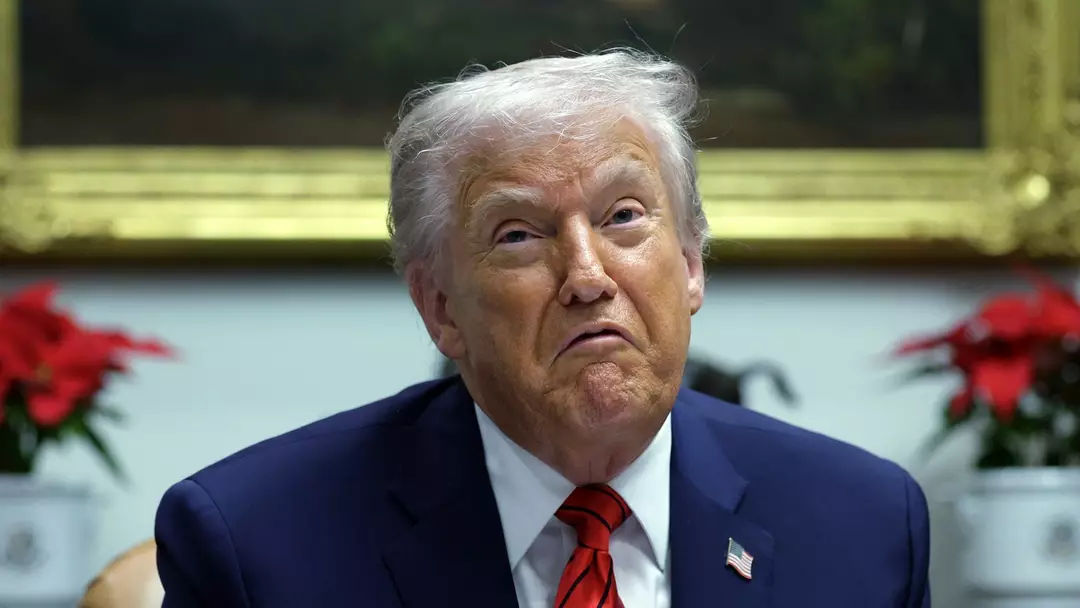
Donald Trump has expanded travel bans, affecting a total of 39 countries.
While Trump has consistently signaled intentions to tighten travel and immigration controls, the shooting in Washington DC on November 26 provided an opportunity to further these measures.
Tragically, a National Guard member lost their life in the incident, and another guard was severely injured but has recently been released from the hospital.
In response to the attack, the Trump administration announced travel bans on 19 countries, including: Afghanistan, Burma (Myanmar), Chad, the Republic of the Congo, Equatorial Guinea, Eritrea, Haiti, Iran, Libya, Somalia, Sudan, Yemen, Burundi, Cuba, Laos, Sierra Leone, Togo, Turkmenistan, and Venezuela.
Following the announcement, US Secretary of Homeland Security Kristi Noem shared that she advised the president to restrict citizens from “every damn country that’s been flooding our nation with killers, leeches, and entitlement junkies,” a stance that appears to have been adopted.

The travel ban imposes visa restrictions on nationals from these specified countries.
Previously, Trump had initiated a ban on 12 ‘high-risk’ countries in June, which was later expanded to 19.
A new proclamation signed by Trump on December 16 suspends both immigrant and non-immigrant visa issuances for people from the specified 19 countries, according to Fragomen Immigration Firm. This policy will be effective from January 1, 2026.
For countries facing partial bans, the new proclamation suspends immigrant visa issuance and nonimmigrant visa issuance in the B, F, M, and J visa categories for temporary visitors, students, and exchange visitors.
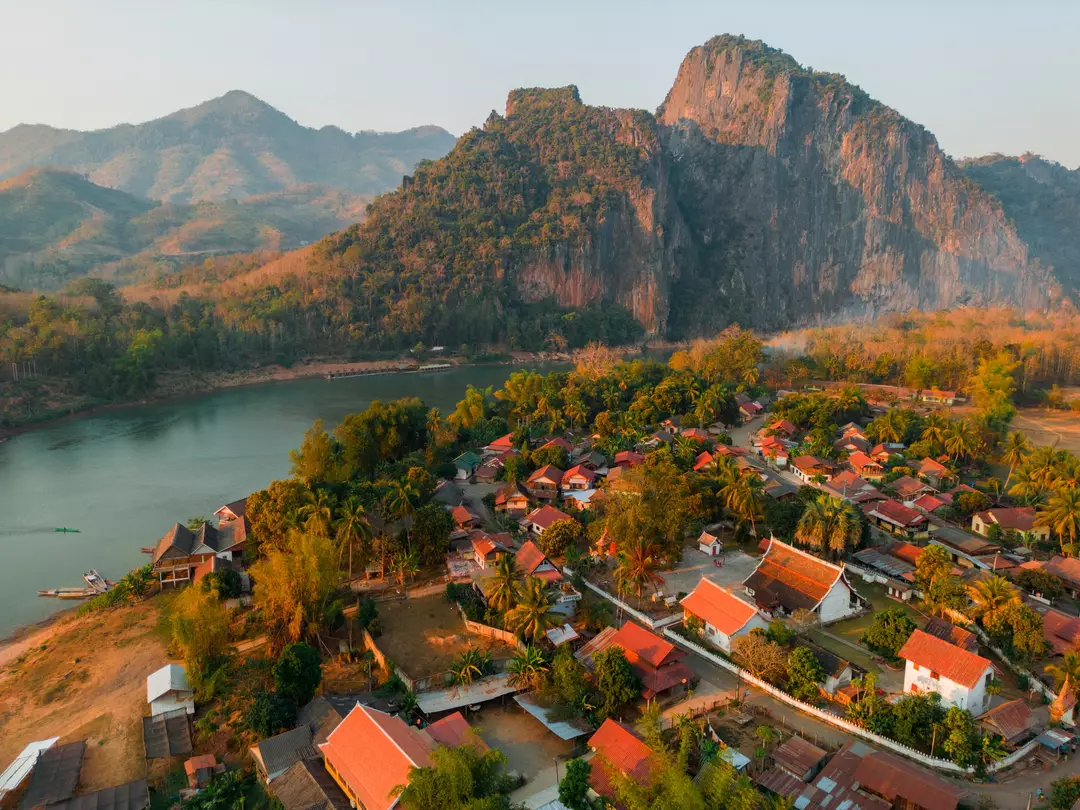
Seven countries have been newly added to Trump’s full travel ban, including: Laos, Sierra Leone, Burkina Faso, Mali, Niger, South Sudan, and Syria.
Previously, Laos and Sierra Leone were under partial restrictions, but now face full bans due to the new proclamation.
Fifteen additional countries will face partial bans, including: Angola, Antigua and Barbuda, Benin, Cote d’Ivoire, Dominica, Gabon, The Gambia, Malawi, Mauritania, Nigeria, Senegal, Tanzania, Tonga, Zambia, and Zimbabwe.
The proclamation does allow for exceptions, including lawful permanent residents, existing visa holders, certain visa categories such as athletes and diplomats, and individuals entering for US national interests.
According to a White House press release, the administration argues that these restrictions are “necessary to prevent the entry of foreign nationals about whom the United States lacks sufficient information to assess the risks they pose, garner cooperation from foreign governments, enforce our immigration laws, and advance other important foreign policy, national security, and counterterrorism objectives.”
“It is the president’s duty to take action to ensure that those seeking to enter our country will not harm the American people,” the statement adds.