

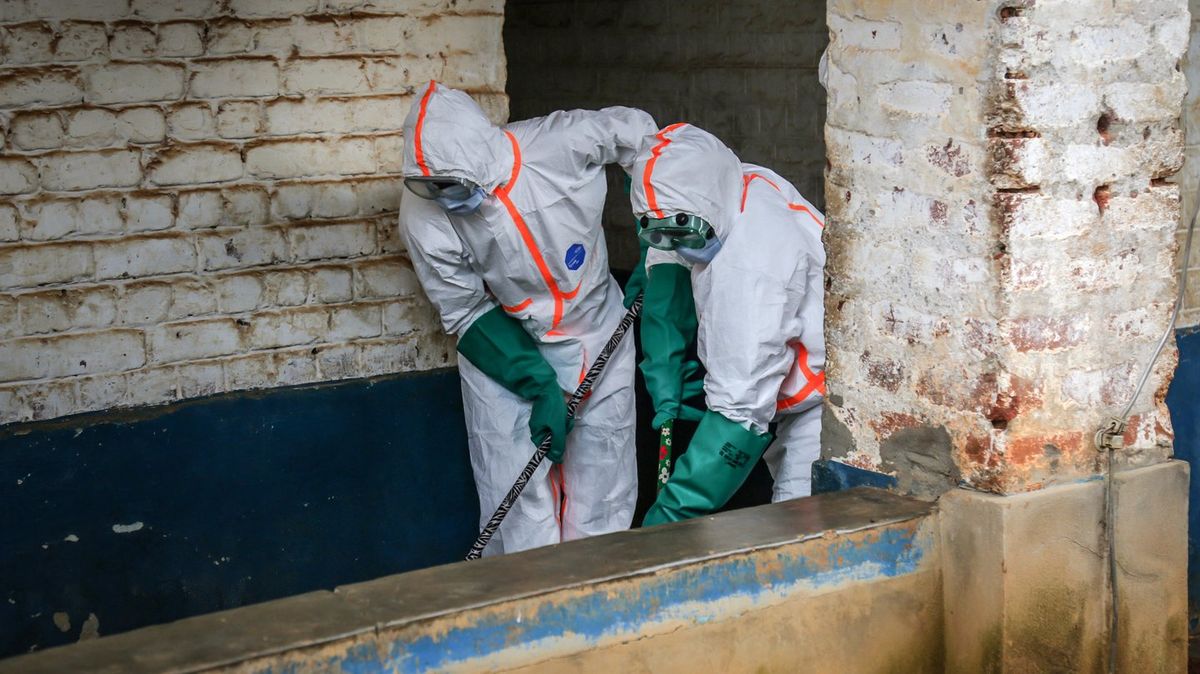
Experts are warning the current Ebola outbreak could become significantly more deadly, saying “the warning signs are flashing red” as reports of suspected cases emerge beyond its epicentre.
A humanitarian aid group is urging faster action to contain the outbreak, which the World Health Organization (WHO) announced in the Democratic Republic of the Congo (DRC) on May 17.
The International Rescue Committee (IRC) has argued that the response is starting from a weaker position than during the 2018-2020 crisis, which claimed more than 2,000 lives, stating that ‘we have fewer resources’ available this time.
‘Increased conflict and cuts to global aid funding have dismantled defenses at exactly the wrong moment,’ said Bob Kitchen, the IRC’s vice president of emergencies in a press release.
He added: “The lesson from every previous outbreak is clear: delays cost lives.”
Despite containment efforts, there are growing concerns that transmission is accelerating rather than slowing.
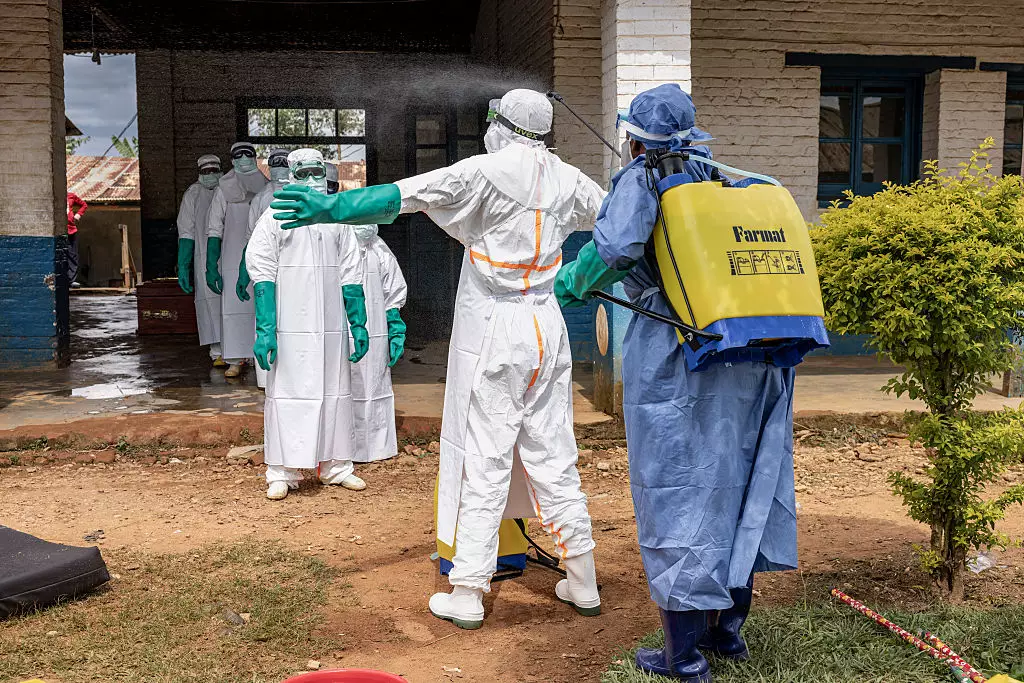
The WHO has cautioned that the virus is moving through eastern areas of the DRC more quickly than frontline teams can investigate and respond.
Authorities have also logged two suspected cases in Uganda, along with one suspected death in the capital, Kampala.
While confirmed infections are currently limited to the DRC, the Red Cross has warned that ten other countries on the continent could be vulnerable if the outbreak is not brought under control.
Those identified as at risk are Rwanda, Kenya, Tanzania, Angola, Burundi, the Central African Republic, the Republic of Congo, Ethiopia, South Sudan and Zambia.
Addressing journalists, WHO director-general Tedros Adhanom Ghebreyesus said: “At the moment, the epidemic is outpacing us.”
Although the full extent of cases is still being assessed, the situation has been classified as a pandemic emergency — the highest level of alert since 2024.
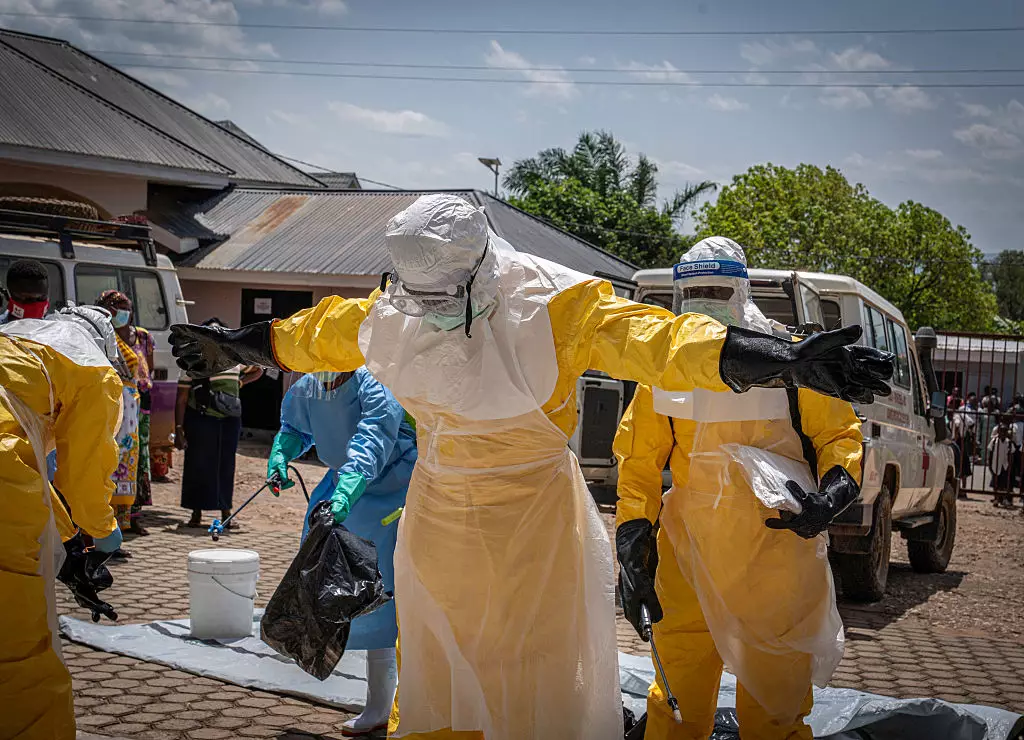
The outbreak involves the Bundibugyo strain, which has been associated with fatality rates ranging from 21 percent to 50 percent. Symptoms may include fever, weakness, diarrhoea, vomiting and, in some cases, bleeding.
There is no cure at present, and the virus can spread through contact with bodily fluids including sweat, blood, faeces and vomit.
Researchers at Oxford University are working at pace on a vaccine candidate that could be deployed if the situation worsens.
However, aid agencies say resources are only one part of the challenge. ActionAid reports that misinformation and mistrust are undermining public health messaging, claiming that only one in three people in the DRC believe Ebola is real.
Ngone Ngobba Jean Claude, who lives in the DRC, told ActionAid: “Some call it a satanic disease, while others believe it was invented to make money. Others say that doctors are lying, while others believe that taking strong alcoholic drinks makes them immune.”