

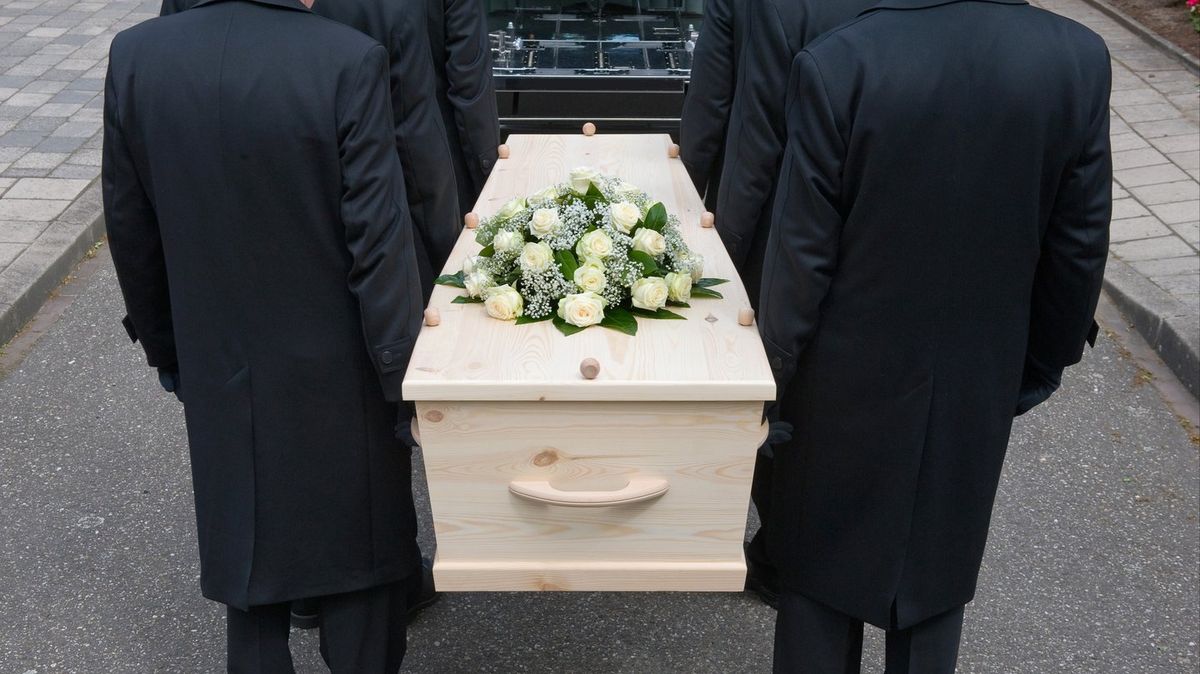
Have you ever considered what you’d want to happen to your body after you die?
For most people, the usual options are still burial or cremation.
If it were up to me, I’d go for a full Viking-style send-off — the kind you see on screen, where the body is pushed out to sea and a flaming arrow turns the whole thing into a fireball. It’s essentially cremation, just with extra spectacle.
In Scotland, though, a different alternative could soon be added to the list: “water cremation”.
This method has earned the nickname “boil in the bag funeral” and uses hydrolysis — a chemical process that relies on water, heat and an alkaline solution. The body is placed into a sealed chamber, similar in concept to the equipment used for cremation.
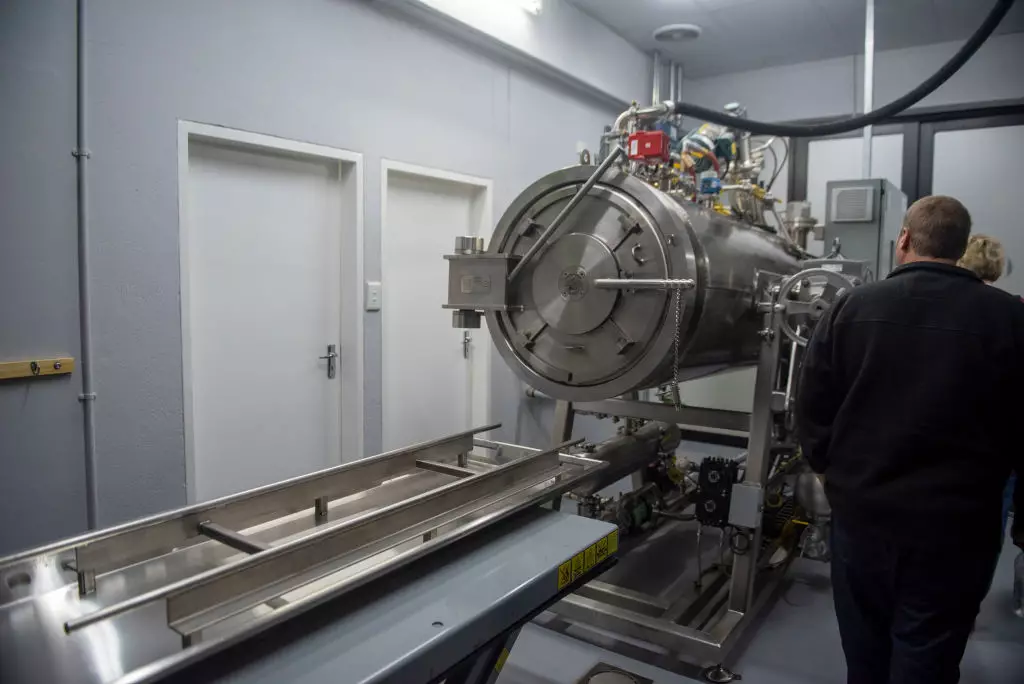
Supporters say one key advantage is environmental impact: it uses far less energy than standard cremation, which can require temperatures reaching around 1,800°F.
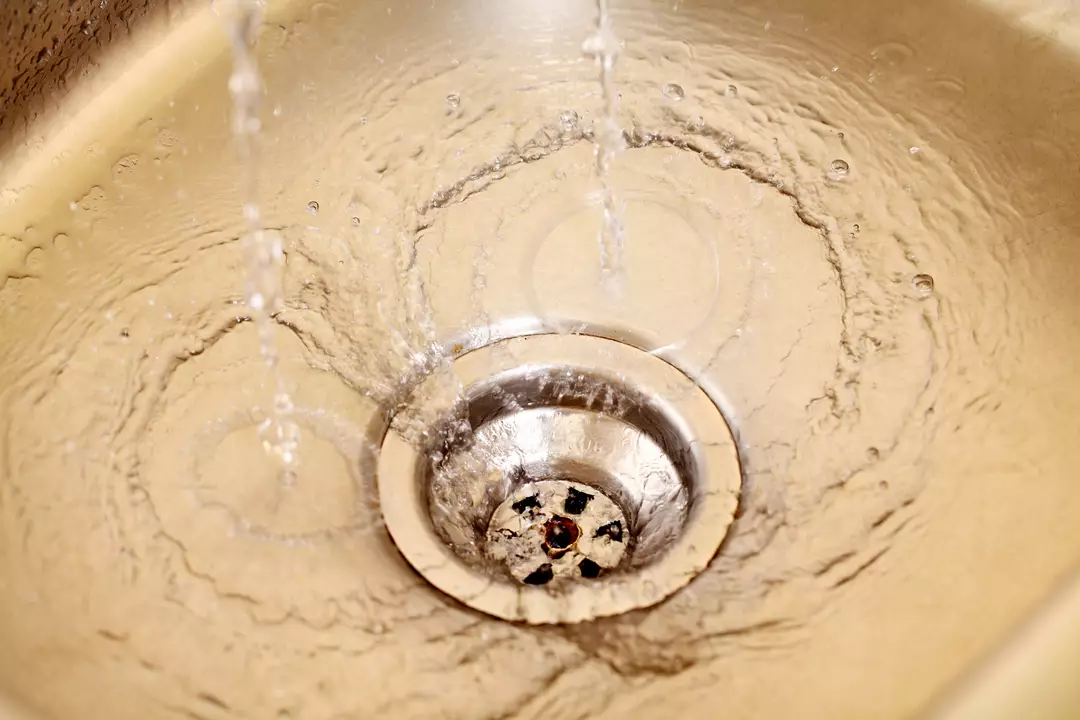
After the process, the remains are left in a liquid form — which, in principle, can be disposed of via the drain. Any solid material that’s left, such as bones and teeth, can then be processed down into an ash-like powder for relatives to keep.
According to The Times, water cremations could be offered in Scotland as soon as next year.
Andrew Purves, a director at Edinburgh-based William Purves funeral directors, told the publication how it works.
“Hydrolysis uses a solution used to speed up natural processes, which the body would go through, and allows the body to remove back to its natural elements,” he shared.
“The body is placed in a chamber, similar to a cremation, and the process would then take around three hours. At the end you are left with the bones of the person similar to cremation. A further process can then be conducted, which results in a white powder similar to ash.”
Andrew continued: “This can then be scattered by a family if they wish, similar to ashes being scattered following cremation, or they can be buried at a cemetery.”
While the approach would be a first for Scotland, it isn’t entirely new elsewhere. Water cremation is already offered in places including the Republic of Ireland, South Africa, Canada, and in certain US states.