

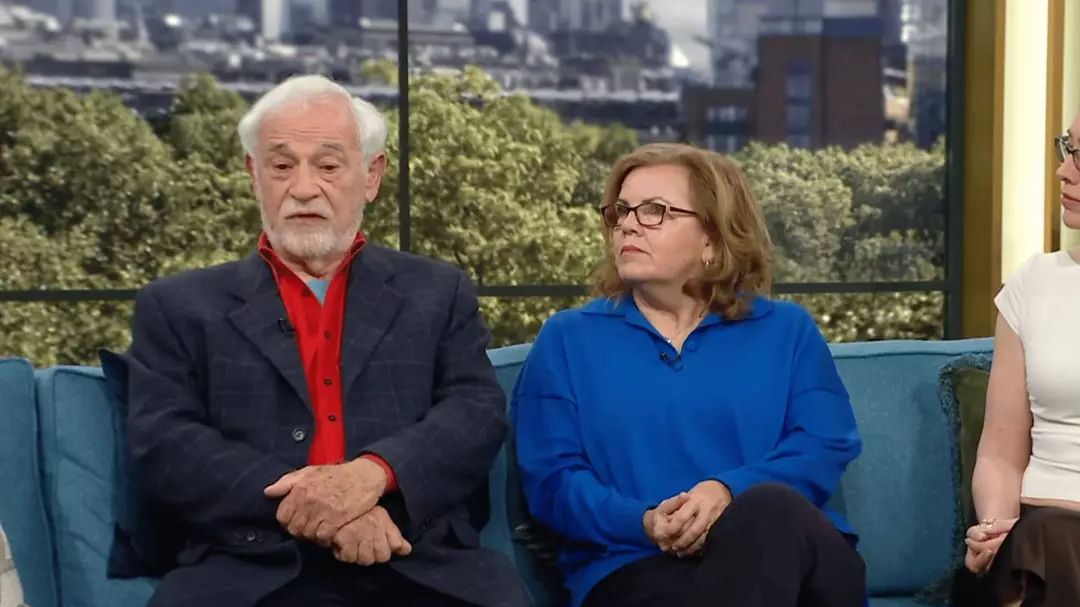
An older British couple has decided to donate their bodies to science after they pass away, driven by a straightforward motivation.
Peter and Jane Dick, a couple from Britain, have expressed their wish to contribute to the scientific community after their deaths.
During their appearance on the UK morning TV show, This Morning, on February 3, they discussed their reasons for choosing this path over a traditional burial.
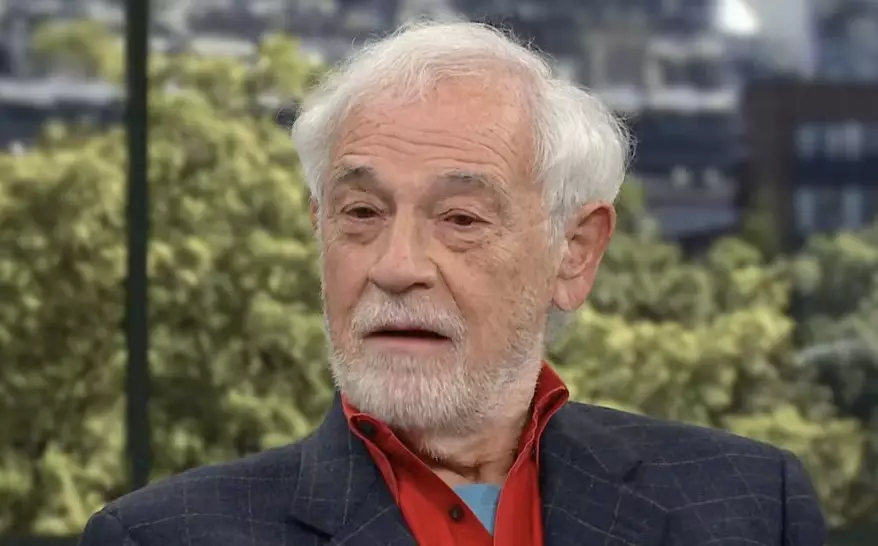
Peter remarked, “Sadly some of my friends think I am a lunatic but the reality is some people in my age group are starting to think about it.
“I have had the benefit of the medical world solving both bowel cancer and prostate cancer so having realized what an amazing world doctors are I wanted to do something to train the next lot.”
They are also conscious of the rising costs associated with funerals, as host Ben Shephard pointed out, the average expense has climbed to over £4,000.
By opting to donate their bodies for scientific purposes, they could potentially bypass these expenses after their passing.
Initially hesitant about the concept, Jane later embraced it.
She explained: “When I thought about it, I saw it as a completely rational decision. We are all going to die at some point.
“My feeling is if your body can be of you, for training the next generation of doctors, then that is a positive outcome you can take from somebody sadly passing away.”
Peter acknowledged that his decision to donate wasn’t solely driven by altruism.
He mentioned that the money saved from not needing a funeral allowed him to make a significant purchase.
After prompting from the host, he humorously questioned whether he could reveal what he bought.
He stated: “Saving money is always a good idea but in the reality of my case, I wanted to complete the circle, having being a beneficiary of the medical world.
“…Yes I did want a big television, It is only a 60 inch, it is wonderful.”
Despite their intentions, the donation isn’t certain, as medical schools may decline bodies based on medical conditions.
Their decision has been commended on social media, with many appreciating their potential contribution to science.
One YouTube user commented: “I think this is a great idea. I would do it! I have a terminal cancer that is rare.
“I would be very proud to know that there is a possibility of helping the survivors of this particularly cancer finding a cure quicker.”
Another simply added: “This is amazing.”