

Europe’s summer drought has become so severe that the continent’s shrinking rivers can now be seen from space, as major waterways fall to historic lows and disrupt everything from transport to tourism.
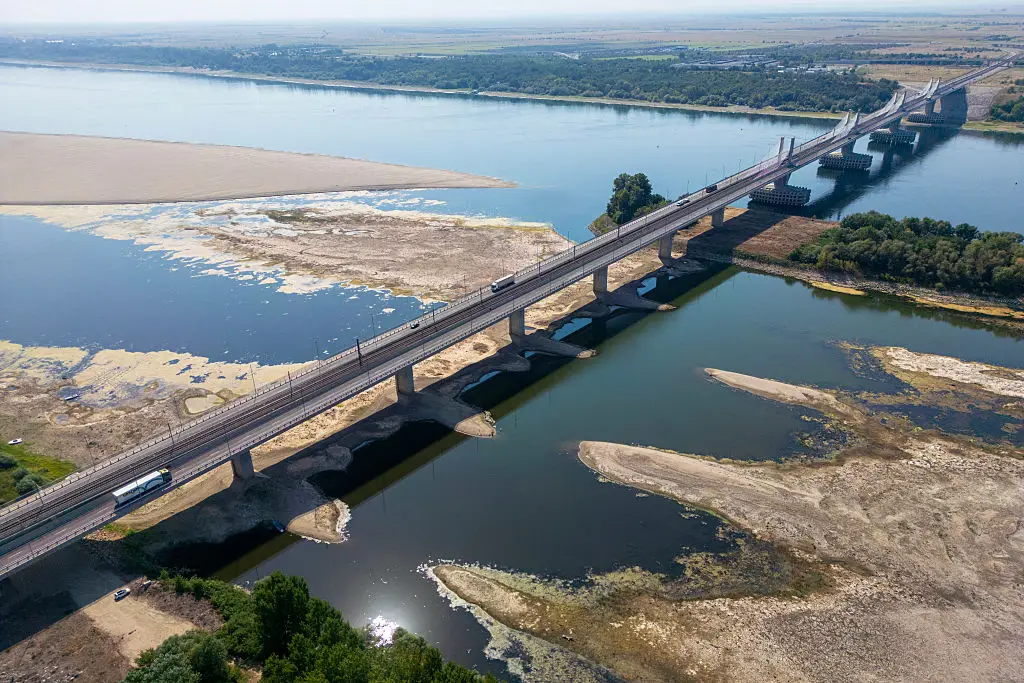
Reports said that a prolonged spell of extreme heat, combined with scarce rainfall, has driven rivers such as the Danube and the Rhine down to levels not seen in decades. Sandbanks and wide sections of riverbank that are usually submerged have now been laid bare. According to the European Union’s Global Drought Observatory, Europe is experiencing what may be its worst drought in at least 500 years, with nearly two-thirds of the continent under drought warning or alert conditions.
The Danube, which passes through 10 nations before emptying into the Black Sea, is among the hardest-hit waterways.
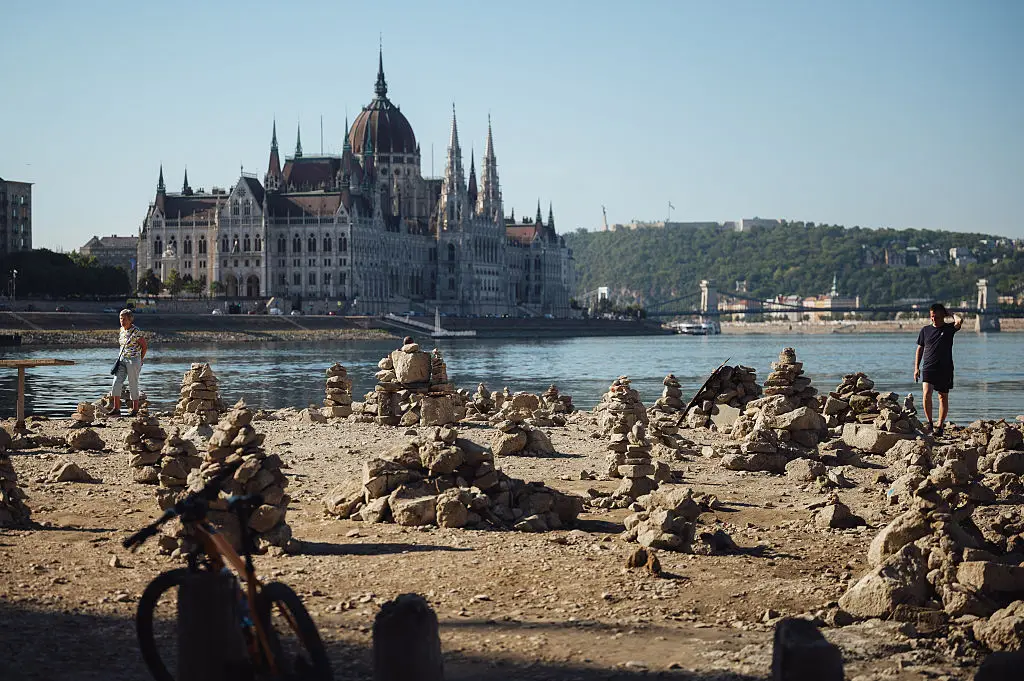
In Budapest, water levels reportedly dropped to only 4 inches on Monday, breaking the previous record low of 13 inches that was set in 2018.
With forecasts showing temperatures heading into the triple digits later this week, authorities are concerned the situation may deteriorate further before any relief arrives.
Climate experts say the underlying cause is Europe’s unusually rapid warming, which is outpacing every other region on Earth. Successive heat waves have dried soils and drained rivers, while meaningful rainfall has largely failed to materialize.
University of Reading climate science professor Richard Allan warned that ‘the hydrological extremes we are now experiencing will only be the tip of the iceberg’ as the climate continues to warm.
The Danube’s decline has already created serious energy problems in Hungary. The Paks nuclear power plant, which supplies close to half of the country’s electricity, is reportedly operating at just 10 percent capacity after low water levels forced most reactors out of service.
Romania is also dealing with energy pressure, with its navy using explosives to break through rock in an attempt to redirect Danube water toward the country’s only operational nuclear reactor. Elsewhere in Europe, reduced water availability has strained hydropower generation, with summer crop yields substantially reduced. Grain yields are down 16 percent below the five-year average, while soybean and sunflower yields have fallen 15 and 12 percent respectively.
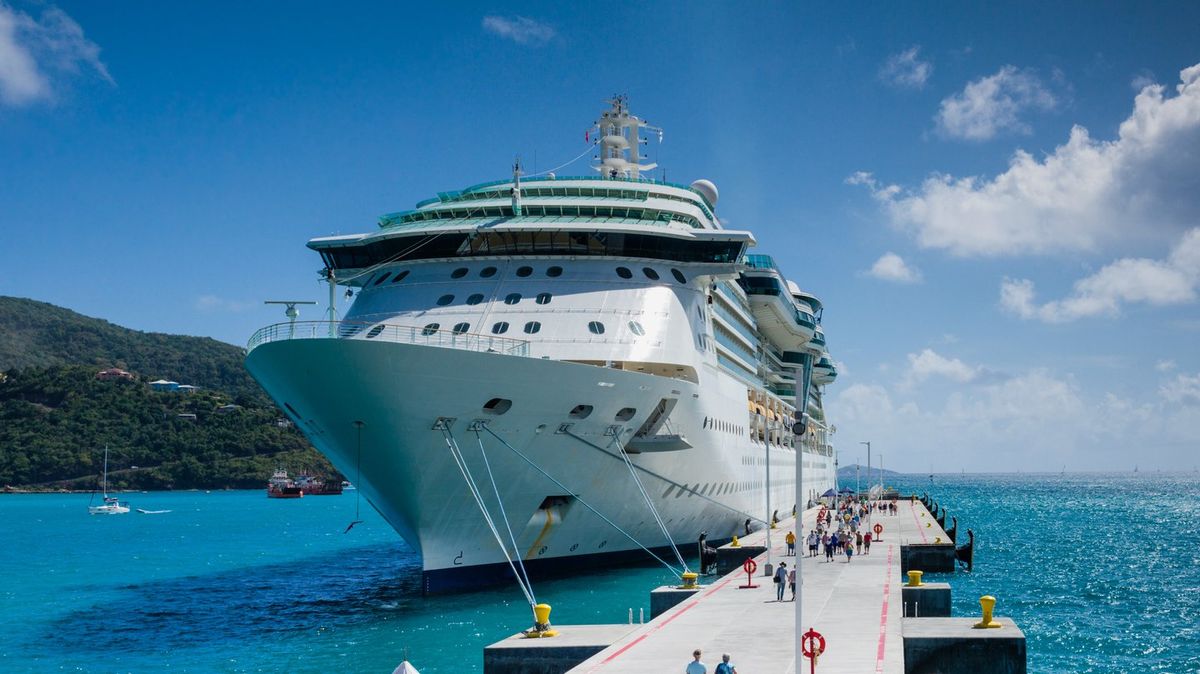
The disruption is not limited to energy infrastructure. Holidaymakers taking river cruises are also seeing itineraries thrown into disarray.
The Independent says operators such as Uniworld, Viking and TravelMarvel have had to alter boarding locations, scrap excursions and reroute voyages in order to keep schedules moving. Uniworld’s president and chief executive Ellen Bettridge said that the company has been compelled to cancel seven percent of its cruises, though the line expanded into luxury train travel last year, introducing itineraries that combine river cruising with land-based portions to address the challenges of changing weather patterns.
Cruise Critic executive editor Chris Gray Faust said she saw the disruption herself during a Uniworld trip that had been scheduled to travel from Vienna to Nuremberg.
Because of the shallow water, the vessel was unable to continue beyond Vilshofen, removing three planned stops from the route.
Travelers who were supposed to return home from Nuremberg had to leave the ship a full day earlier, spend the night in a hotel and then continue on to the airport by transfer.
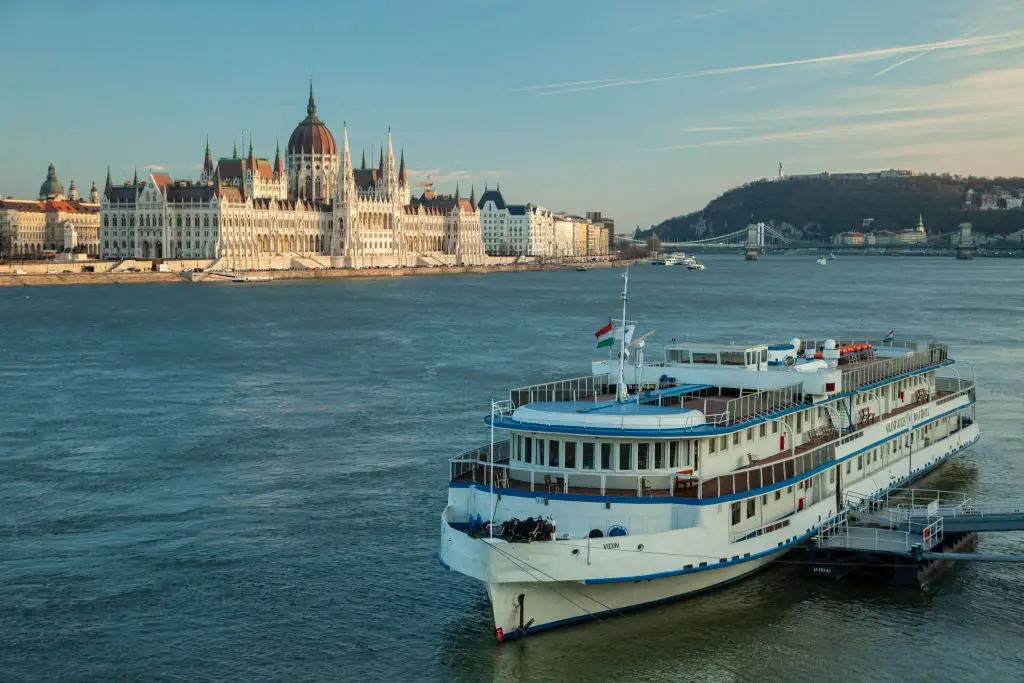
Travel specialist Emma Guse said some of her customers were unable to board in Budapest as expected and instead had to join their ship around 60 miles away.
Strikingly, the drought has also revealed long-hidden remnants of the past.
In Serbia, numerous German World War II warships that had been underwater have re-emerged near the port town of Prahovo, including over 20 sunken vessels from Nazi Germany’s Black Sea fleet that were deliberately scuttled in 1944 during their retreat from advancing Soviet forces. Many of these wrecks still contain tonnes of ammunition and explosives, posing dangers to shipping. Local historian Velimir Trajilovic warned that “the German flotilla has left behind a big ecological disaster that threatens us, the people of Prahovo.” In northern Bulgaria, remains believed to belong to an ancient woolly mammoth, including a jawbone, tusks, a shoulder blade, and a femur, were reportedly found last week near the city of Ruse.
Low water is also thought to have contributed to one cruise ship running aground on a sandbank in Bulgaria.
The Rhine is facing similar pressure. At Kaub in western Germany, a critical shipping chokepoint, the river reportedly fell to 9 inches, narrowly surpassing the previous record low.
To avoid becoming stranded, cargo vessels have been forced to reduce loads by up to 80 percent. Chemical company Lanxess has also shifted some transport to rail and road after certain river loading points became inaccessible.