

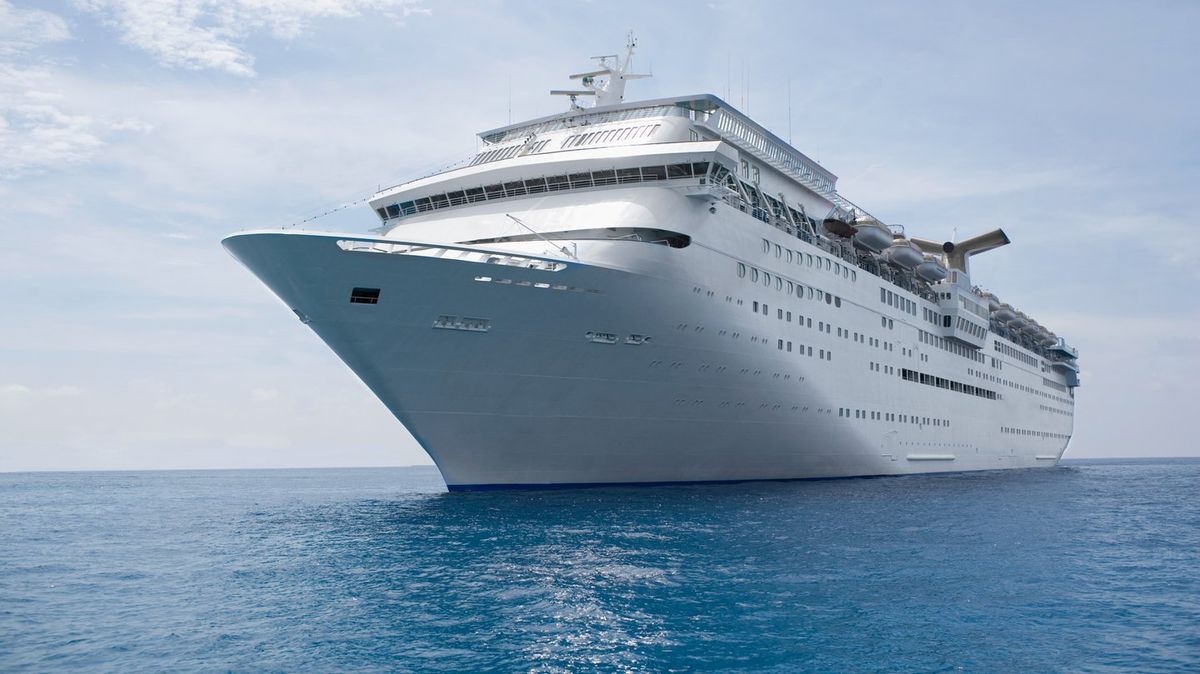
A doctor has revealed what they call the ‘bread and butter’ illness that takes over most of their cases on cruise ships.
A cruise holiday is supposed to be all about switching off and enjoying the journey, but one ship’s physician says illness is far from rare at sea.
After spending significant time working onboard, the doctor turned to Reddit to share what the job is really like, including the types of medical issues that show up most often and the unique hurdles that come with treating patients on a vessel.
Posting in the r/AMA [Ask Me Anything] subreddit, they invited users to ask whatever they wanted about health problems that crop up on cruises.
They wrote: “I have been a physician on a cruise ship for about a year now. I completed my residency in internal medicine, fellowship in critical care, and worked as an intensivist for around 3 years but wanted a lifestyle change.”
After describing the TV series Dr Odyssey as ‘very dramatized’, they said they were happy to answer questions—just not about the specific cruise line they work for.

People were quick to ask about everything from minor ailments to medical emergencies, but the most upvoted query focused on problems beyond the obvious culprits like too much alcohol or feeling queasy from the waves.
They asked: “Besides motion sickness and alcohol related issues, what’s another common nautical issue you come across that is land dwellers may not think about?”
The doctor explained that a large portion of cases are tied to food—either eating too much or eating something that doesn’t sit well—which they described as their most frequent, day-to-day workload.
To this, they said they ‘see a lot related to overeating or eating something that didn’t “agree” with them’, which they call their ‘bread and butter cases’.
They added that these complaints often include ‘indigestion, GERD flare ups, foodborne illness,’ and similar issues.
In short, the gastrointestinal system accounts for a significant share of what they treat onboard.

They also responded to a question about the most extreme incident they’d dealt with while at sea, describing a situation that quickly became critical.
While it was also connected to the digestive tract, it was far more dangerous than routine stomach complaints.
They responded that it was a ‘Cirrhotic GI bleed,’ as they elaborated on the tense moment: “Patient came in complaining of black blood in his stool, ran a CBC and found out he was severely anemic, needed a blood transfusion and probably would’ve died without it. The problem was we don’t carry blood products on the ship, so I had to look through medical records of the crew and luckily someone had a compatible blood type.”
A separate question shifted away from typical GI illness, though it still concerned the end of the digestive tract.
When asked about how often patients show up claiming they “fell” onto an object, the doctor said it’s more common than you might expect—and stressed they weren’t there to shame anyone.
When asked how many people come to them after ‘falling’ on a shampoo bottle, they claimed ‘no judgment’, stating: “I do see a lot of ‘accidental’ rectal foreign bodies. But hey, no judgment here.”